 It’s a simple concept. Position yourself at the southernmost point in the continental United States then drive to the northernmost point in the U.S. accessible by road. The former is Key West, Florida. Deadhorse, Alaska, is the latter. The two are separated by a little over 4,000 miles as an extremely hardy all-weather crow might fly. Limited to traveling on the earth’s surface, Tom Cotter and Michael Alan Ross clocked 8,881 miles in making the connection. The difference is easily justified. Tom and Michael had more fun than any crow could even dream of.
Tom Cotter is best known as The Barn Find Hunter from the numerous books and videos he has produced about automotive treasures found in barns and the like. He is also a road-tripper whose adventures include a cross-country Model T drive documented in a book I reviewed here. Michael Alan Ross is a very successful automotive photographer whose work filled that Model T book. On that Model T drive, MAR, as he is commonly known, drove a chase vehicle. This time he and Cotter share the driving and space in the small camper they tow.
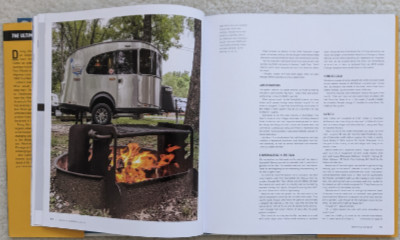 That camper was a new Basecamp 16X on loan from Airstream. The tow vehicle was a 2021 Bronco Outer Banks on loan from Ford. As Cotter tells it, he got the Bronco by telling Ford that Airstream had promised him a camper and he got the camper by telling Airstream that Ford had promised a Bronco.
Very early in the trip, the travelers broke one of the few guidelines they had established by jumping on I-75 while still in southern Florida. This is at odds with the “backroad USA” called out in the subtitle and Cotter readily admits that it is “cheating”. But it is understandable. With everything that lay ahead of them, there was a natural urge to leave the familiar behind and get on with the exotic. Before leaving Florida, they returned to the planned program by leaving the interstate for US 27.
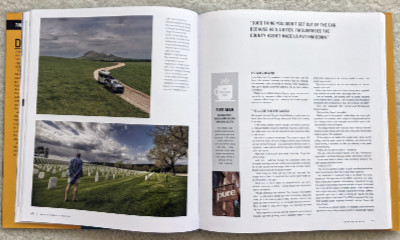 They clipped a corner of Georgia, then crossed Alabama (with a stop in Muscle Shoals) before turning north in Louisiana to reach Tennessee. They entered Missouri via the bootheel and maintained a west-by-northwest course through that state and Kansas with appropriate adjustments to take in the big ball of twine in Cawker City. Then it was a little more directly north through Nebraska and the Dakotas with a Memorial Day pause at the Black Hills National Cemetery in South Dakota. There was a different sort of pause at the North Dakota line. Despite all of Cotter’s past travels, he had, at this point, visited just forty-nine states. North Dakota was number fifty.
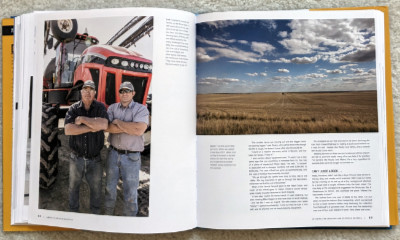 North of Bismarck, Cotter and MAR picked up US 2 and headed west. That might not be the most direct route to Alaska but there were friends near Seattle and, as any good road-tripper knows, anything can be “on the way” if you look at it just right. Hitting Glacier National Park and the Going-to-the-Sun Road might have also been a factor in route selection but the scenic road was not yet open for the summer when they arrived. There was, of course, plenty of great scenery even without Going-to-the-Sun, and plenty of interesting people, too.
Cotter and MAR both had friends in the Seattle area but swapping hellos was not the only reason for making that a target. The two travelers had planned for a month-long break in the middle of the trip to attend to their day jobs and visit family. The Bronco and Airstream would be left with friends while they flew home and back.
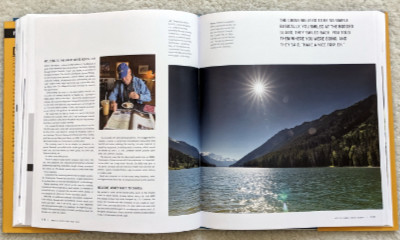 With the break out of the way, it was time to enter Canada and head for the beginning of the Alaska Highway in Dawson Creek, British Columbia. Cotter had a recent (but not quite current) edition of The Milepost with him. The Milepost is published annually and is close to indispensable for anyone traveling the Alaska Highway. That road is its primary focus and its initial reason for being but it now not only covers the Alaska Highway but just about every path for getting to and from it. That includes coming from Vancouver which is what Cotter and MAR were doing.
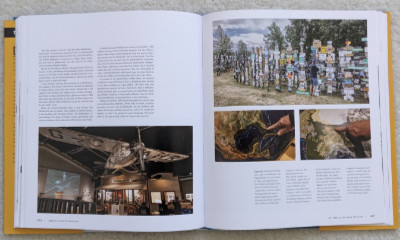 British Columbia and the Yukon Territory contain the bulk of the Alaska Highway with only the northernmost two hundred miles or so being in Alaska. Cotter reports that any pride associated with returning to the U.S. was short-lived and declares this “absolutely the worst roads” they had driven so far. The Alaska Highway officially ends at Delta Junction but Fairbanks is easily reached on what is sometimes seen as an extension, the Richardson Highway.
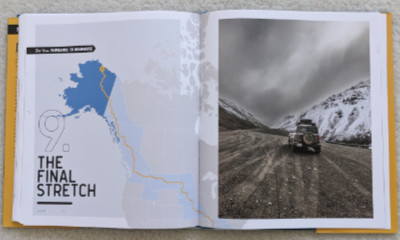 The Airstream was left with a cousin while Cotter and MAR tackled the final stretch to Deadhorse in the Bronco. Several aspects of this trip reminded me of my own 2016 drive to Alaska but perhaps none so much as the mention of “a mandatory pit stop at the Hilltop Restaurant north of Fairbanks”. Even though I did not drive north of Fairbanks on my own but used a commercial tour company to visit the Arctic Circle, we had breakfast at the Hilltop before hitting the Dalton Highway.
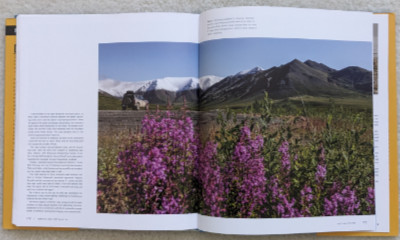 My visit to the Arctic Circle had been a one-day there-and-back affair. Cotter and Mar spent a night on the Dalton Highway in Wiseman and two nights at the end of the road in Deadhorse. Just reaching the end of the road would be enough for most people but Cotter went above and beyond by joining the Arctic Polar Bear Club with a dip in the 40°F Prudhoe Bay to bookend his dip in the “warmer than my morning shower” water at the start of the trip in Key West.
Looking back over what I’ve written, it seems I’ve been reviewing the trip rather than the book. Maybe there is at least a sense of it in the included thumbnail images. It has lots of MAR’s wonderful photos. The thumbnails offer hints of these although they don’t show that they are printed on heavyweight glossy paper which helps them look their best. Cotter’s words augment the photos (or vice versa) with details of the trip I have more or less summarized. Those words are at their best when telling about encounters with others. Some are people living along the route while others just happen to be traveling a piece of it at the same instant Cotter and MAR pass by. The ratio of the two sort of reverses itself as the trip progresses. Residents — some permanent and some temporary — outnumber people actually in motion during the early portions of the trip but the situation is pretty much the opposite once the Dalton Highway is reached.
Some percentage of interesting people exists among both residents and travelers just about everywhere. Cotter manages to find them on a regular basis but he suggests that the percentage may increase toward the end of the trip. “Boring people generally don’t travel to Alaska’s outback,” he observes. I guess that means his job got easier the farther they traveled.
America’s Greatest Road Trip!: Key West to Deadhorse: 9000 Miles Across Backroad USA, Tom Cotter and Michael Alan Ross, Motorbooks (September 19, 2023), 9.45 x 10.71 inches, 192 pages, ISBN 978-0760381069
Available through Amazon.

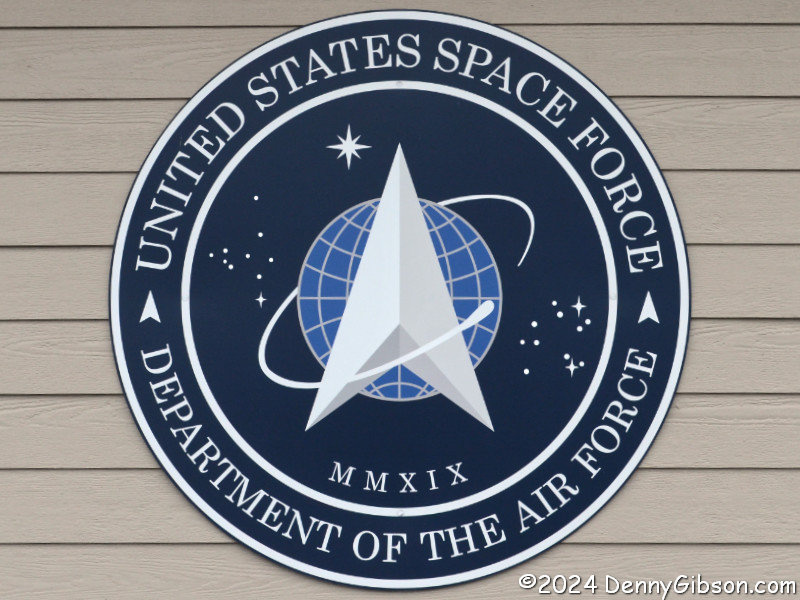
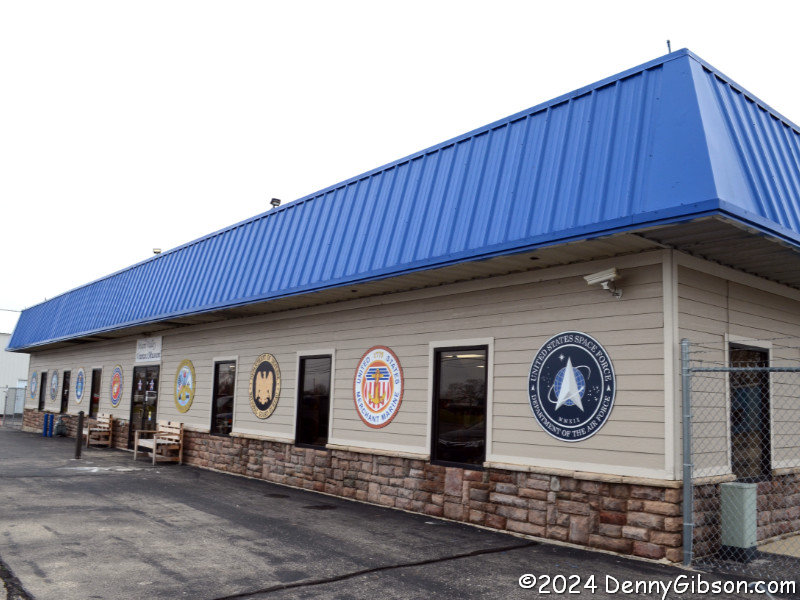 It was during September’s Waco Aircraft Company centennial that I first became aware of the Miami Valley Veterans Museum sitting about a hundred yards south of Historic WACO Field. My friend Terry and I attended the centennial and have talked ever since about visiting the museum. We finally got it done on Thursday. I was surprised to see a dozen or so cars in the lot when I arrived a little ahead of Terry and a little ahead of the museum’s 10:00 opening. I initially thought I might have the opening time wrong but soon realized that the cars that beat me there belonged to volunteers taking care of things inside. This place clearly has a dedicated and energetic crew. During my brief wait, I snapped the picture at right and noted that the building’s signage included the first USSF insignia I had seen in the wild.
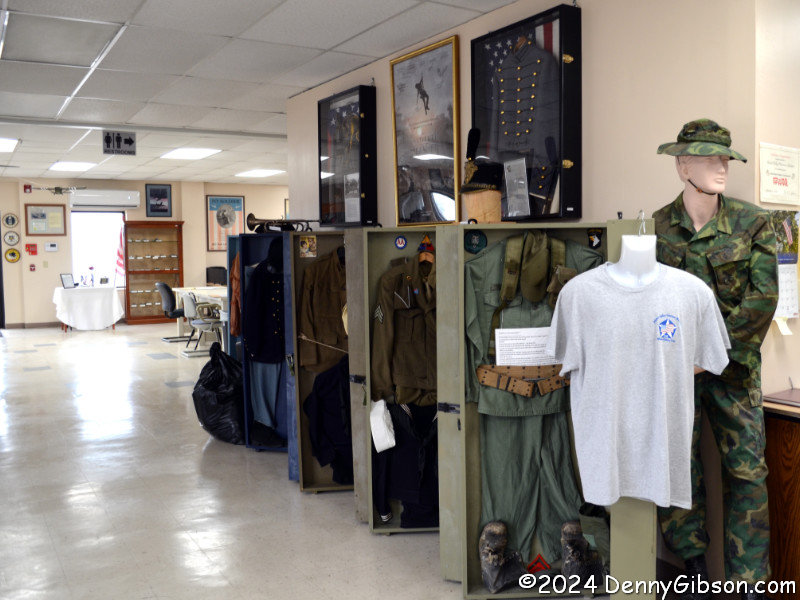 The museum was established in 2009 and spent its early years in the Masonic Building in downtown Troy. It moved here in 2021. One of the first things encountered on entering the museum is the History in a Box series. These are portable displays that are used in presentations at schools and such. Each box represents a different period beginning with pioneer days and currently ending with the Vietnam War. Assembling a box for the Middle East conflicts is in progress.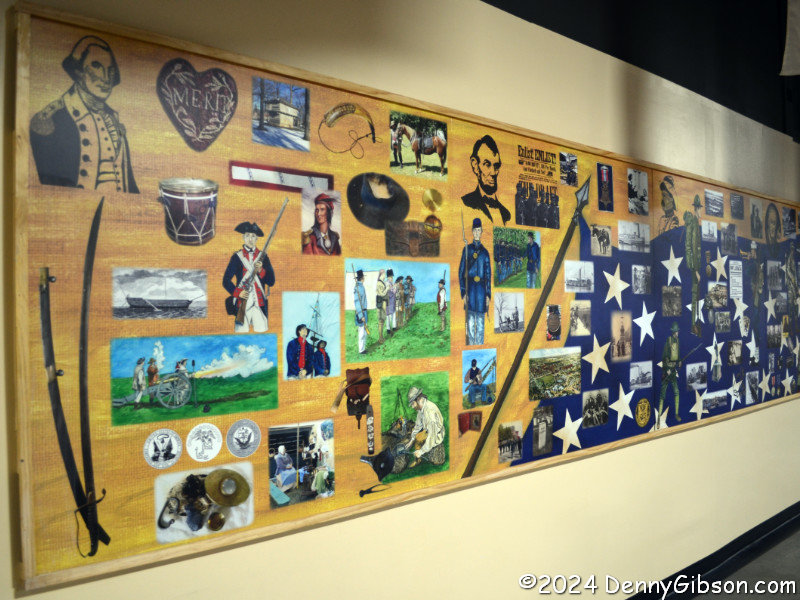
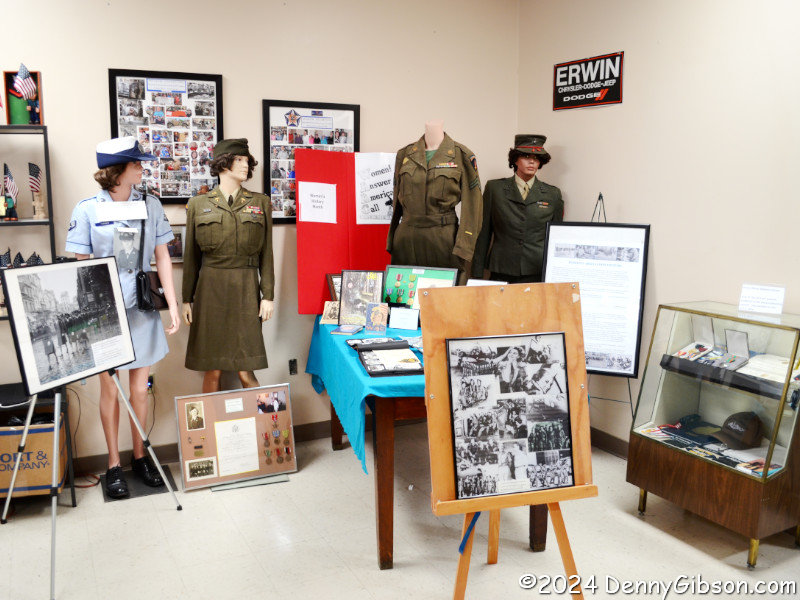 There are several other exhibits in the lobby area but the bulk of the displays are in a huge room behind it. Women are well represented throughout the museum but because March is Women’s History Month some items related to women in the military are displayed just outside the entrance to the main exhibit area. The 42-foot “Veterans Marching Through Time” mural is just inside the entrance.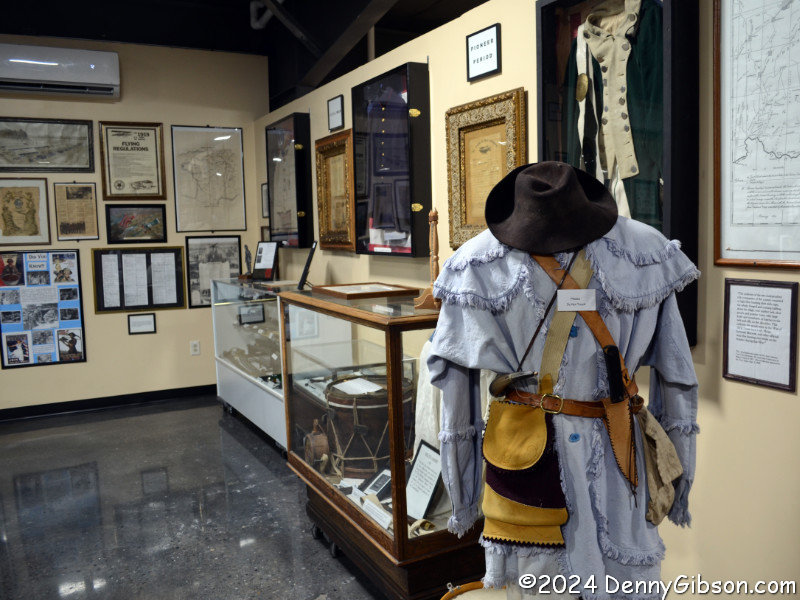
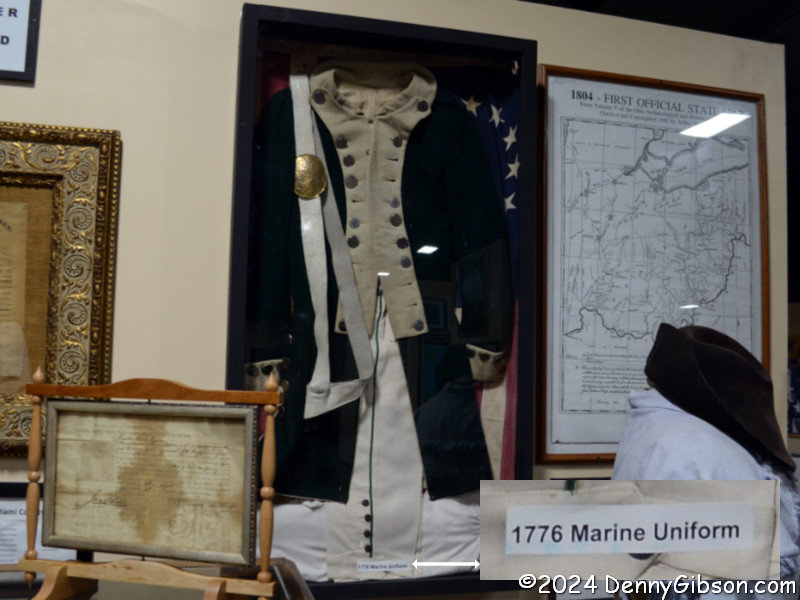
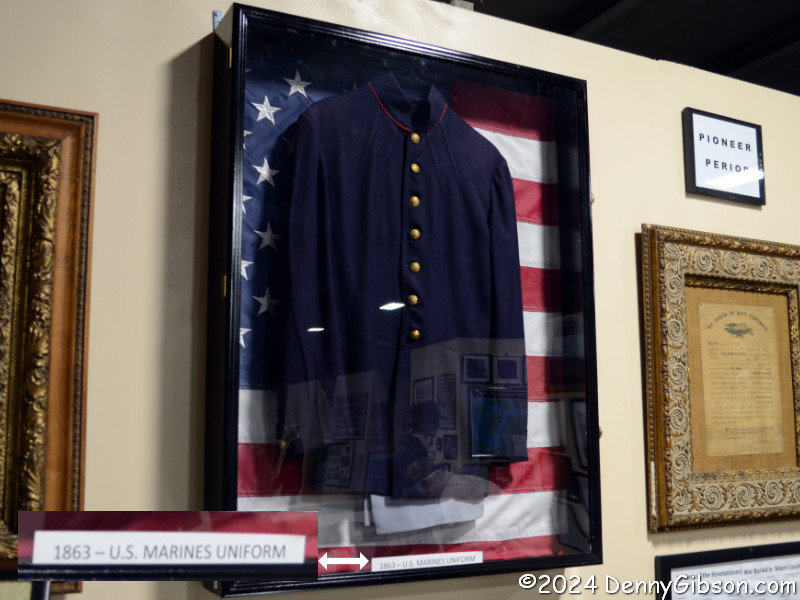
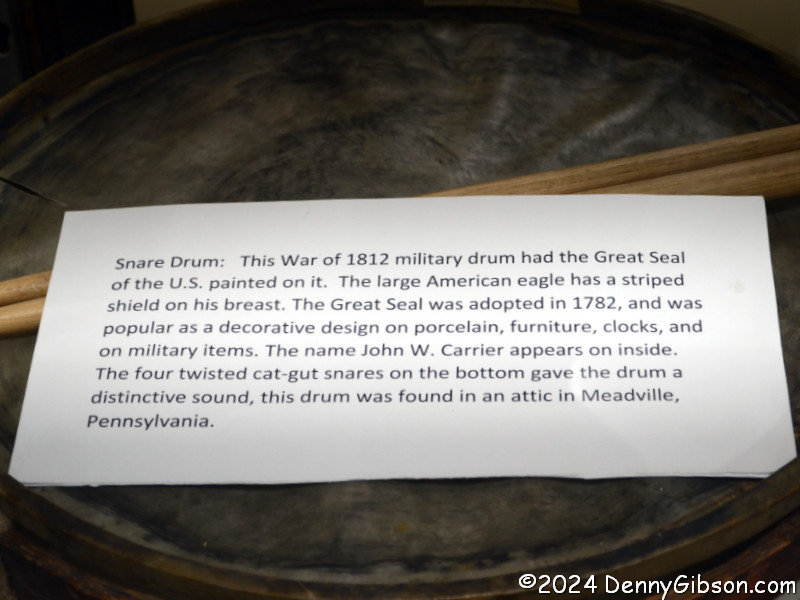
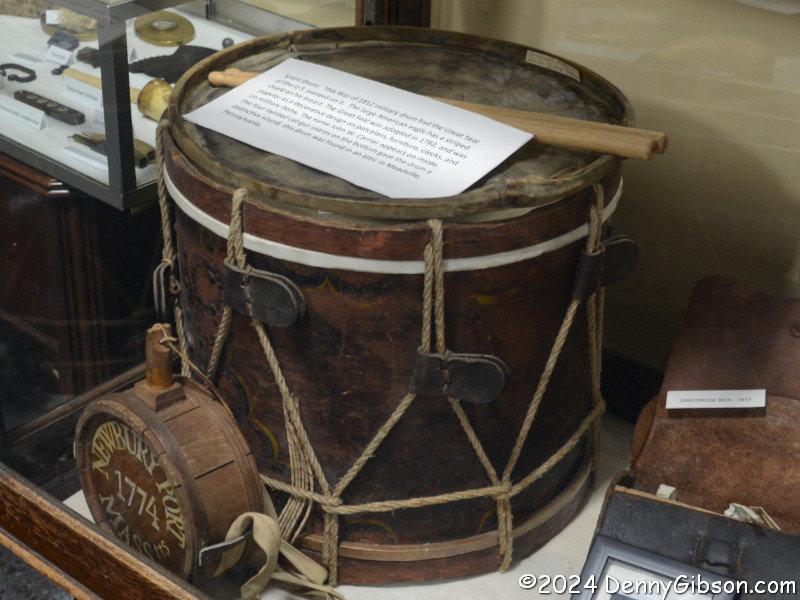 Exhibits in the big room are arranged chronologically beginning with the pioneer period. Marine uniforms from 1776 and 1863 can be seen in the first picture. The drum visible in both pictures is from the War of 1812.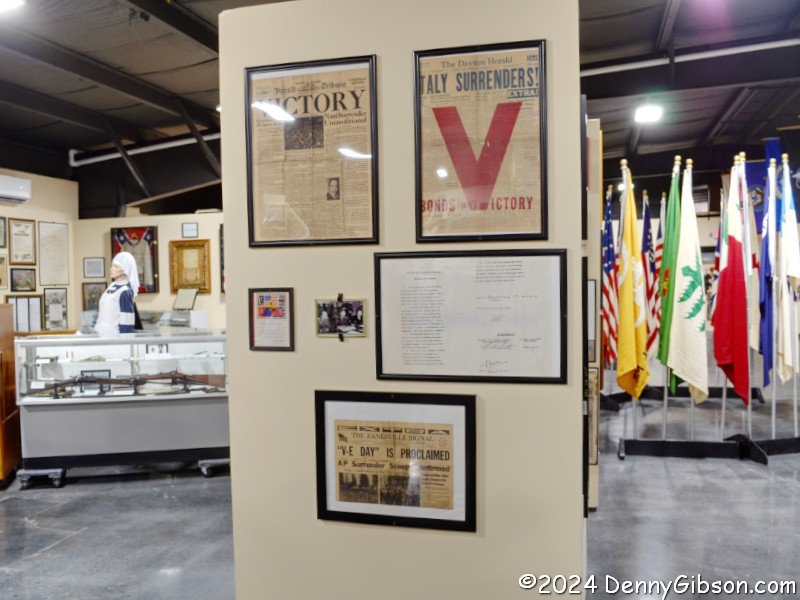
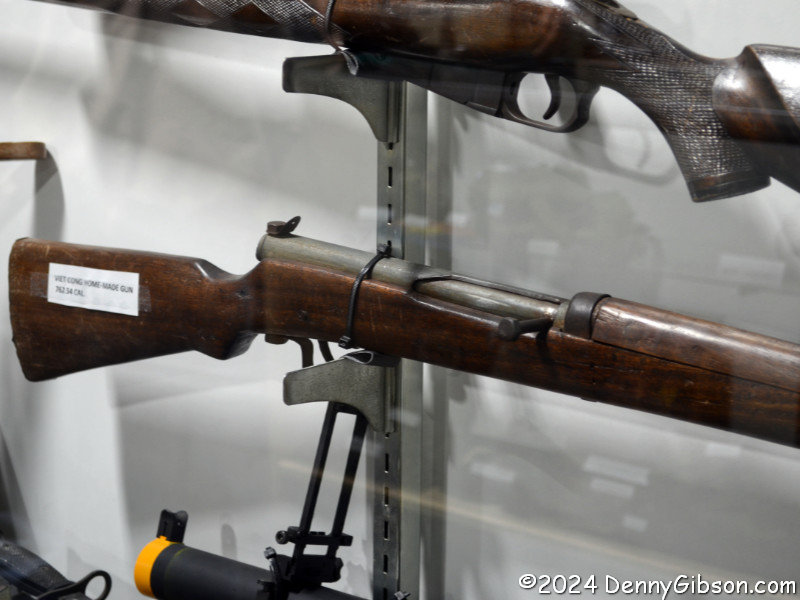 These two photos are of more or less random items that caught my eye. The genuine “bolt action” long gun was handmade by the Viet Cong but doesn’t appear all that crude until you get close. The “ITALY SURRENDERS!” headline stood out because it is a lot more common to see headlines announcing the Japanese or German surrender. That’s quite understandable since those surrenders actually ended campaigns whereas defeating Italy was just a step on the way to victory in Europe.
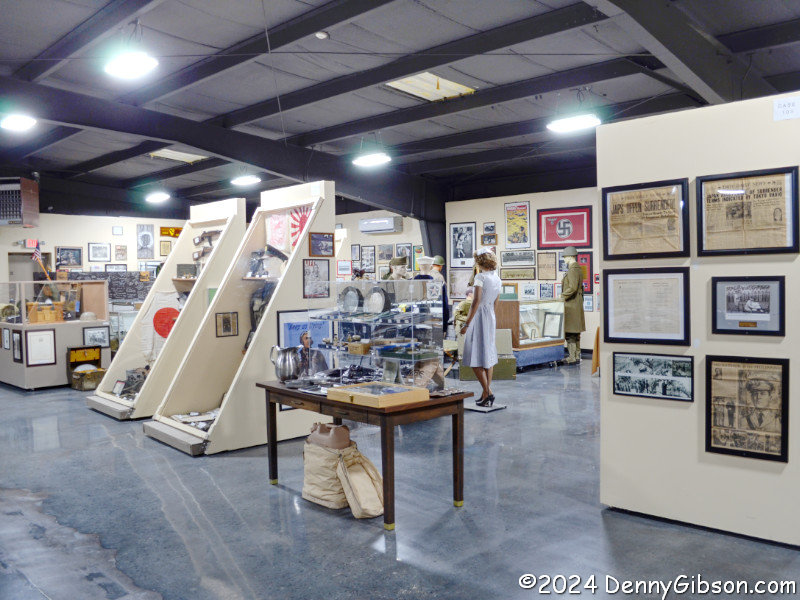 Terry and I had heard good things about the museum but it exceeded our high expectations in both the number and range of artifacts displayed. The friendliness and energy of the volunteers we met were also quite impressive. Open 10:00-2:00 Mondays, Wednesdays, and Thursdays. There is no admission charge but donations are welcomed.


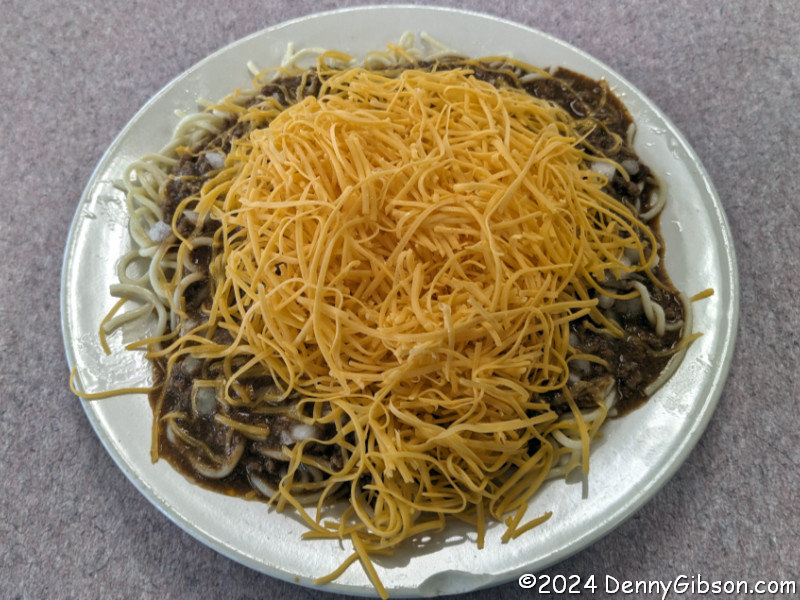
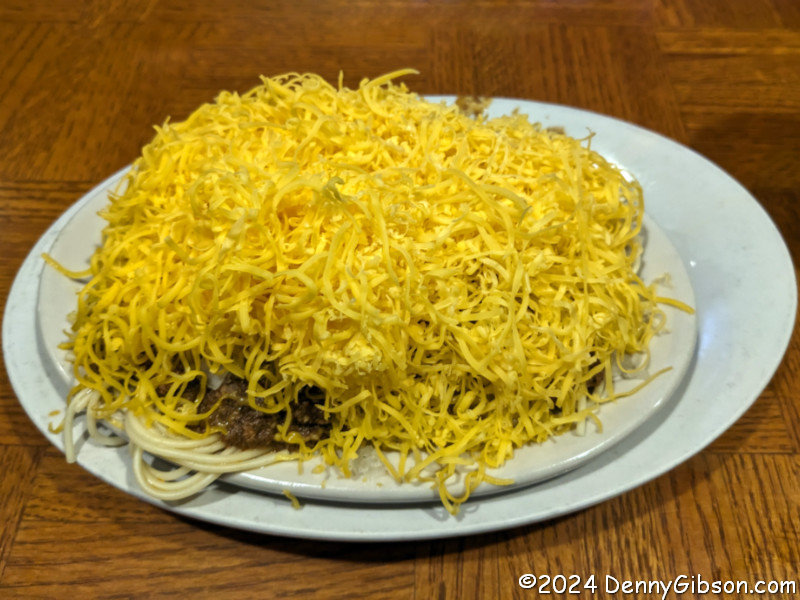
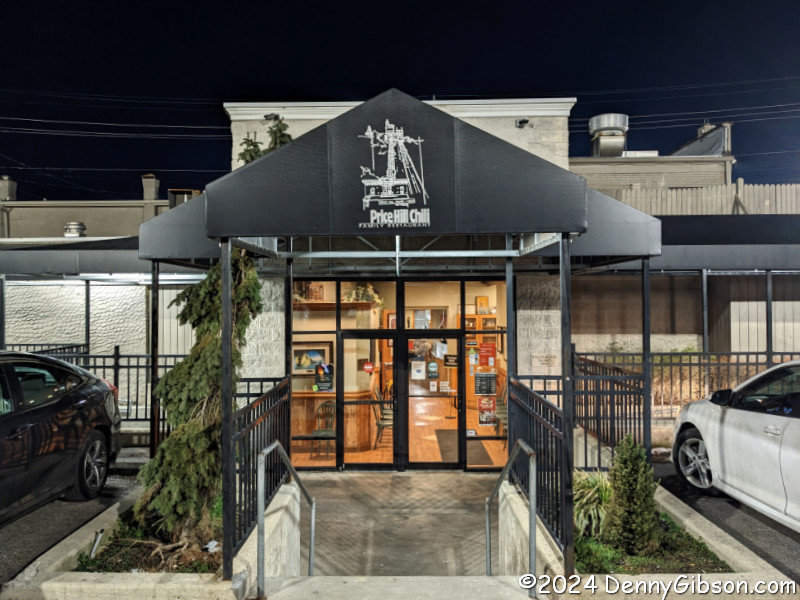
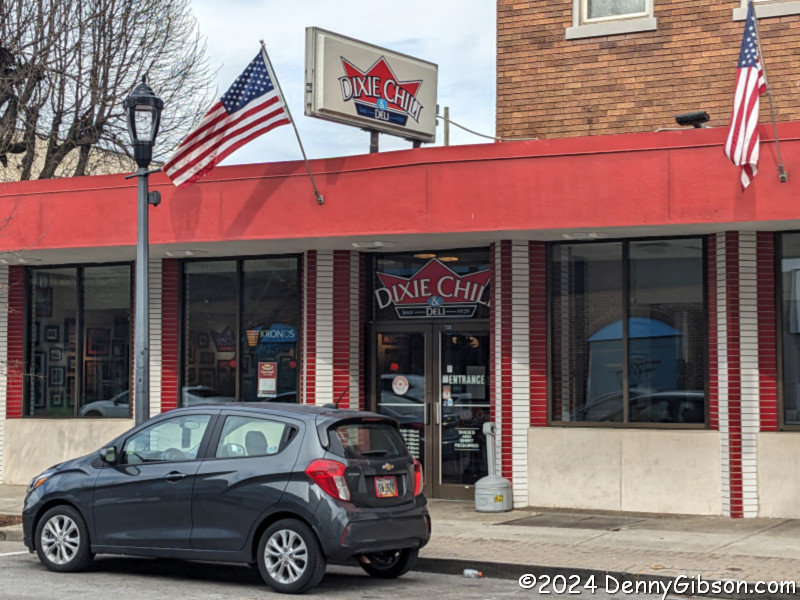
 Last Wednesday’s post was the 100th book review published on this blog. Eight were of my own books and one (





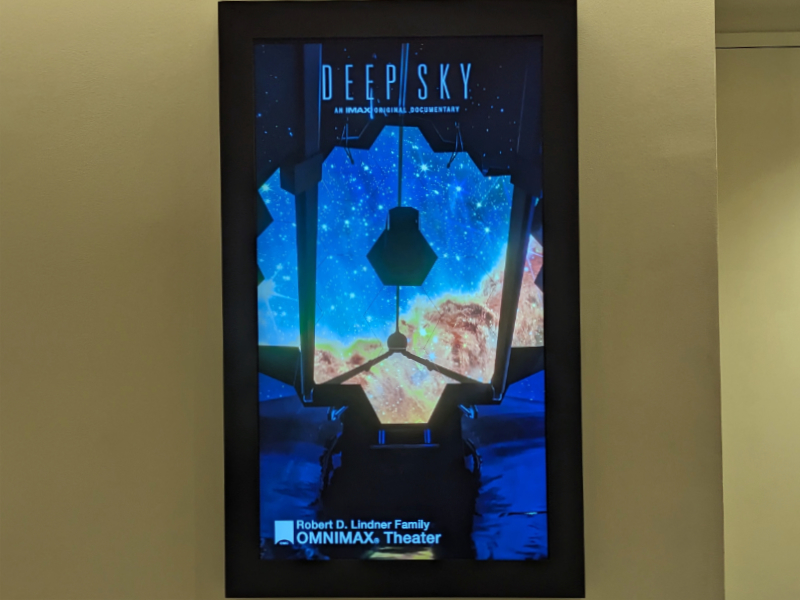
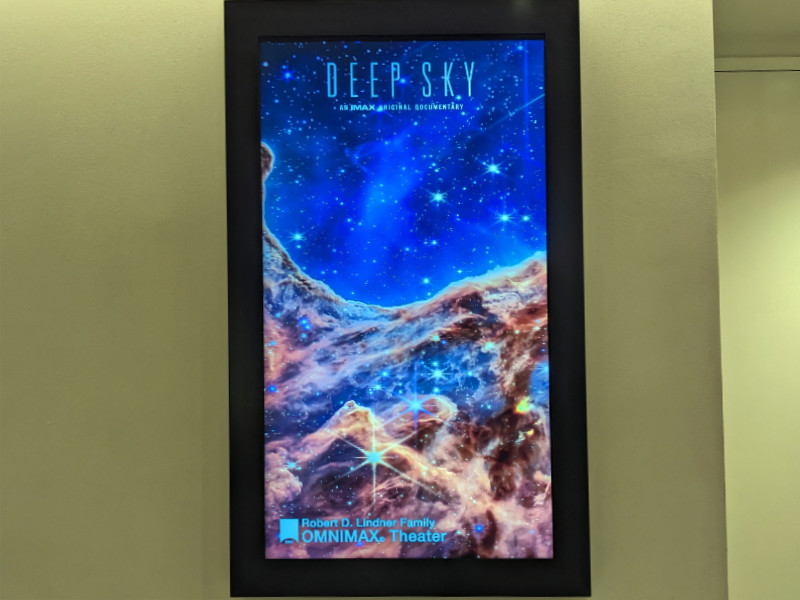
 I have not followed every detail of the astounding James Webb Space Telescope’s beginnings but I have been aware of some of the bigger events. I knew when it left Earth atop an Ariane 5 rocket on December 25, 2021, and I listened to reports of its eighteen gold-coated mirrors being unfolded and aligned. I marveled at those first images shared with the world on July 12, 2022. They were impressive on the tiny 6-inch screen on my phone, more so on my compact laptop’s 13-inch screen, and better yet on my small-by-modern-standards 42-inch TV. I need a bigger word than impressive now that I’ve seen some of them on a 72-foot OMNIMAX screen.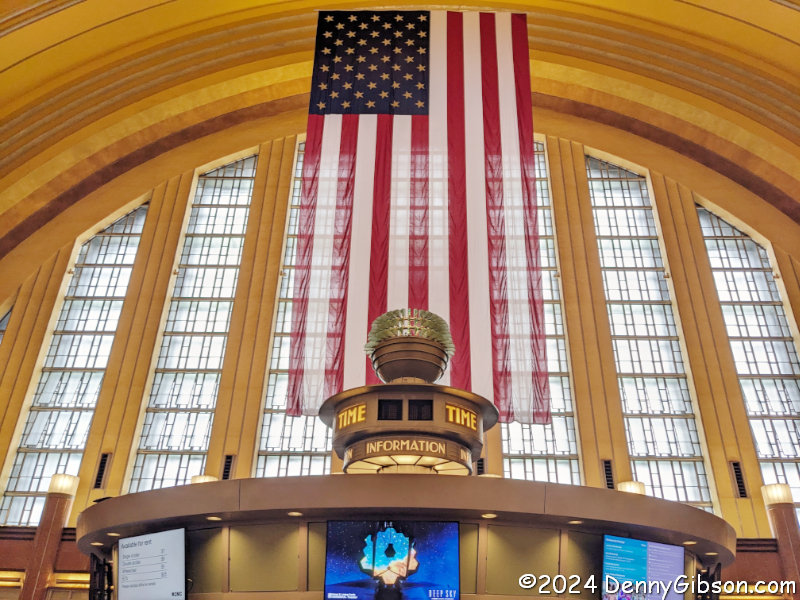
 One of the few details I remember from Tracy Kidder’s 1981 The Soul of a New Machine is the note that one of the engineers left behind when, frustrated by nanosecond timing issues in the computer they were designing, he simply took off. The note read, “I’m going to a commune in Vermont and will deal with no unit of time shorter than a season.”