 Last week I went to the largest Oktoberfest in the country. This week I went to the closest. And maybe the newest. Several Loveland, Ohio, businesses have been celebrating the occasion for several years, and last year the city itself decided to get involved. Somewhere a town or city might be holding their first ever Oktoberfest but the second ever Loveland Oktoberfest is still something pretty new and an indication that the first one was enough fun to make it an annual event.
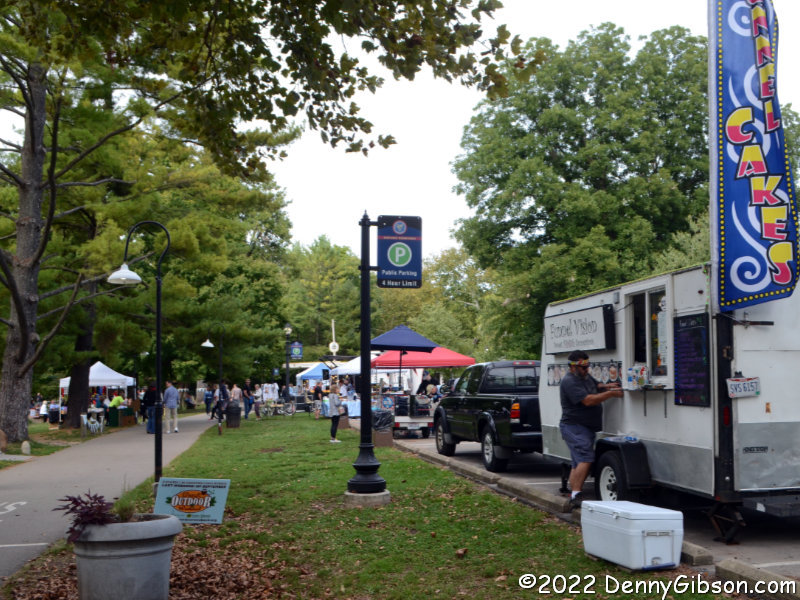
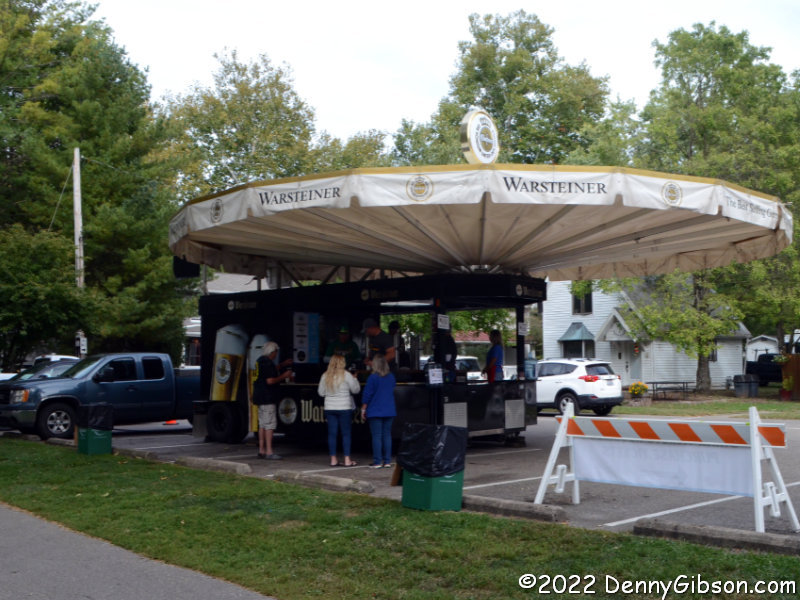 As I did with Oktoberfest Zinzinnati, I targeted Friday shortly after opening. In this case, that was 4:00 when I was again able to avoid the larger evening crowds.
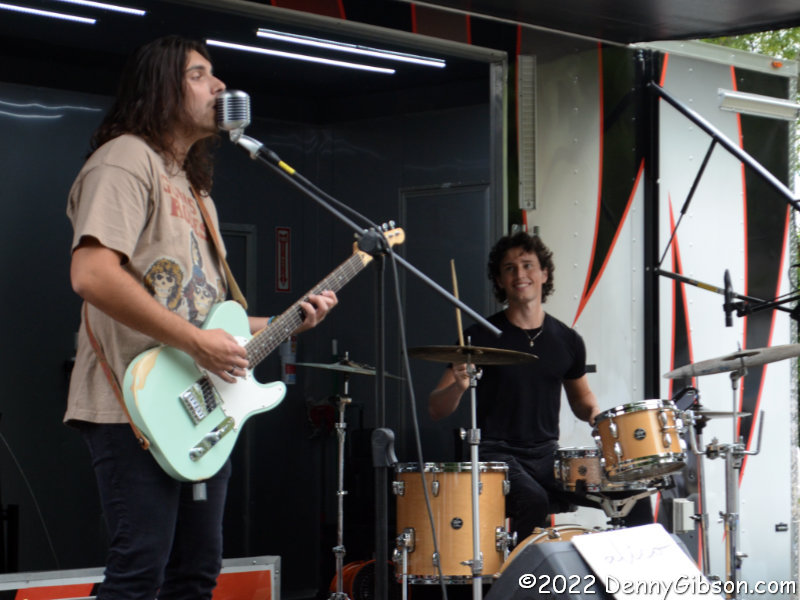 Not only did my timing allow me to enjoy a little open space, it allowed me to hear this new-to-me band. Alico does not deliver typical Oktoberfest fare. There isn’t an accordion or tuba anywhere on the stage. The young and talented duo perform rearranged covers mixed with originals that left me quite impressed. I thought the drummer looked kind of familiar and have since learned he is Joe Nasser who was once with Erin Coburn’s band. Spencer Anthony handles guitar and vocals.
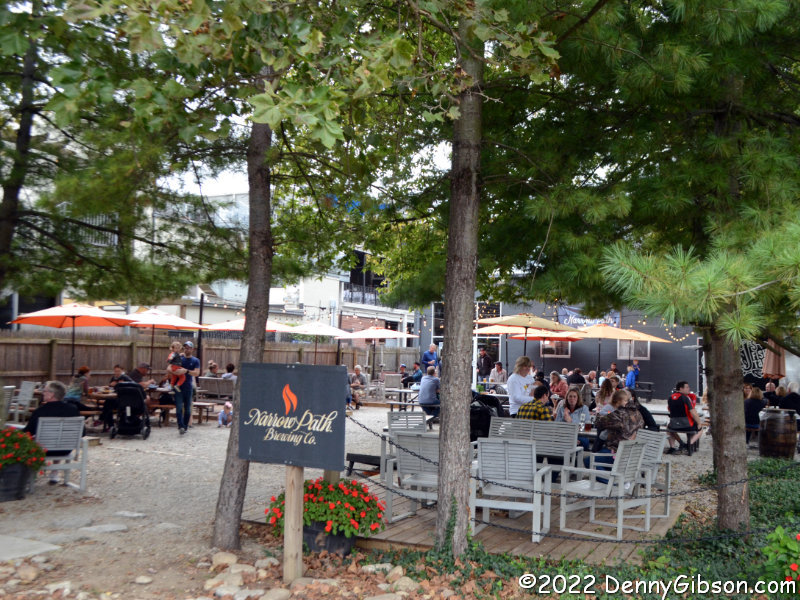
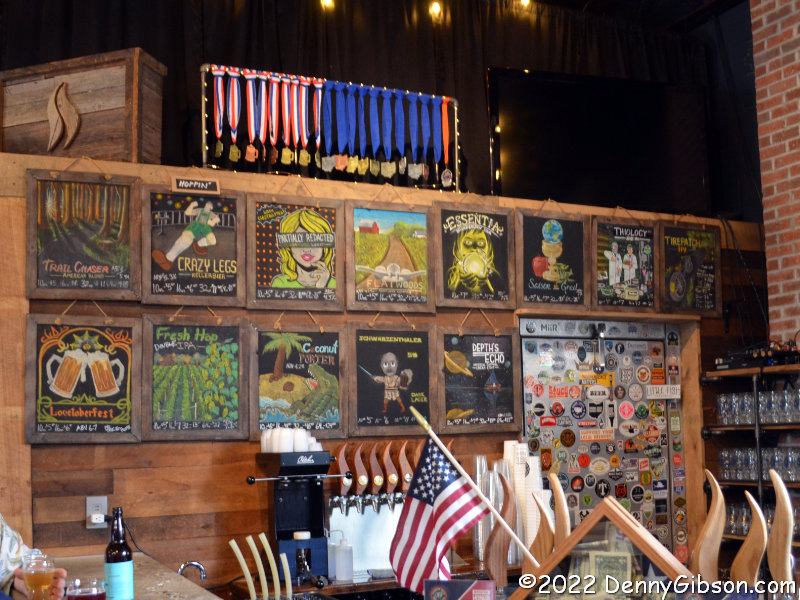 City-sponsored parts of the event were concentrated in Nisbet Park and along the bike trail but several businesses had their own activities going on as well. I skipped the biergarten and grabbed a Lovetoberfest Marzen at the trailside Narrow Path Brewing Company.
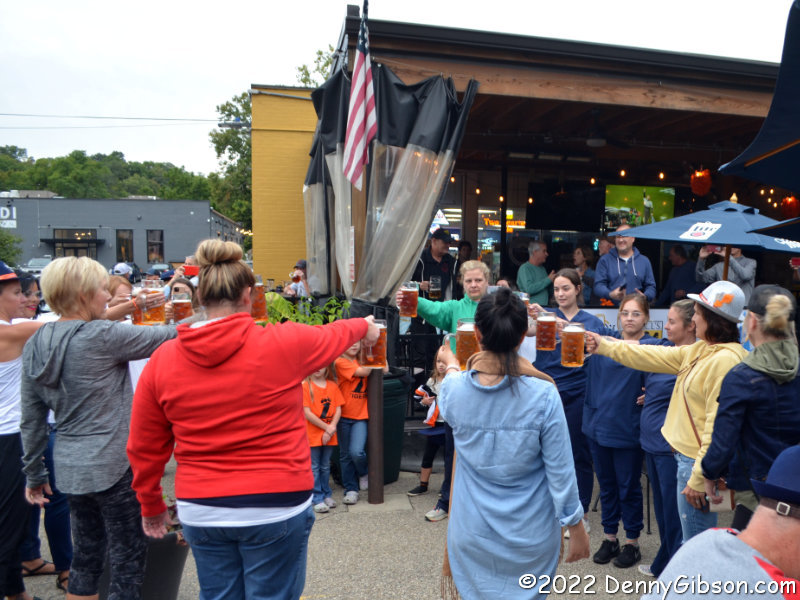
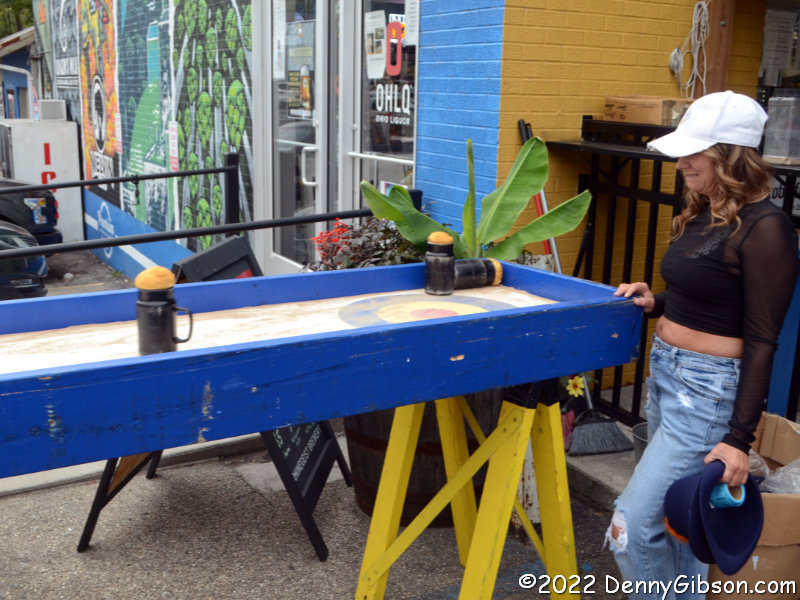
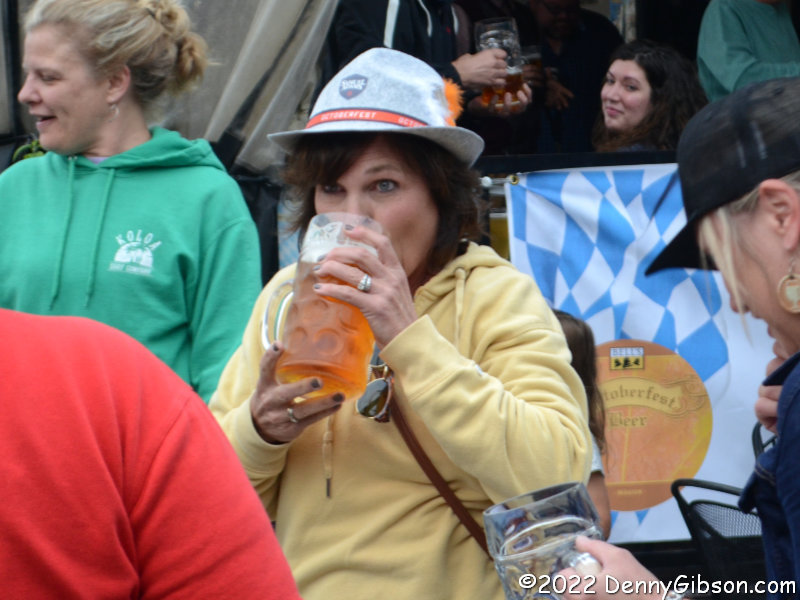
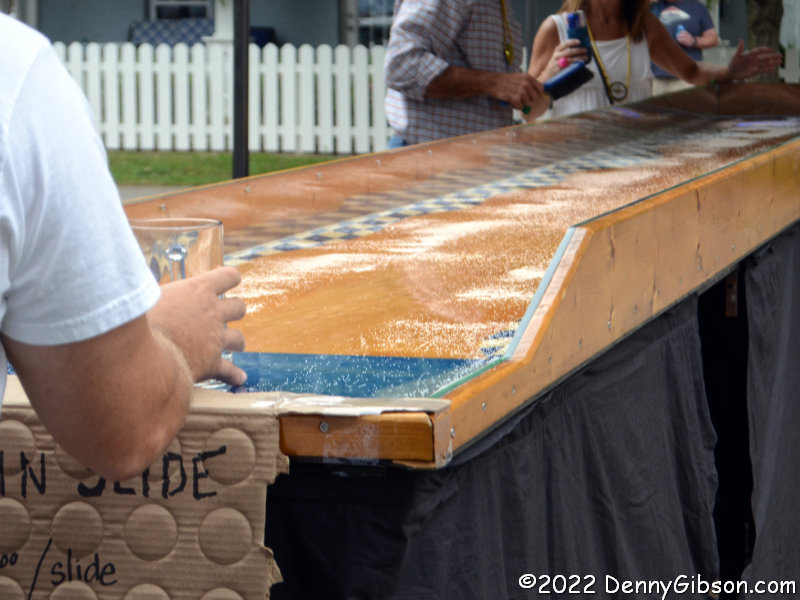
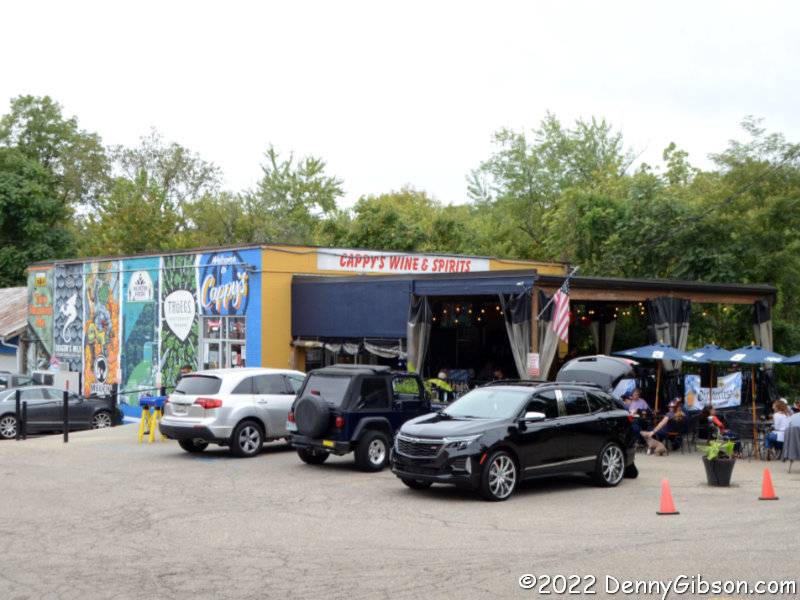 Then I headed over to Cappy’s Wine and Spirits for their Stein Hoist competition. Several businesses held contests for both men and women with the winners moving on to a Saturday Night city-wide event. The opening photograph shows the final two women contestants toasting each other before one arm faltered to decide the winner.
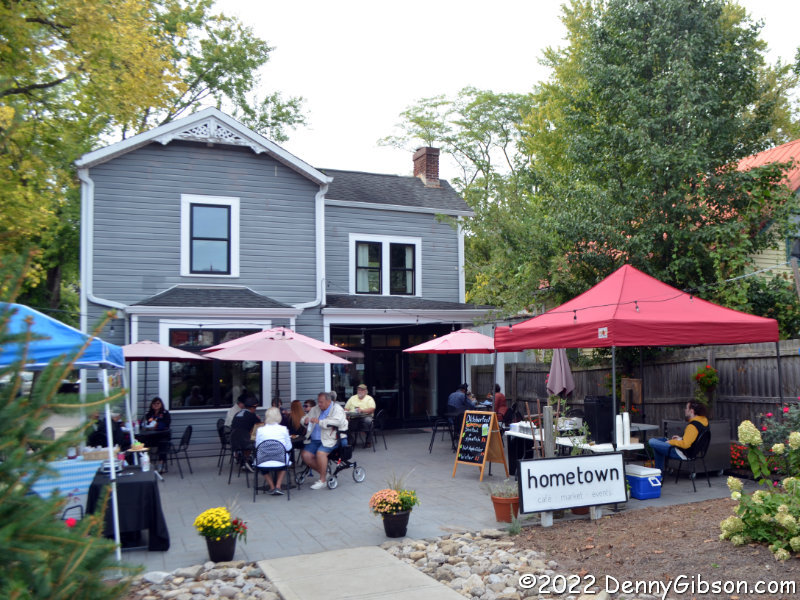
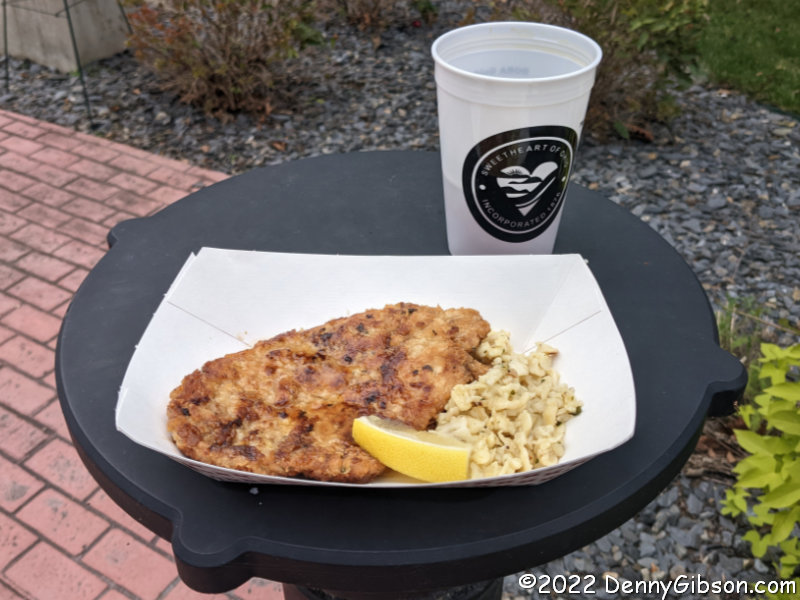
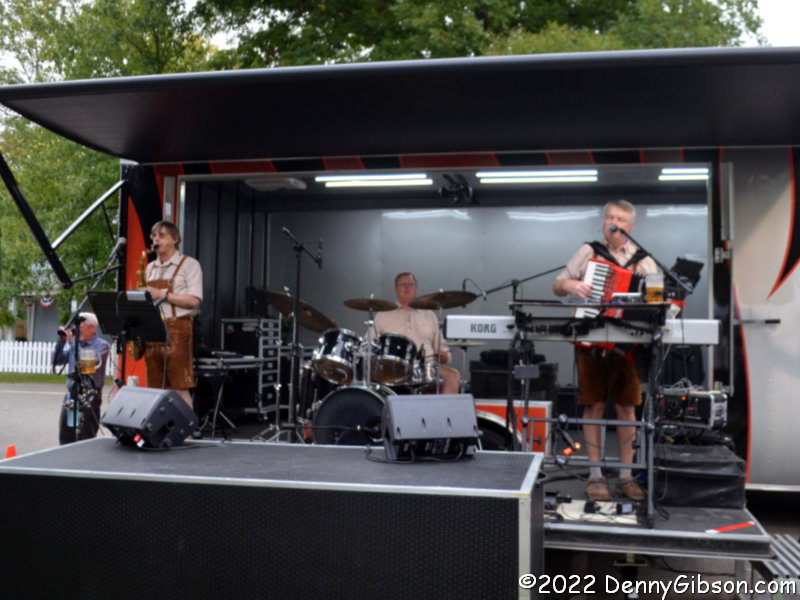 I didn’t stay for the men’s competition but headed off to Hometown Cafe for dinner. This picture of the cafe was taken shortly after my arrival. It was significantly more crowded when I picked up my schnitzel and spaetzle and walked down the trail to eat it accompanied by dinner music from the Schnapps Band.