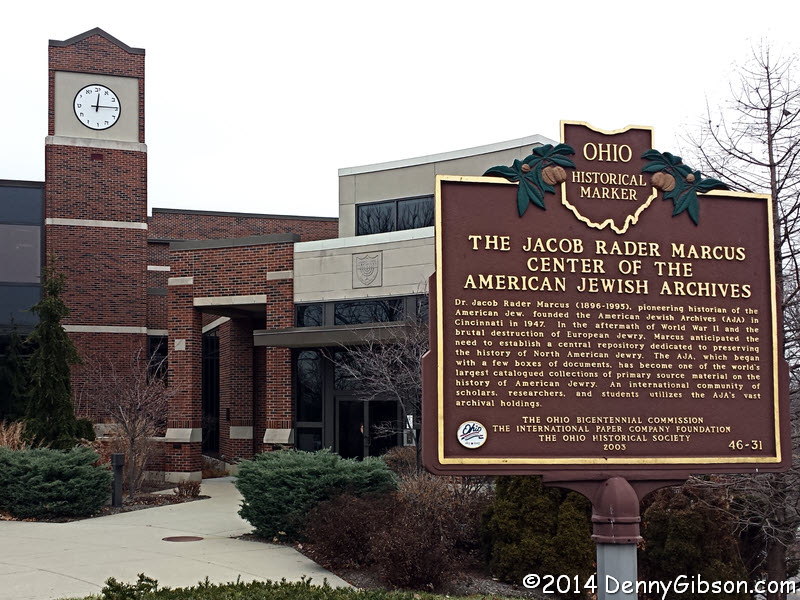
Cincinnati the Exhibitionist

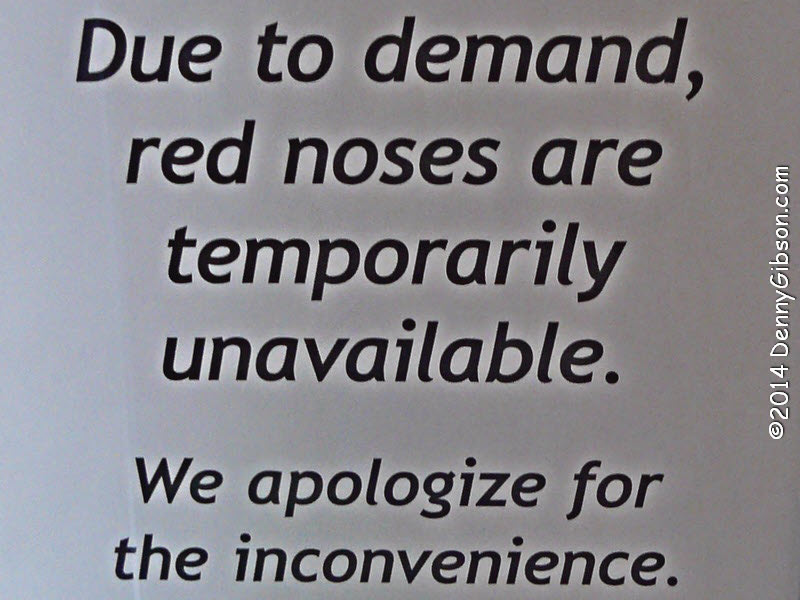
cte01I visited a few museums this week. One reason was that I realized some temporary exhibits I wanted to see would be ending soon but there was also a lot of happenstance involved. For those of us spared desperate last minute shopping, the week before Christmas seems to be rife with days needing to be filled with something and a little catching up fits nicely. This post will wander a bit but will eventually get around to explaining the nose shortage revealed in the photo above.

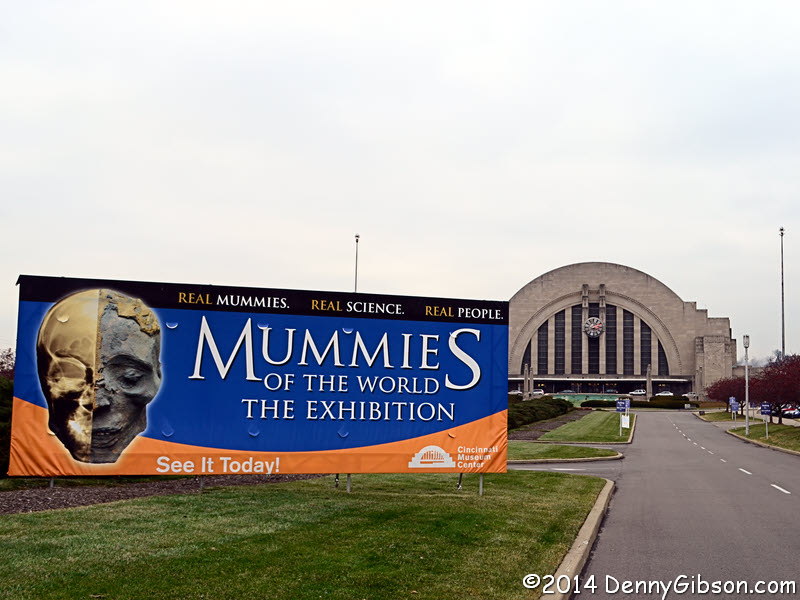
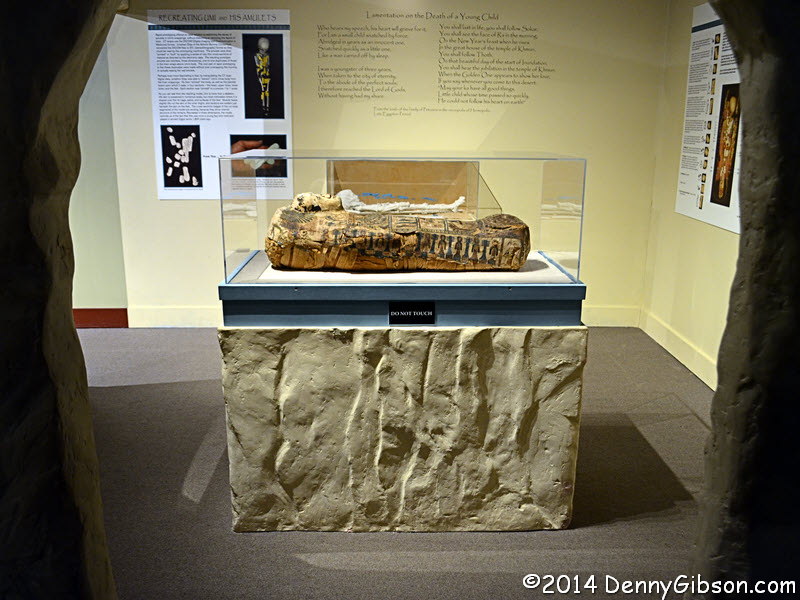
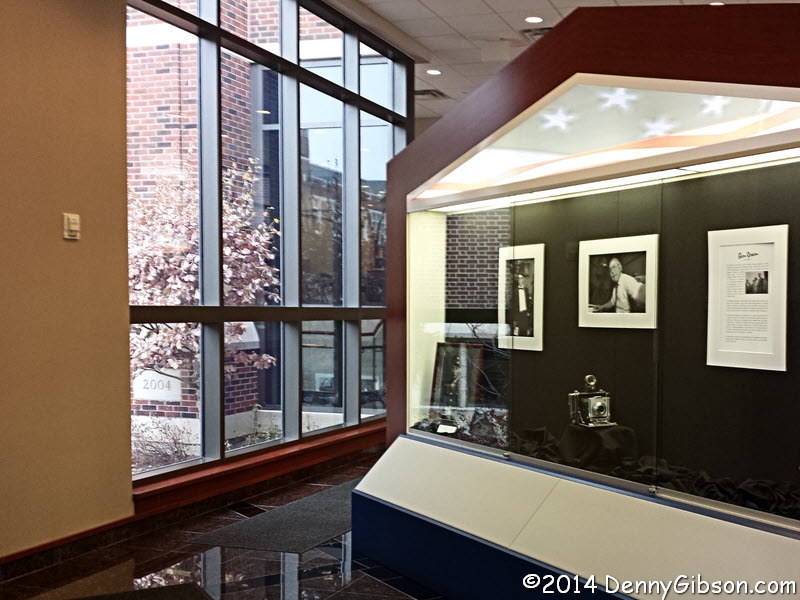
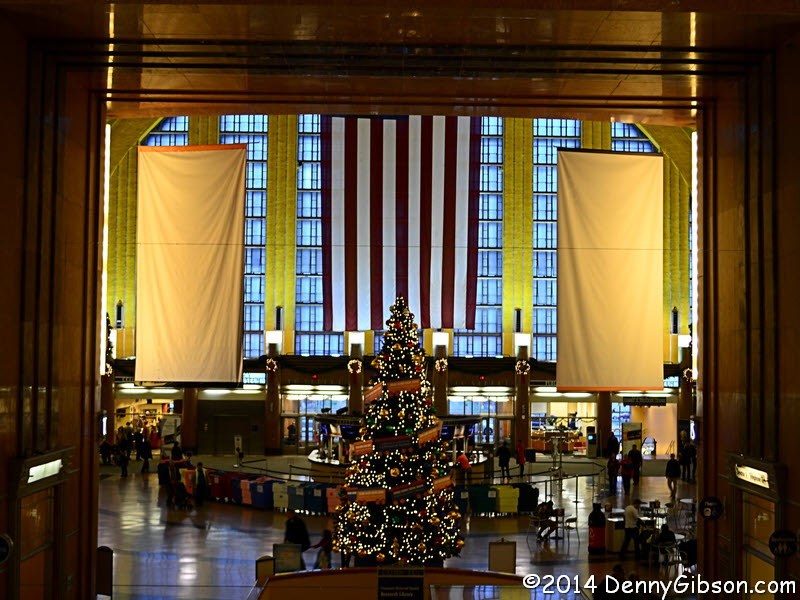
cte02cte03cte04Early in the week, I attended the Mummies of the World exhibition at Cincinnati Museum Center. No photos were permitted in the traveling display so I’ve included a picture of the museum’s resident mummy, Umi. Mummies of the World will be in Cincinnati through April 26. The third photo is of the museum’s giant Christmas tree backed by Union Terminal’s brightly painted half-dome. For those who feel a little disoriented by that shot, a more traditional view is here.

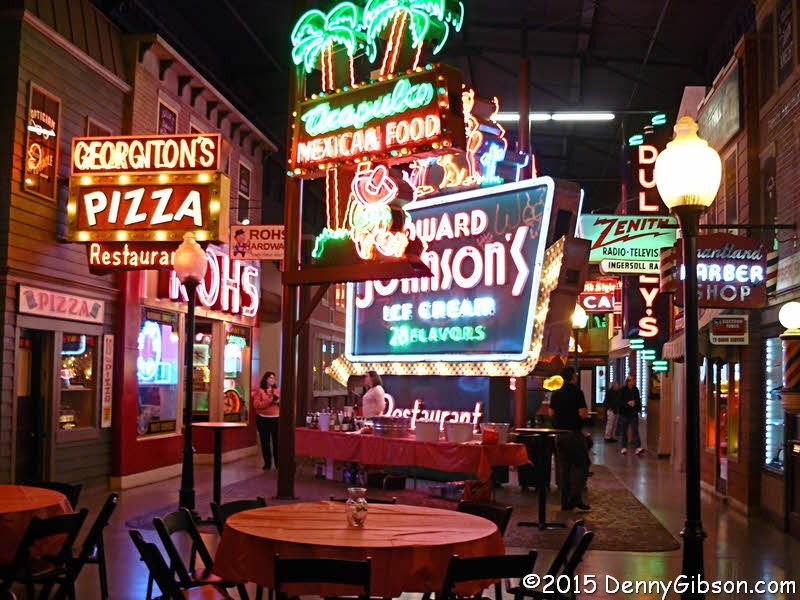
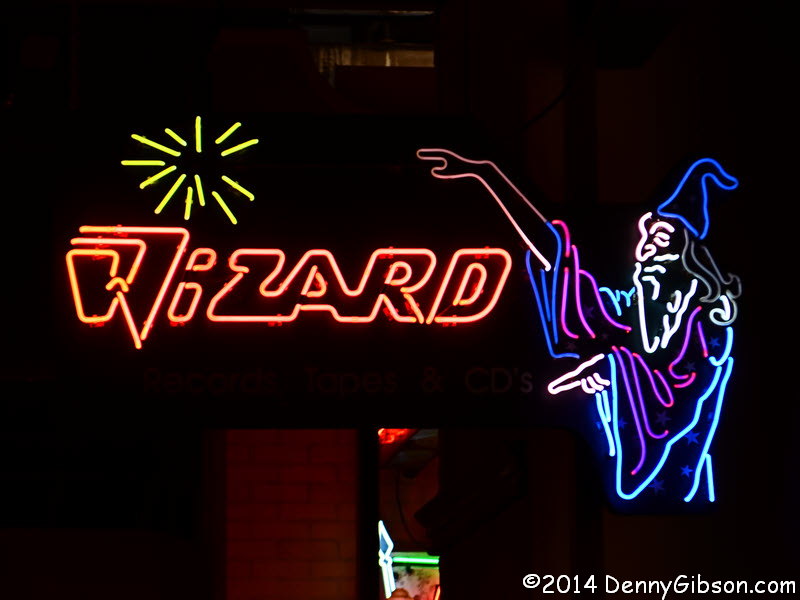
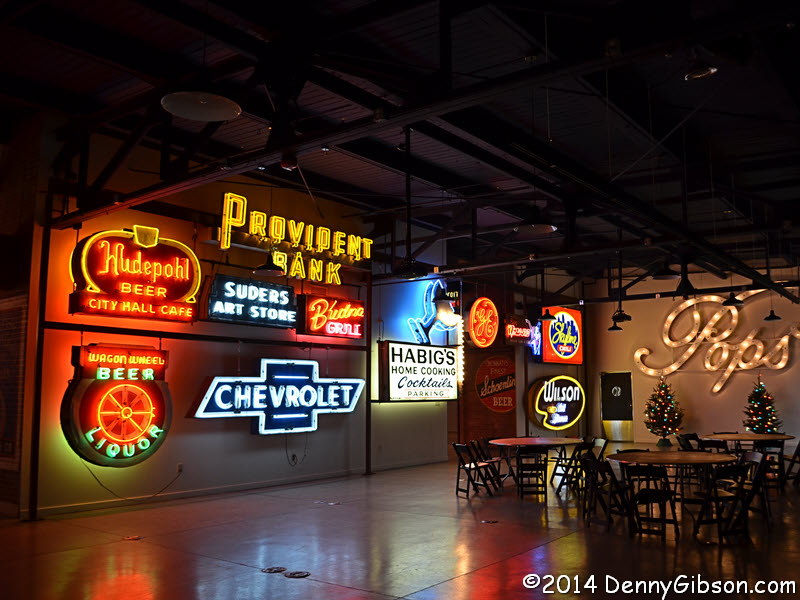
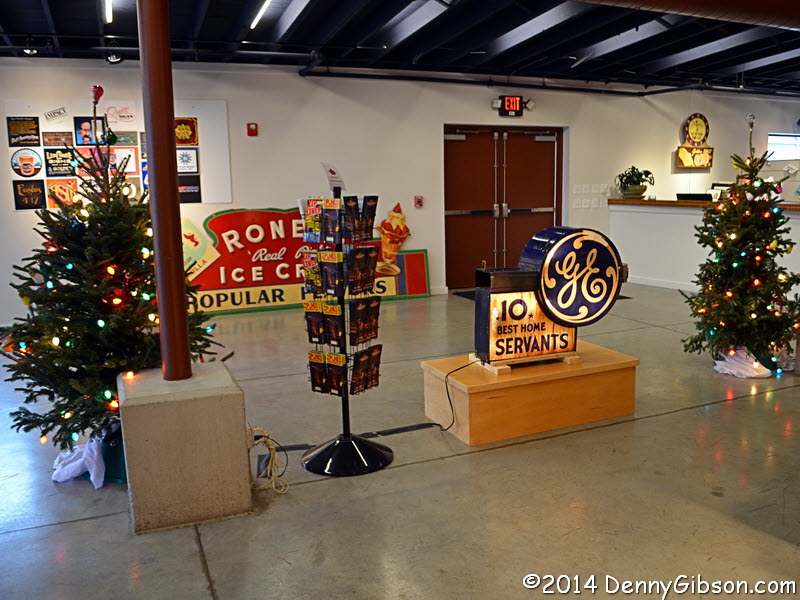
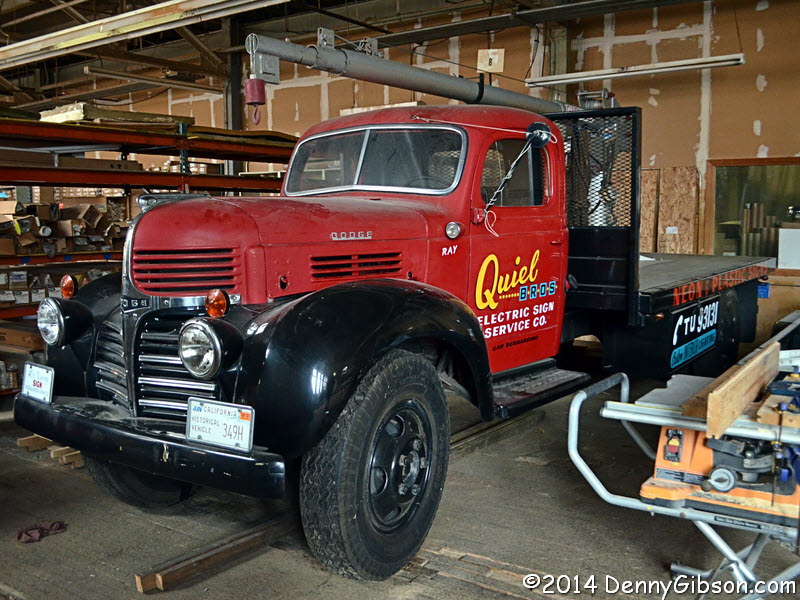
cte08cte07cte06On Friday, I went out for breakfast then decided it would be a good time for an overdue visit to the American Sign Museum. There is so much here that it’s often near impossible for me to know if a sign is truly a recent addition or simply something I’ve not noticed before. As I gawked my way around, founder Tod Swormstedt made a point of saying hello and verified that a couple of signs in the local area were indeed newly placed. I clearly remember driving and walking by the Wizard sign many times in the wild but do not recall ever being inside the Clifton area record shop. Tod also gave me a little behind the scenes tour that included a recently acquired 1944 sign truck that will be used in parades and other promotions.

cte10cte11This year’s Fotofocus was in October and, with the exception of Treasures in Black & White at the museum center, I pretty much missed it. However, some related exhibits are still in place. One of them isn’t too far from the Sign Museum so I figured this was a good time to visit it as well. Good thing, too. It had just two more days to run. Documenting Cincinnati’s Neighborhoods at Hebrew Union College contains examples of the work of three local photographers from the middle of the 1900s.

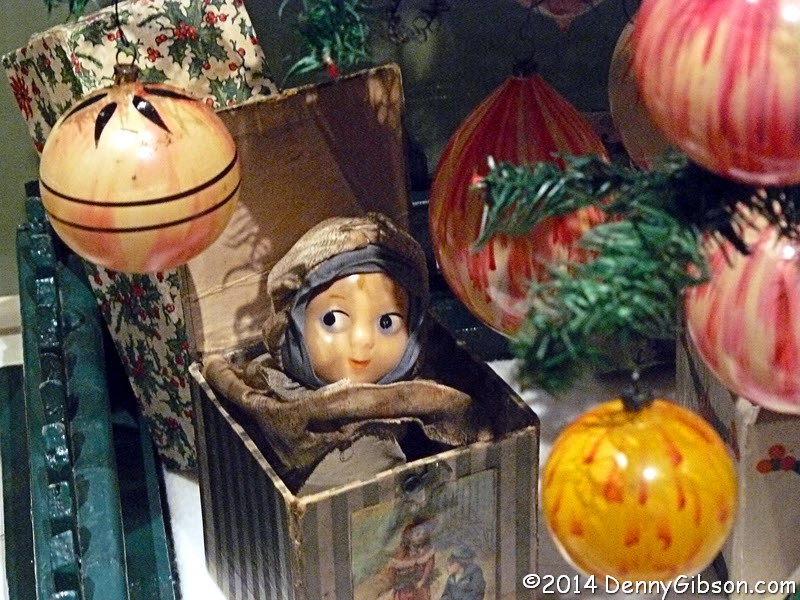
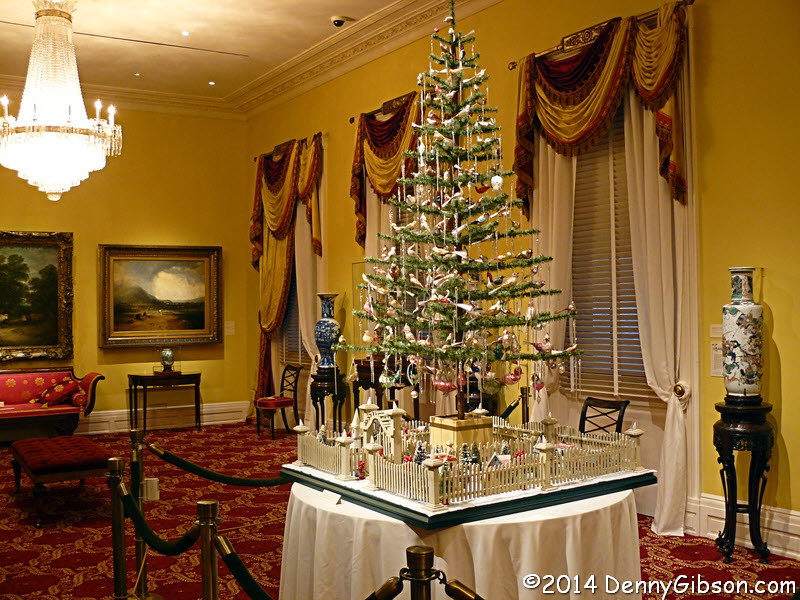
cte13ncte12Maybe realizing how close I came to missing the Neighborhoods exhibit scared me because I next headed straight to the Taft Museum where two photo exhibits were in progress. I didn’t really need to hurry, I suppose, since both Black, White, and Iconic: Photographs from Local Collections and Paris Night & Day: Masterworks of Photography from Atget to Man Ray continue through January 11. No pictures were allowed in either exhibit but amateur photos of photo masterpieces aren’t all that appealing anyway. On the other hand, what I believe is a fairly recent policy change, not only allows but encourages non-flash photography in the other areas of the museum. The two photos here are of displays in the museum’s annual Antique Christmas exhibit.

cte14That opening photo was also taken at the Taft. A trio of reindeer stands in the lobby with an oval cutout that allows anyone to be photographed as one of the group. Apparently red noses were once available so that adding a Rudolph like touch was an option. That option, it seems, was quite a bit more popular than anticipated which led to it currently being unavailable. BYON.

History by the Pint

cbc01Ohio has a new brewery. It wasn’t desperately needed, I suppose, but this one is seriously different. There were already more than 100 breweries operating in Ohio and over 3000 in the country. A dozen other states also have more than 100 each. New mini, micro, and nano breweries are popping up everywhere everyday and, while I’m personally very happy to hear of each and every new launch, it’s a fact that the opening of a brewery is not as exciting and rare as it was just a few years ago. In an effort to distinguish themselves, some breweries are targeting the extremities of things that can be measured to claim titles like “the hoppiest” or “highest alcohol content”. How about “most labor intensive”?

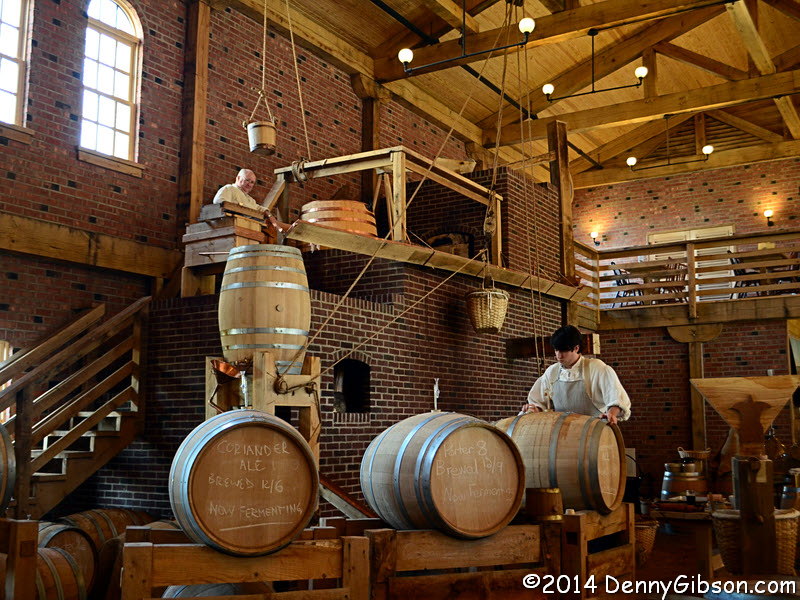
Carillon Brewing Company did not set out to be high on the labor used scale. It set out to be high on the historically accurate scale and provide a piece of living history befitting the 65 acre open air museum it is part of at Carillon Historical Park. It just turns out that, when you accurately recreate an 1850 brewery and use it to make beer the same way it was made more than a century and a half ago, things are going to be a bit more “hands on” than is normal today.

cbc02cbc03cbc04Though many are in really old buildings, the working bits of most breweries we see today look pretty modern. There are usually dials and gauges and maybe some electronics. One or more — sometimes many more — big — sometimes really big — stainless steel tanks are what actually identify a brewery to most of us. There are no steel tanks here and no fancy gauges. Definitely no electronically controlled automation.

cbc07cbc06cbc05Here the beer is brewed in copper kettles and fermented in wooden barrels. Heat comes from wood fires and transferring the liquid between brewing steps is accomplished by hand dipping and gravity. One of the few concessions to modern times is the use of city water to save workers the chore of toting bucket after bucket from the nearby Great Miami River.

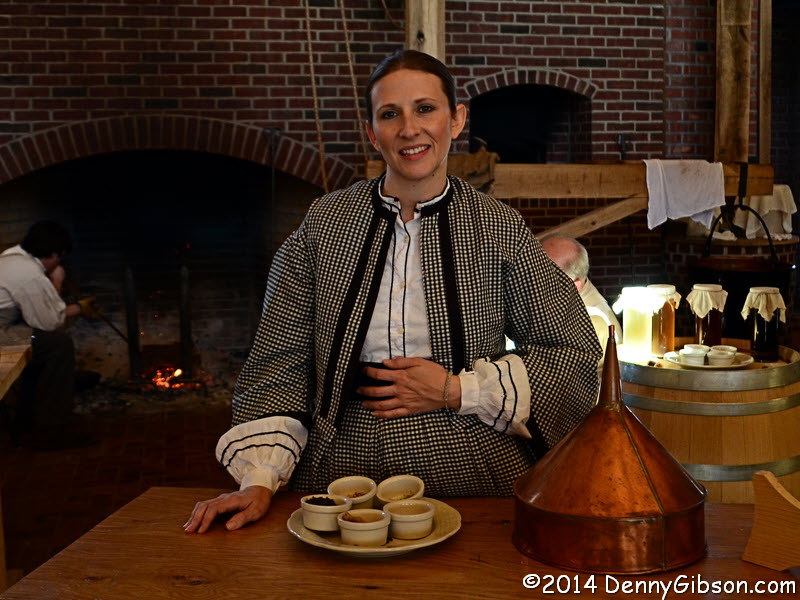
cbc08cbc09The doors were opened in August with a full food menu and OPB (Other People’s Beer). In October, house brewed root beer and ginger ale were added. Last Thursday, December 11, two of Carillon Brewing’s own ales were introduced. The Porter (from an 1862 recipe) is pictured. I was served both it and the already downed Coriander Ale (1831 recipe) by Frank, the guy in the second picture. Note the period dress. Another modern concession is the use of refrigeration so that us twenty-first century wussies don’t have to drink warm beer. It is anticipated that some varieties will be served at room temperature to provide a true 1850 experience. Only ales will be brewed here. Even though lagering existed long before 1850, most breweries produced only ales until the mid 1860s

cbc10My new word of the day is “brewster”, a female brewer. Carillon Brewing’s Tanya Brock is that and more. Not only is she responsible for turning out something as tasty as those new stainless steel filled microbreweries, she must do it with historically accurate methods and recipes. Oh, and she has to research those methods and recipes, too. This is one unique operation. With justified pride, Brock says, “No one else in the United States is doing a fully-licensed production brewery in a historic museum.”

cbc11cbc12cbc13The brewery is indeed part of a museum and vice versa. Signs, including several on barrel heads, explain brewing and its history in the area. One barrel head contains an annotated drawing of the brewing operation that stands behind it. Employees and volunteers are knowledgeable and happy to answer questions. Brewing currently takes place Wednesday through Saturday though watching it is sometimes akin to watching water come to a boil. Actually, between the flurries of activity moving the brew between steps, it is exactly like watching water come to an almost boil. Still, it’s mighty interesting. Nowhere else can you drink a beer truly made “the old fashioned way” while watching another batch being prepared for a future visit. You’ll leave not only refreshed and educated on nineteenth century brewing methods but, with just a little counting, knowing how may states were in the union in 1850.

EDITED 15-Dec-2014: Within a day of publishing this article, it struck me that the opening paragraph did not at all establish the right tone. In a move that I certainly won’t make a habit of, it has been rewritten. The original follows:

Ho hum. Ohio has another brewery. No, ho hum isn’t really what I want to say. I’m very happy to hear of each and every new launch but it’s a fact that the opening of a brewery is not as exciting and rare as it was just a few years ago. It’s not just Ohio, of course. There are now more than 3000 breweries in the country and new mini, micro, and nano breweries are popping up everywhere everyday. Ohio is just one of thirteen states with more than 100 breweries in operation. In an effort to distinguish themselves, some breweries are targeting the extremities of things that can be measured to claim titles like “the hoppiest” or “highest alcohol content”. How about “most labor intensive”?

Faux Fight at Franklin

I decided to make an official road trip out of a run to the reenactment of the Battle of Franklin at almost the last minute. The first day’s journal is posted and covers a fairly unplanned drive to and through Nashville, Tennessee.

The trip journal is here. This blog entry is to make blog-only followers aware of the trip and to provide a place for comments which are very welcome and appreciated.

Doug Dickey Honored at Garst Museum

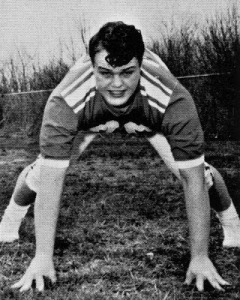
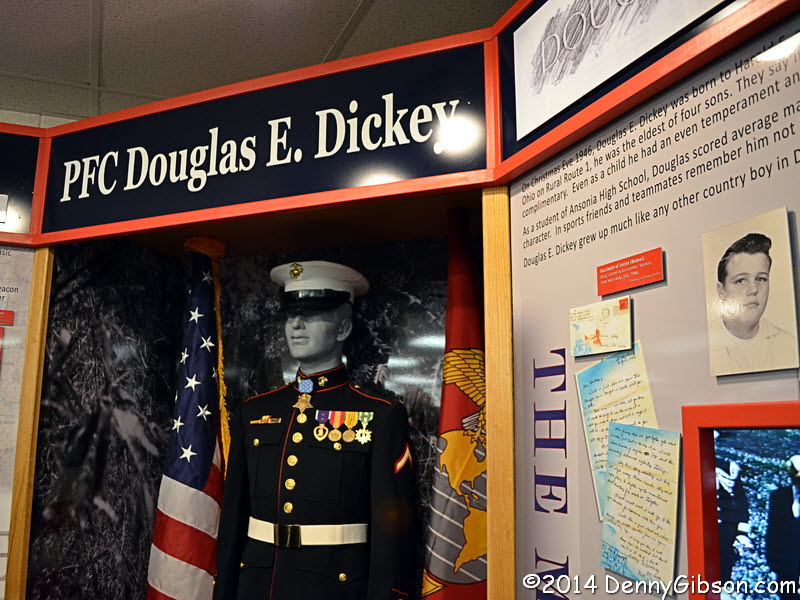
dougdfbDouglas Dickey never got to be a veteran. He barely got to be a high school graduate. Less than two years after graduation, Doug’s life ended in Vietnam. He was twenty years old.

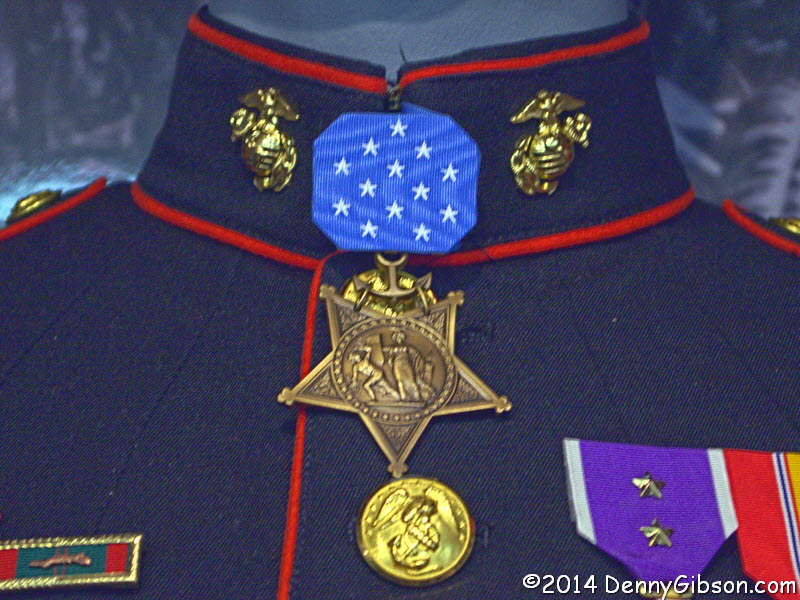
A Congressional Medal of Honor was awarded, as so many are, posthumously. There was no question about it being deserved. Doug’s actions that day were exactly what we think of when we think of unselfish bravery. They might even be what we think of when we think of the Medal of Honor. To save others, he threw himself on top of a live grenade seconds before it detonated. While we might think of that as the quintessential Medal of Honor worthy scenario, I don’t believe it’s typical. I haven’t read every Medal of Honor citation and I have no supporting statistics but my impression is that the majority of these medals are awarded to men who do a considerable amount of damage to the other side, usually in defense of the defenseless, while disregarding all personal danger. Defending the defenseless is exactly what Doug Dickey was doing when he died and the fact that he destroyed no enemy gun positions and killed no attackers places his actions neither above or below those of other Medal of Honor recipients. It just makes them a little different than many.

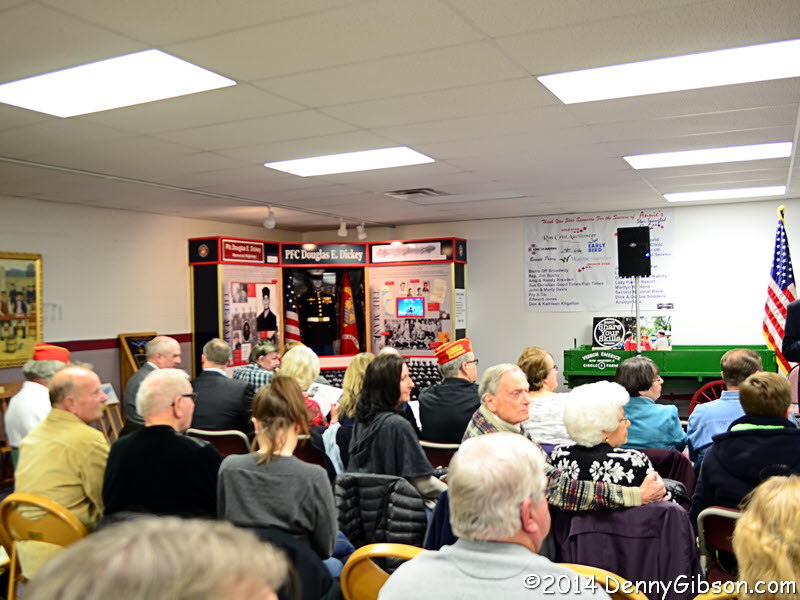
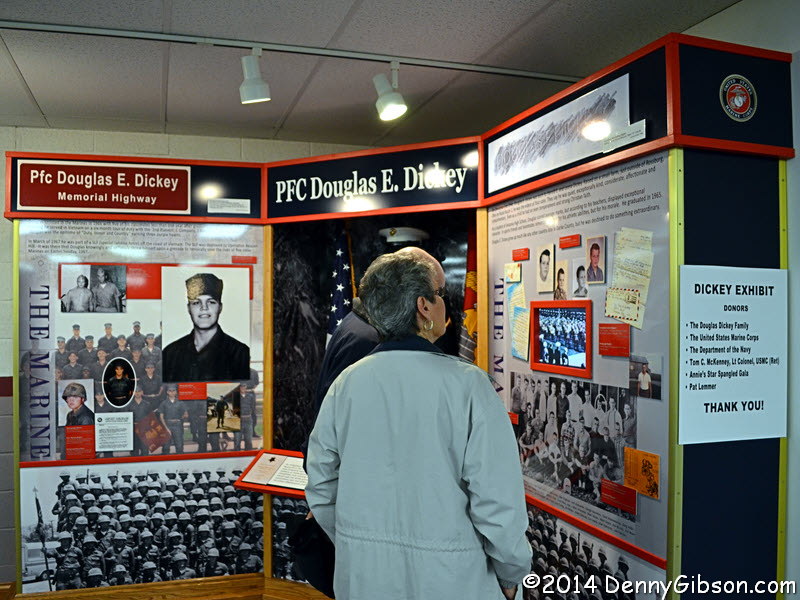
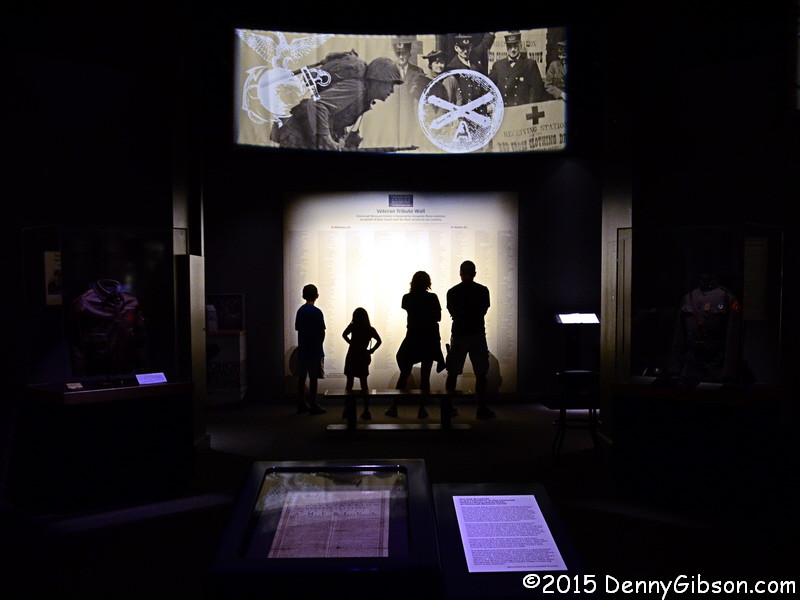
dougd1Doug Dickey was a classmate of mine. He has been mentioned before in this blog and in my trip journals. This entry is prompted by the dedication of a greatly improved museum exhibit organized around a newly acquired display-only copy of his Congressional Medal of Honor. That dedication took place on Friday, November 14, at the Garst Museum in Greenville, Ohio.

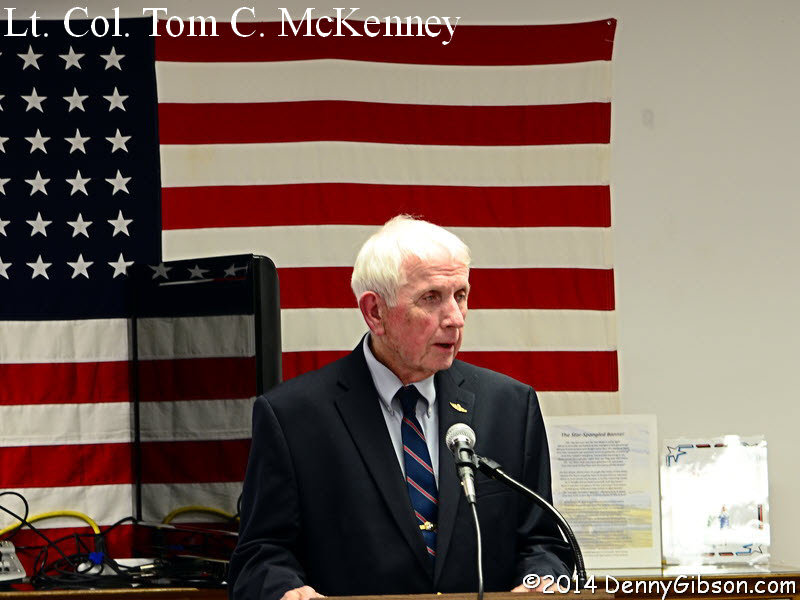
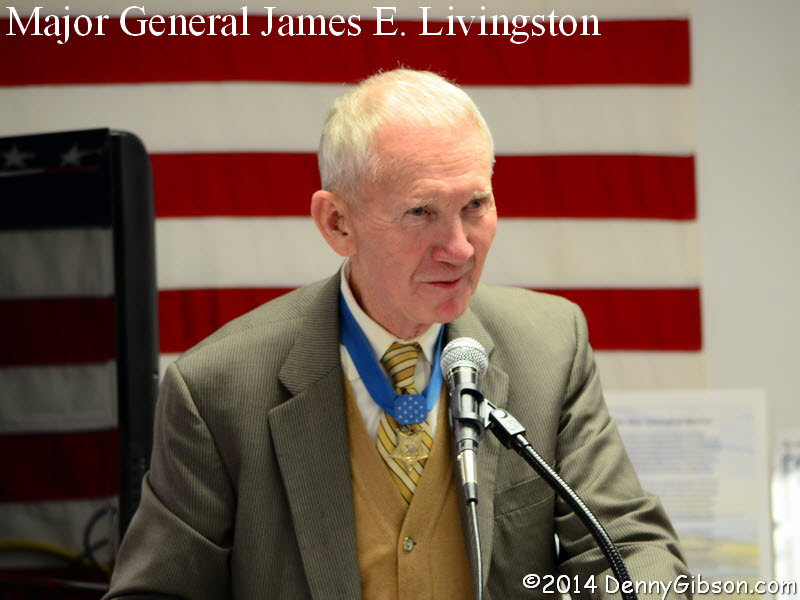
dougd3dougd2The featured speaker was Major General James E. Livingston, USMC (Retired), who is one of just 79 living Medal of Honor recipients. General Livingston’s speech was stirring and his presence certainly added to the prestige of the event but preceding comments from Lt. Col. Tom C. McKenney, USMC (Retired) were, in my opinion, more gripping. Neither man had ever met PFC Dickey but McKenney had heard his story back in 1968 and was instrumental in obtaining the Medal of Honor being placed on display. Some of the story he had heard all those years ago had stuck around in some corner of his mind. A visit to Darke County and hearing it again had pried that memory loose. He had heard the story from someone who was there and who had described the quick motion of Doug’s eyes from the grenade to a wounded and immobile soldier to the corpsman treating him to the platoon leader. Although the time it took to make his decision was hardly more than that involved in an instinctive reaction, there had clearly been a decision. There are other Medal of Honor citations that end, as Doug’s does, with the phrase “He gallantly gave his life for his country.” It’s quite clear that Doug did literally give his life and that he knew what he was giving. I’m pretty sure, though, that he didn’t give it so much for his country as for those individual human beings he barely knew.

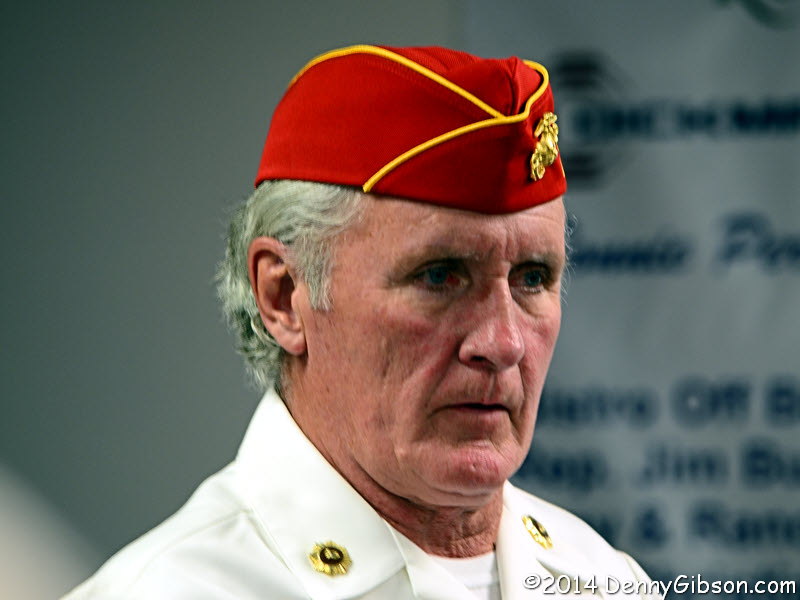
dougd4One of them was Greg “Doc” Long, the corpsman. He is, in fact, the only currently living member of the group that was in that crater. He did not speak during the ceremonies, only stood when McKenney introduced him, but I don’t think I’m alone in appreciating his presence most of all.

dougd7dougd6dougd5The event was well attended and the display is extremely well done. It includes glimpses of many aspects of Doug’s short life and a video, with footage from the 1960s and 1970s, that was shown as part of Friday’s program. Kudos to all involved.


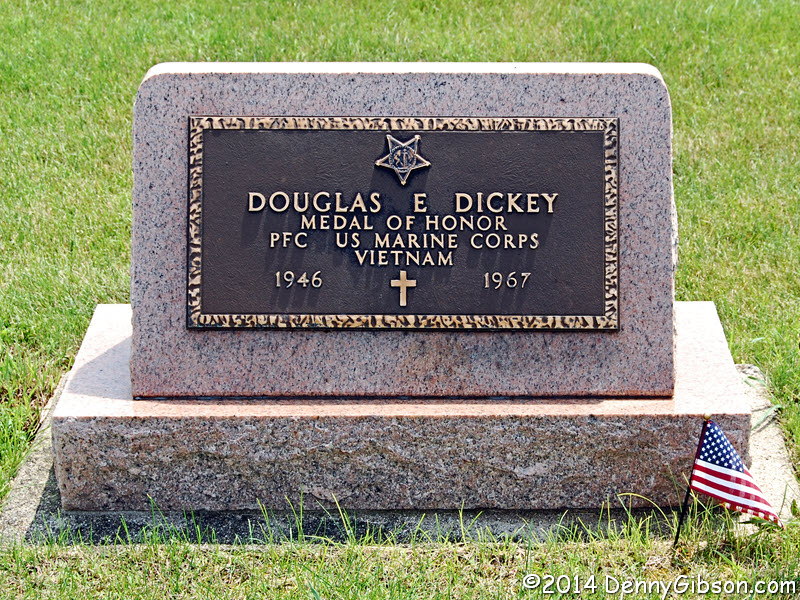
dougdaAddendum 18-Nov-2014: I hinted at other mentions of Douglas Dickey on this site but did not identify them. In correcting that oversight, I realized that I’ve not posted a photo of Doug’s grave anywhere. A photo of the grave marker is at right. The only other blog mention is here.

The following are trip journal references:


fwtwAnother Marine I know, along with a bunch of other folks, has been putting a lot of energy and sweat into a feature length movie helping some of today’s veterans tell their story. They have reached the point where their own sweat isn’t quite enough. Click on the picture to check it out and maybe chip in a few bucks if you can.

Addendum 3-Dec-2018: A recent email exchange brought me to this post and the realization that this fund raising effort had ended — successfully. The movie was released May 28, 2017. I reviewed it here

WACO Homecoming

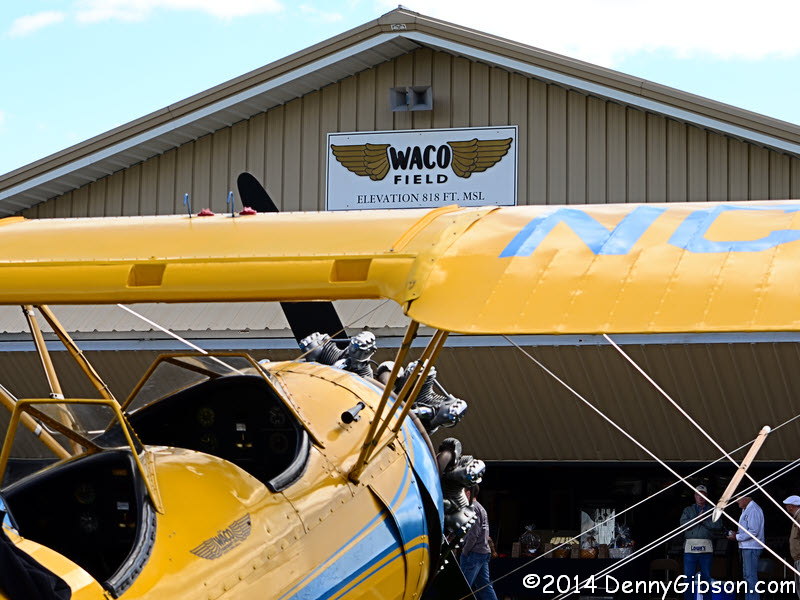
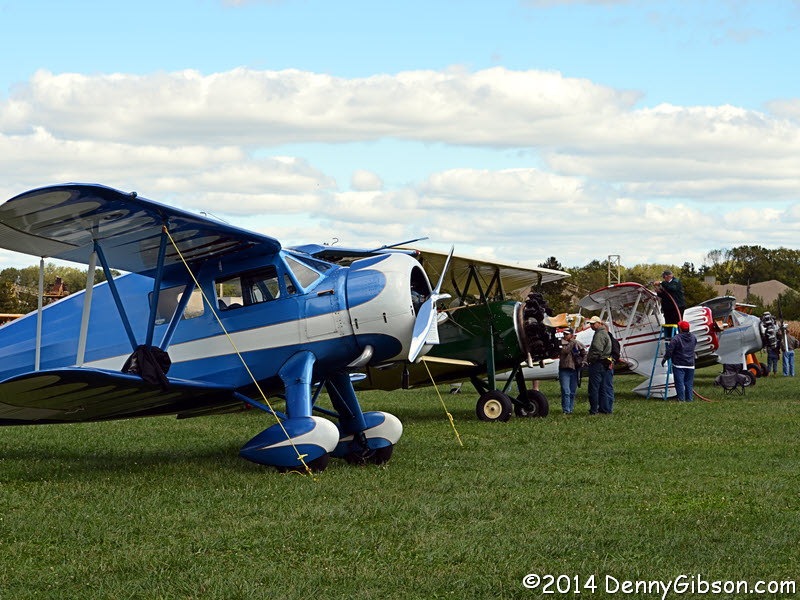
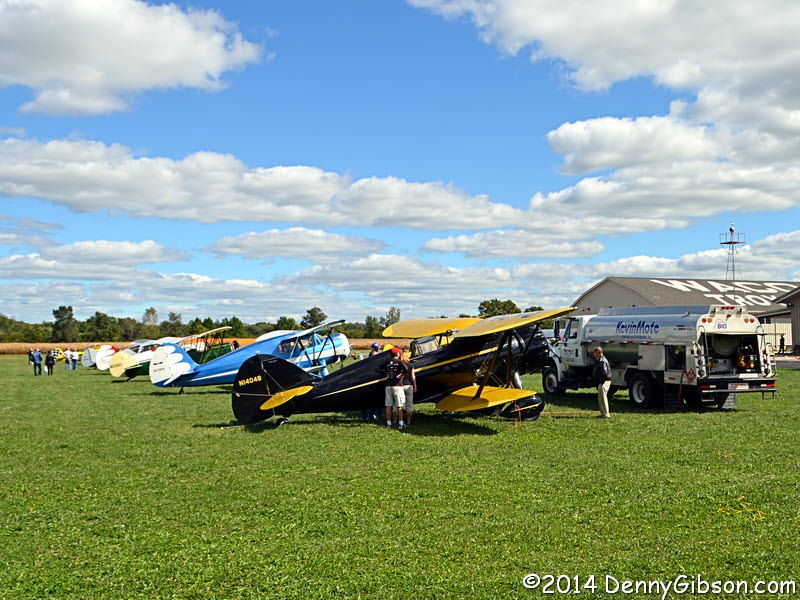
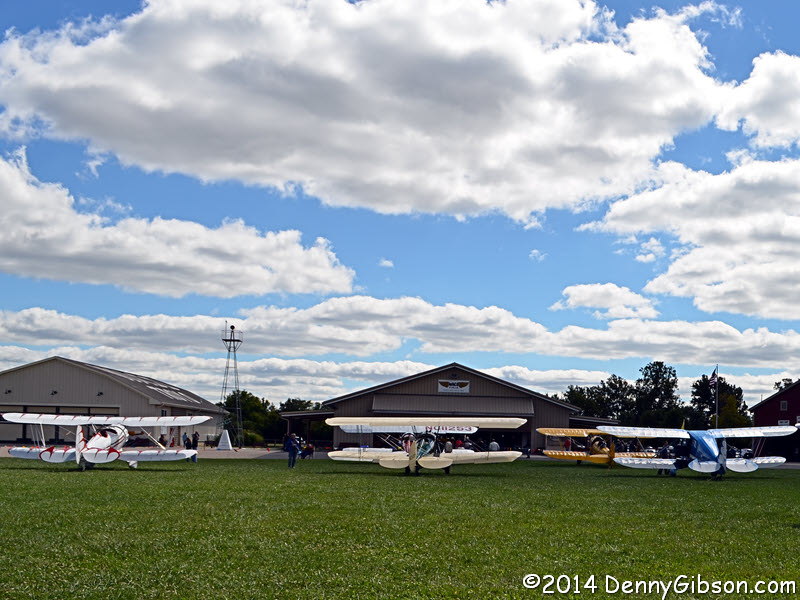
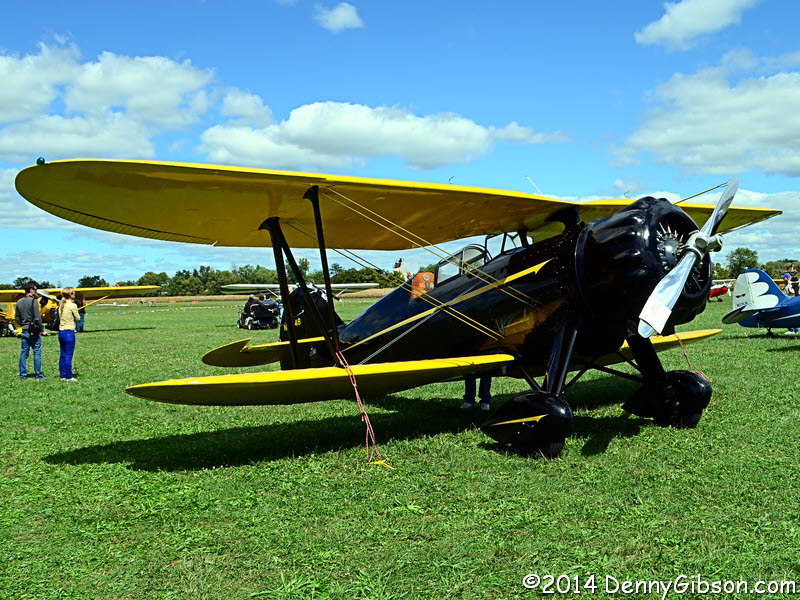
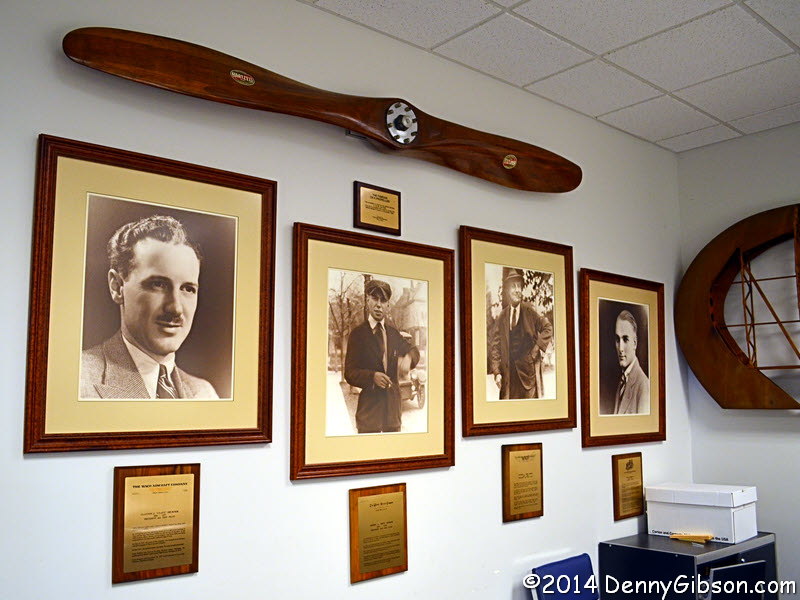
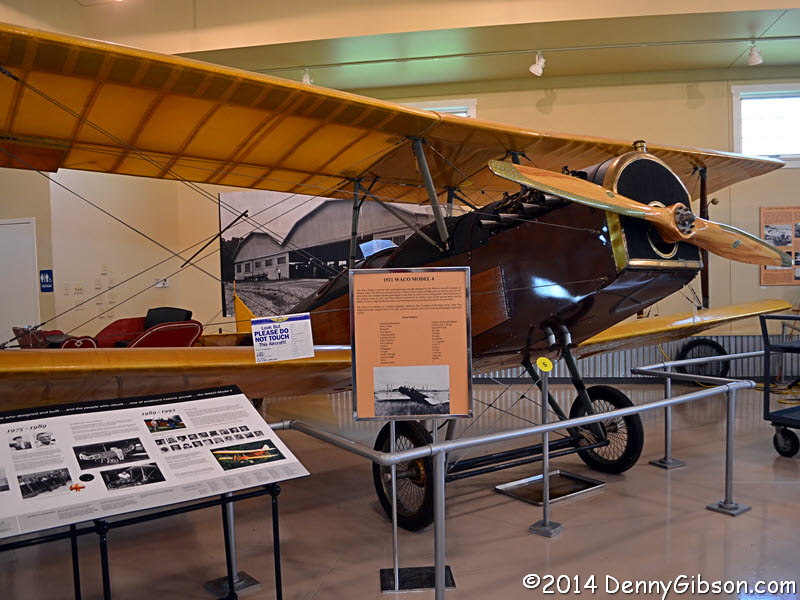
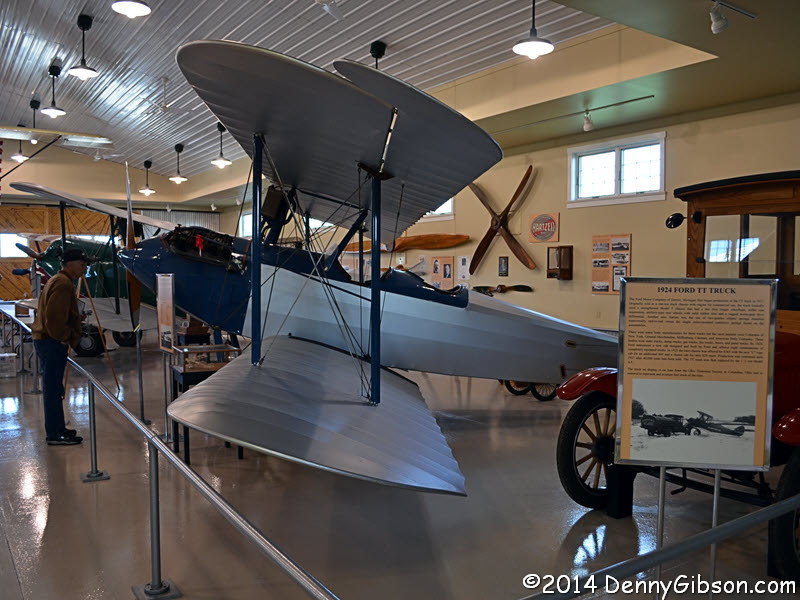
waco01Troy, Ohio, was once home to the most successful airplane manufacturer in the world. That manufacturer, WACO Aircraft Company, ceased production in 1947 but the city keeps the memories alive with Historic WACO Field at the south edge of town. A museum, learning center, and runway see action all year long but the annual fly-in brings in quite a bit of extra action, particularly for the runway. I attended this year’s fly-in on Saturday, the middle of its three day run.

waco02waco03waco04The dozen or so WACOs parked on the ground made a colorful and impressive display. I have the feeling that there were more of the planes here on my first visit to the fly-in in 2006 but I can’t quantify that and a dozen WACOs is still a lot of WACOs.

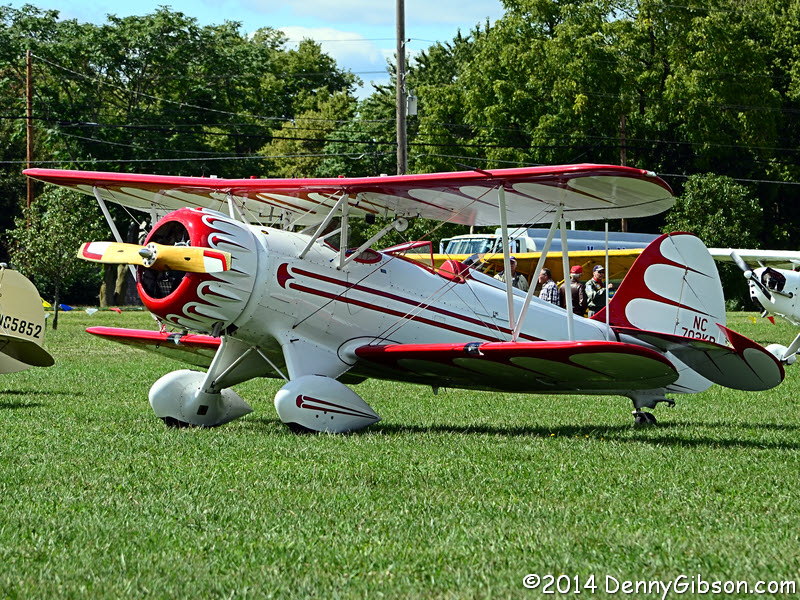
waco06waco05There were plenty of “don’t touch” reminders but attendees were otherwise free to walk among the airplanes for up close viewing. Only after I got home and started to prepare this post did I realize that it is likely that not all of those gorgeous planes I admired were vintage. It had somehow escaped me that the WACO Aircraft Corporation of Battle Creek, Michigan, started building reproductions of the WACO YMF in 1986. The reproductions have the word “classic” in their logo so I should have been able to easily identify them if I’d only known to look. On the other hand, it was probably better not knowing and believing that all those great looking machines were older than me.

waco07waco08waco09A tremendous increase in museum space since I was last here means that several airplanes, including some that were displayed outside in 2006, are now displayed under cover. Maybe that contributed, just a bit, to my sense of fewer WACOs on the field.

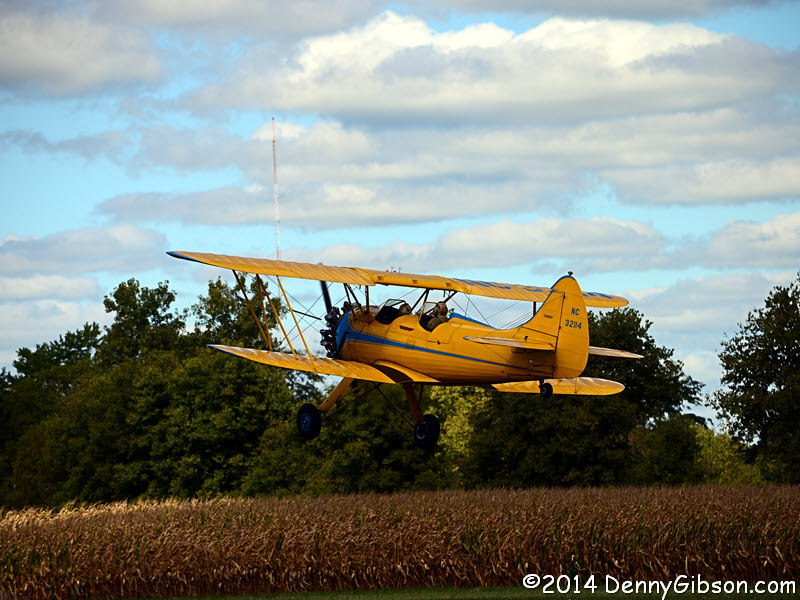
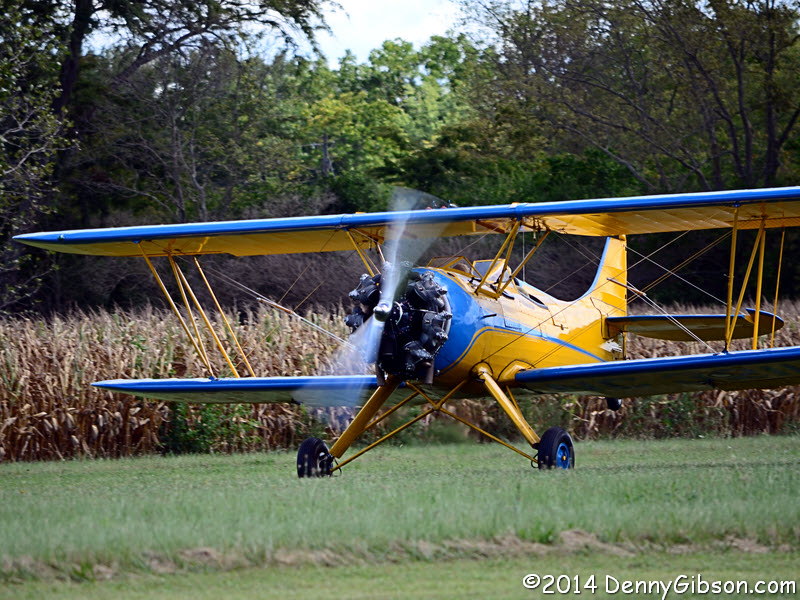
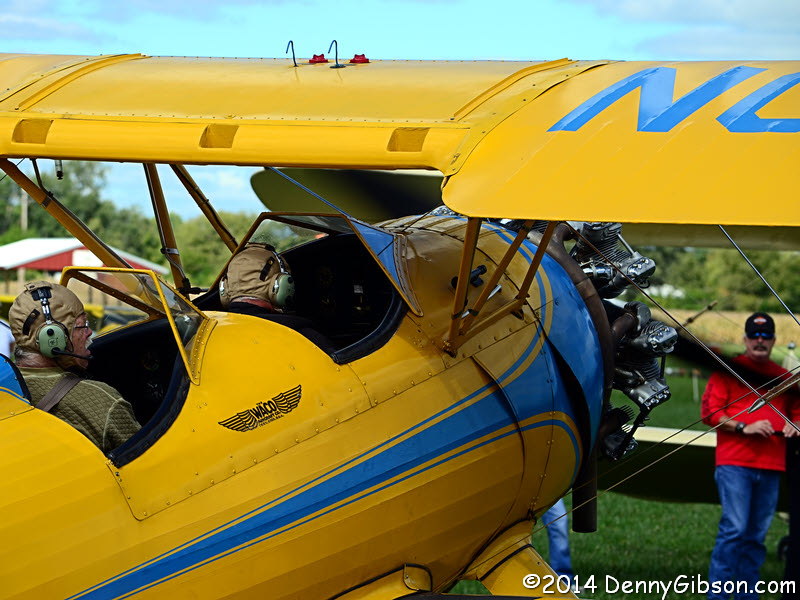
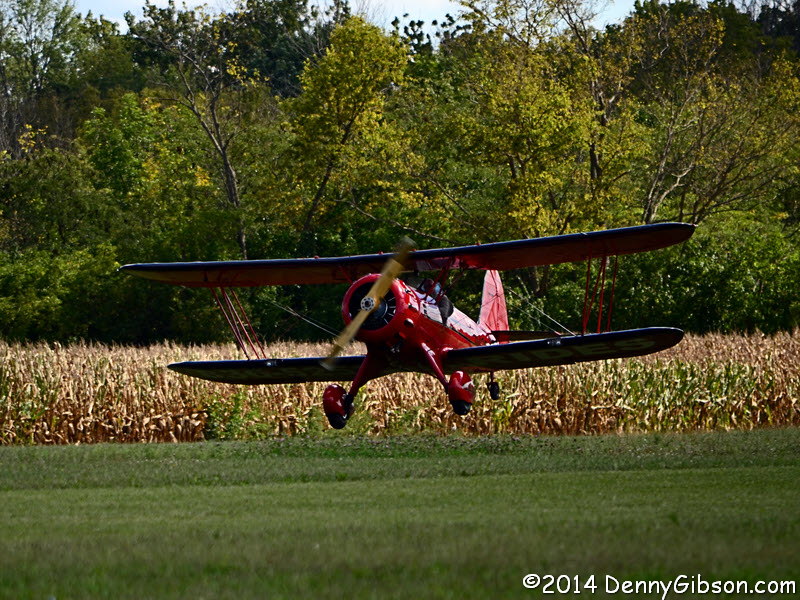
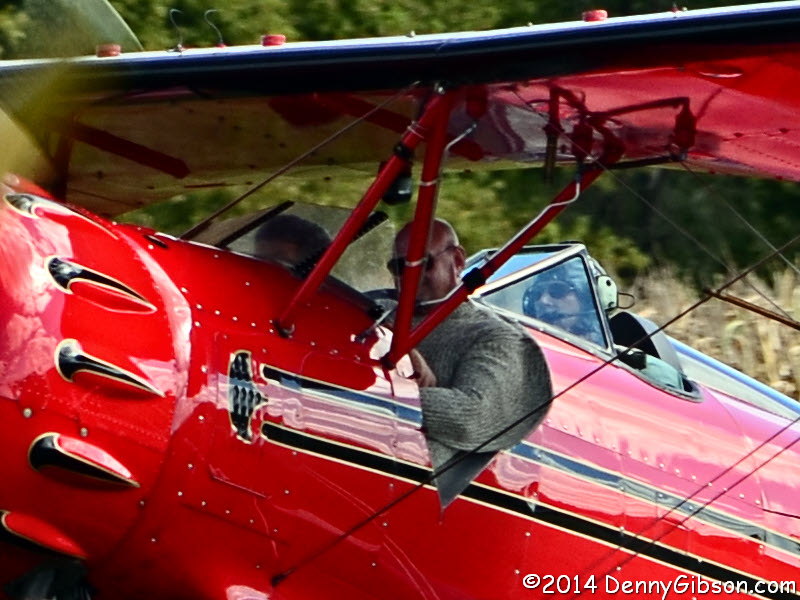
waco12waco11waco10A big attraction is the availability, for a fee, of rides in the open planes. Passengers, two maximum, sit in front of the pilot. These pictures show a vintage (no “classic” in the logo) WACO taxiing from its spot among the other aircraft, gaining speed down the grass runway, then smoothly rising above the corn. My guess is that that’s a buddy and not a paying passenger in the front compartment.

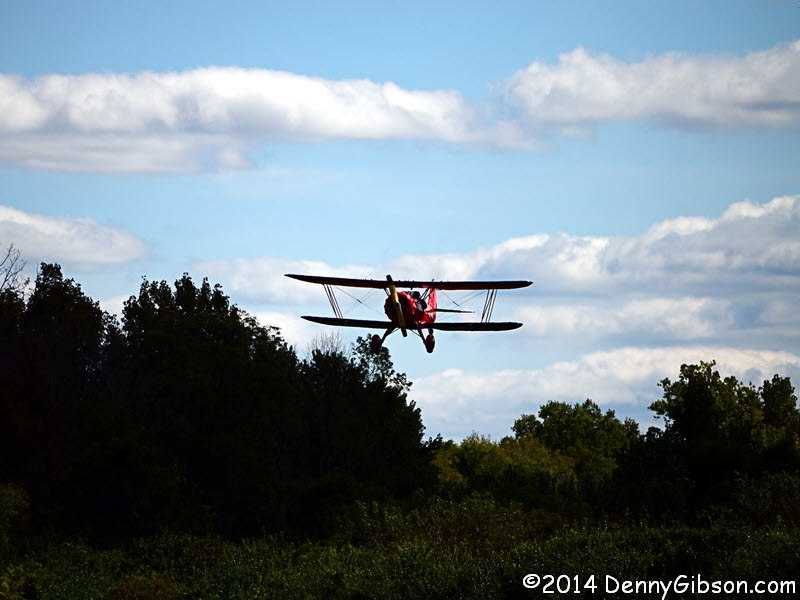
waco13waco14waco15I’ll close with a 1993 WACO Classic YMF (I learned that later.) coming in with a pair of happy customers, seat backs in the upright position, sitting up front.

Celebrating the Connection

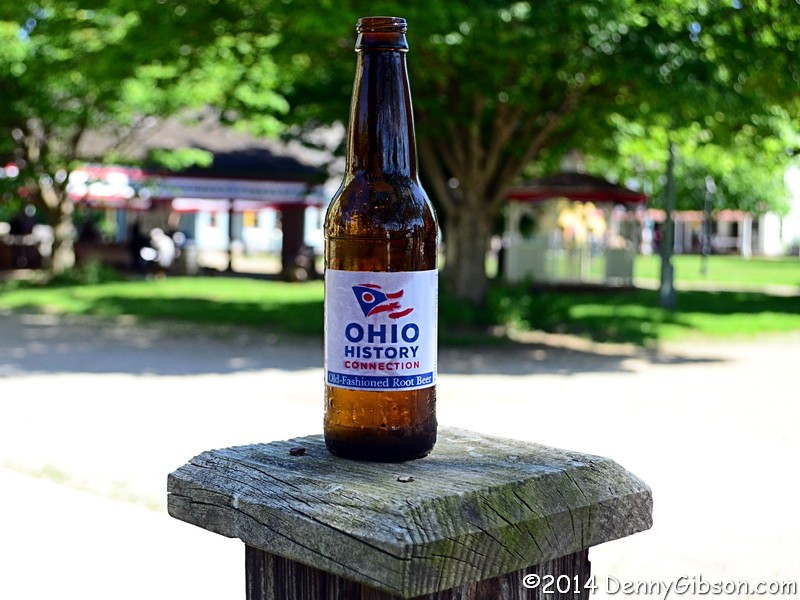
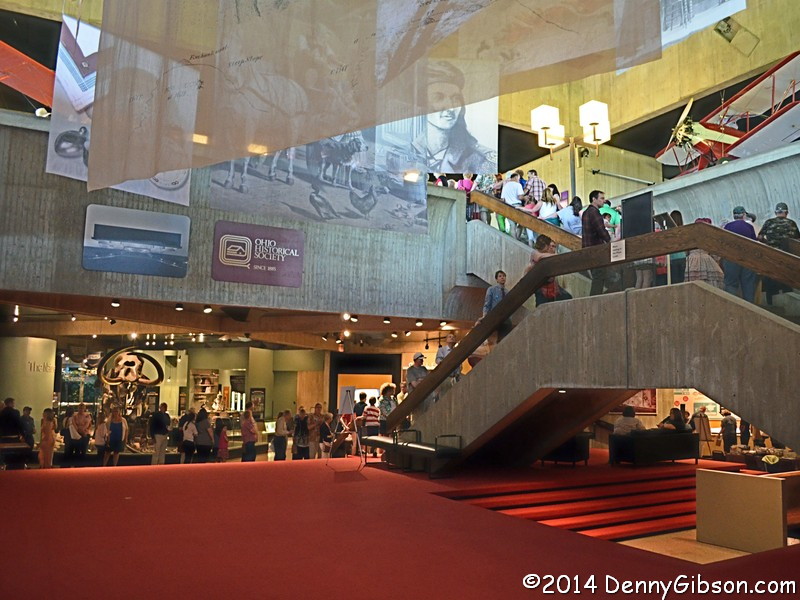
mcohc01Celebrating two weeks in a row. I’m in either a rut or a groove. Last week’s post was on my visit to the “Diana: A Celebration” exhibit in Cincinnati. This one is on my visit to a “Member Celebration” in Columbus on Saturday, May 24. This is the third such event for the organization though for the first two the celebrants were members of the Ohio Historical Society and they are now members of the Ohio History Connection. The first public use of the new name was part of the celebration.

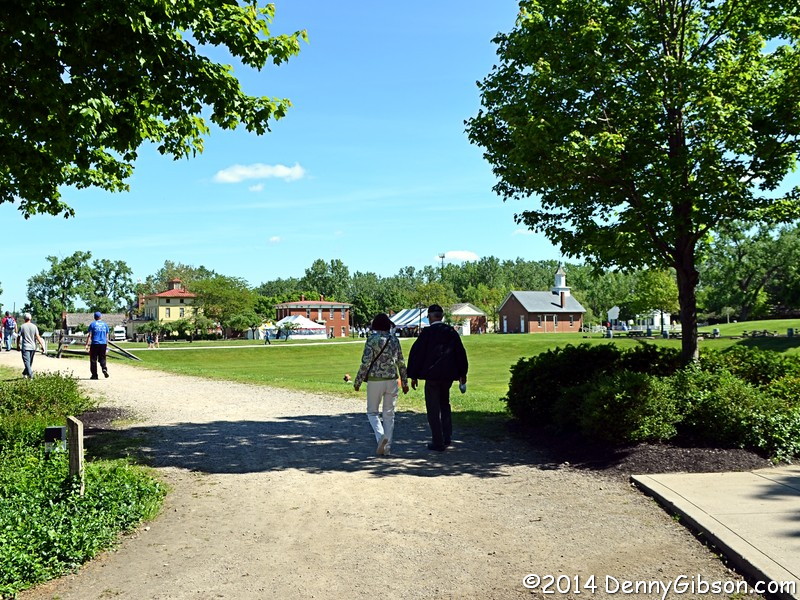
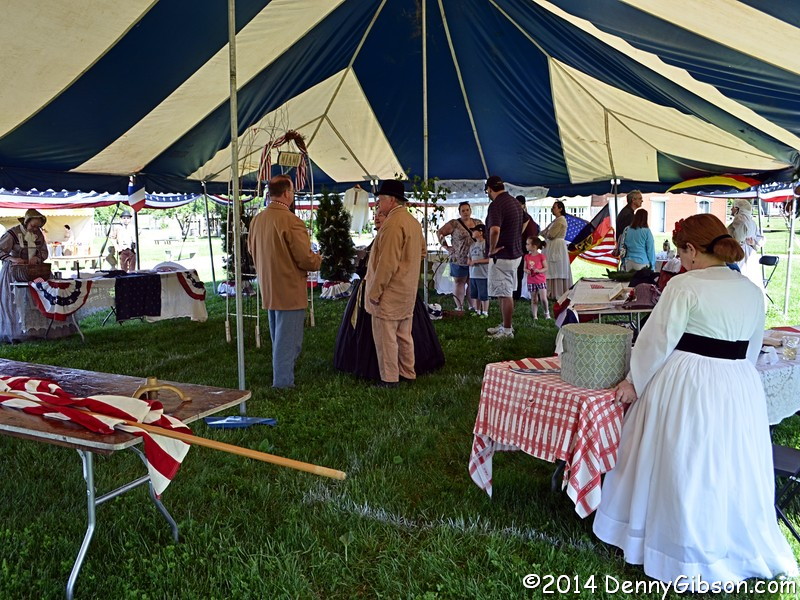
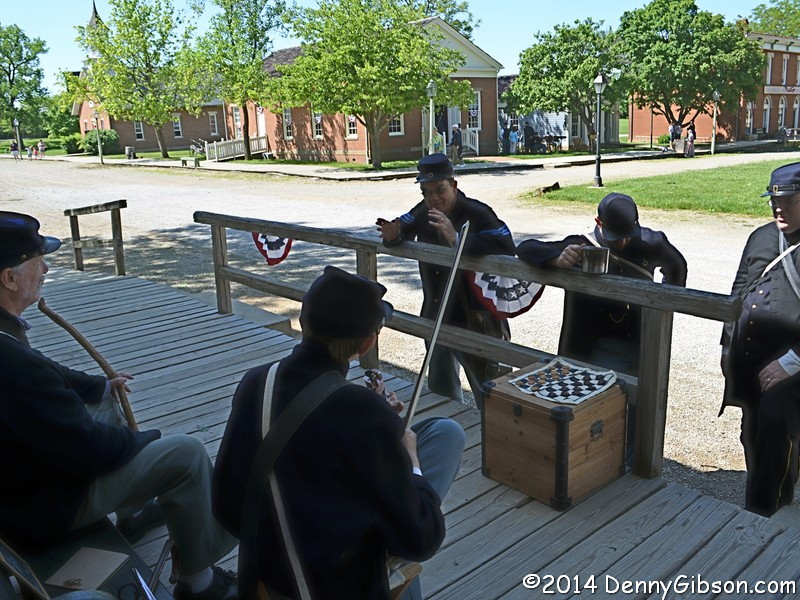
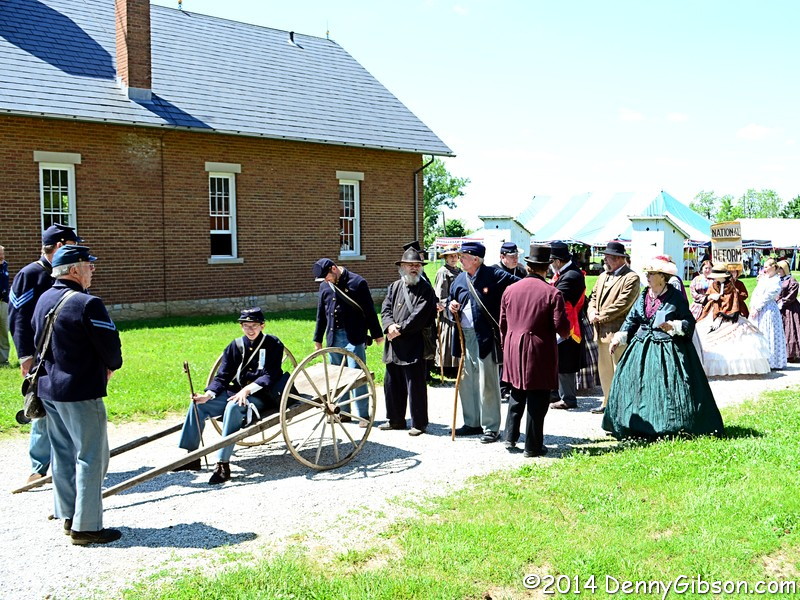
mcohc02mcohc03mcohc04The “Member Celebration” was at the Ohio History Center and coincided with the season opening of the adjacent Ohio Village which, in turn, coincided with the opening of a two day Civil War era Soldiers’ Aid Fair.

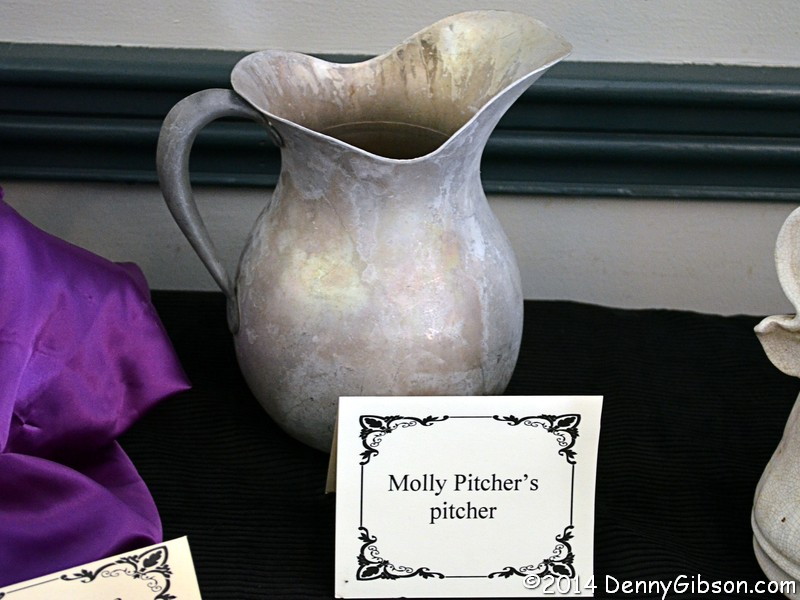
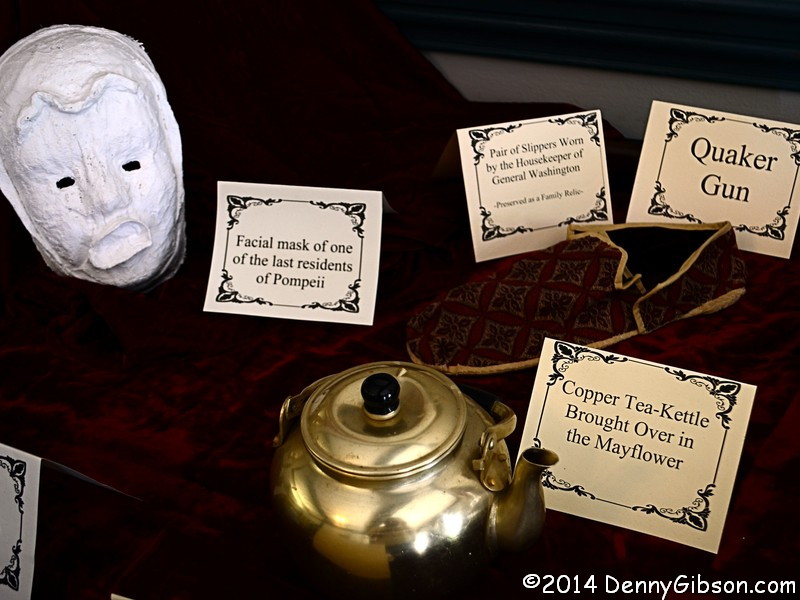
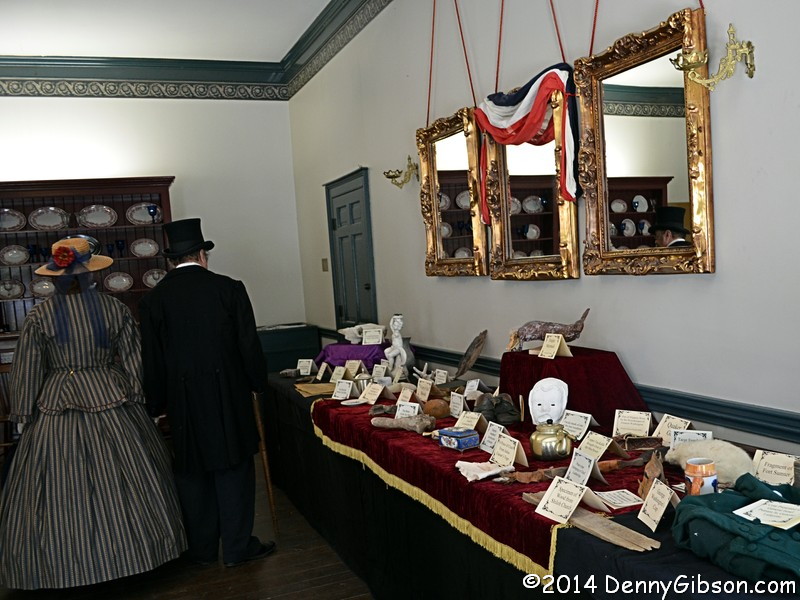
mcohc07mcohc06mcohc05This display of rare and exotic items may not have been the biggest or most highly promoted aspect of the fair but it was my favorite.

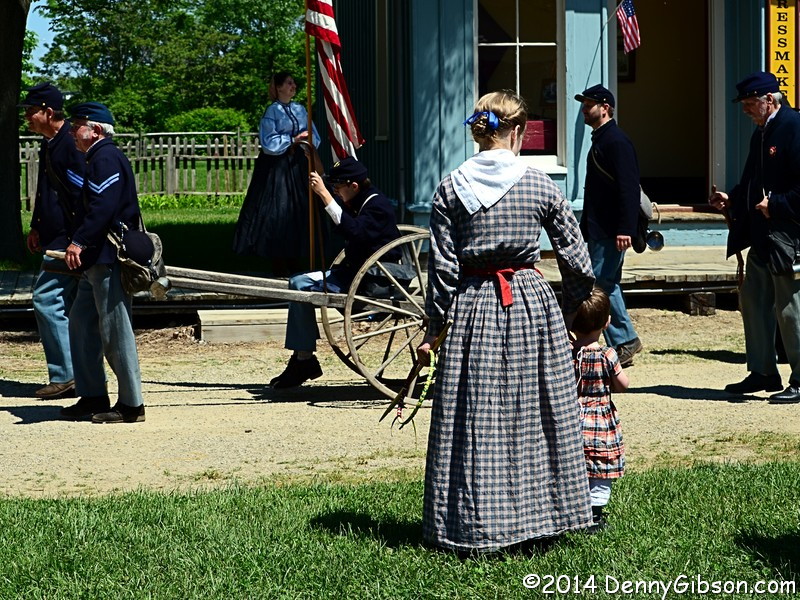
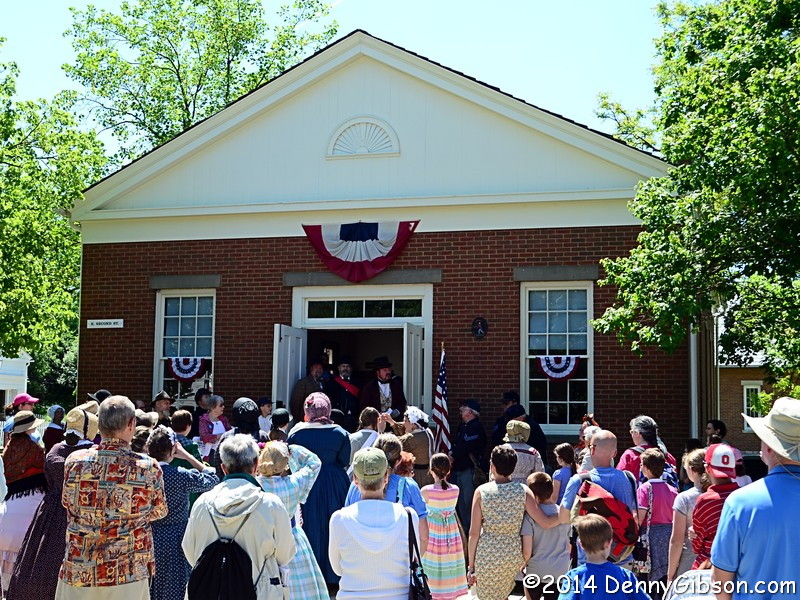
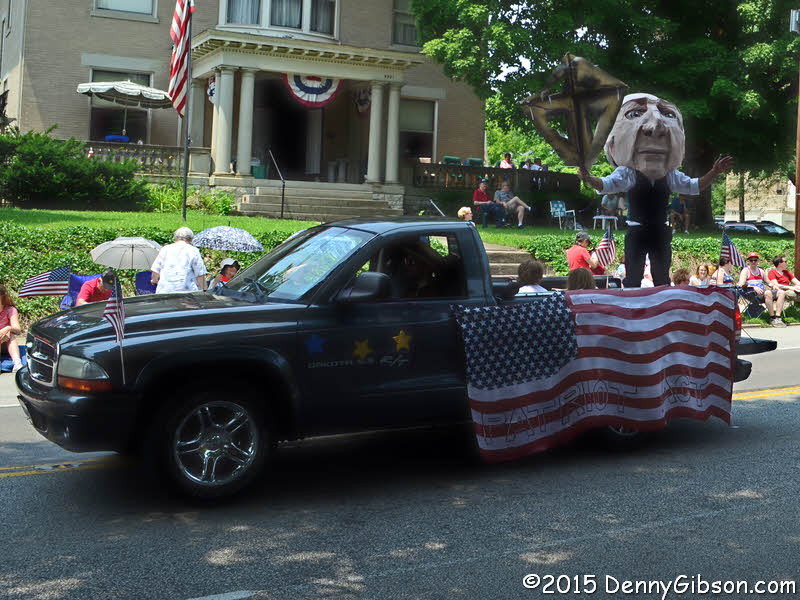
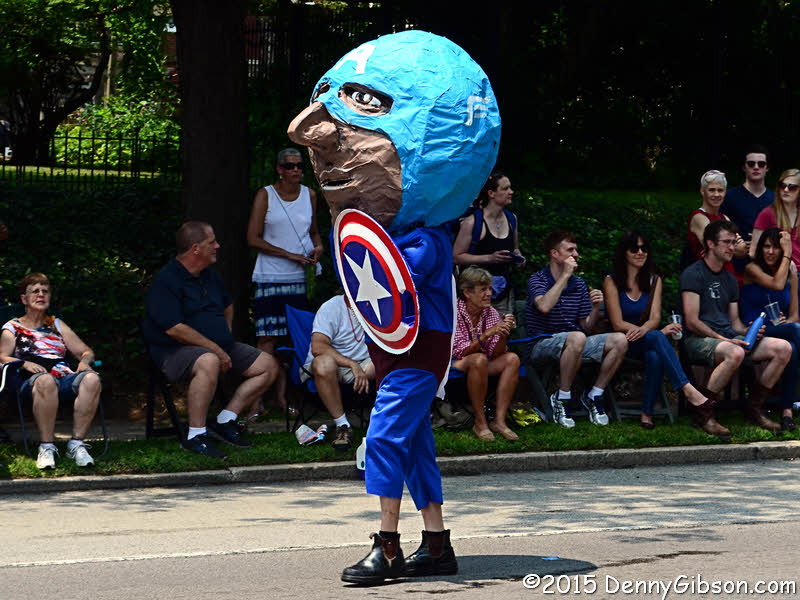
mcohc08mcohc09mcohc10Like many events at Ohio Village, a parade preceded an official opening proclamation. Weary and even wounded soldiers, presumably home on leave, joined in and helped elevate both patriotism and sympathy.

mcohc12mcohc11The celebration included a members only lunch but this is no small club. The picture shows part of the line, which I eventually joined, for the second seating. The closest things got to formal was a brief speech by Executive Director Bert Logan. There were thanks, of course, and something of an explanation for the name change. Although he didn’t use these exact words, the impression l have is that “Ohio Historical Society” often conjured up images of little old ladies and dusty old men sitting in dim parlors talking about old stuff. In surveys, “Ohio History Connection” created an image of something much more active and accessible. He pointed out that we not only need to preserve things for future generations but make those things available and interesting and understandable for future generations. Judging from the number of youngish folks both attending and participating, it seems Ohio’s history outfit is doing a pretty good job whatever the name.

Celebrating Diana

diana-1I wavered on going to see Diana: A Celebration at the Cincinnati Museum Center. The Center attracts some of the world’s best traveling exhibits and I generally make a point of taking them in. Some, like the Dead Sea Scrolls, I start planning to see as soon as I learn of them. Others, even though I fully intend to see them, I just sort of work in “whenever”. Until something reminded me of it on a rainy and idle day, I wasn’t even sure that I would be attending this particular exhibit.

My lack of commitment was not due to any dislike for Princess Diana. In fact, I think she probably did as much for the good of the world as any public figure of her time and a lot more than most. I simply don’t have much interest in royalty in general and nothing in the description of this exhibit aroused much interest in it. Gowns and jewels were not the only things on display but they are what advertisements and descriptions mentioned the most. To be fair, the relatively small amount of time that separates Diana’s life from the present no doubt has a lot to do with my lack of interest. I couldn’t wait to attend the Cleopatra exhibit in 2011 and I’m sure I’d eagerly work a display based on Queen Victoria or Catherine the Great. Of course, those women were all rulers while Diana was not and that may have as much to do with it as time.

I think a desire to not regret not going was a large part of my decision to go. I went and enjoyed it enough to not regret going. The exhibit and my level of enjoyment were pretty much what I expected. The only surprise was the demographics of the other attendees. A young man scanned my ticket at the entrance. About halfway through, I encountered an older fellow wearing a museum ID badge who seemed to be doing some sort of status check on some of the displayed items. At roughly the same time I spotted a guy listening to one of the optional audio guides along with a woman I took to be his wife. I saw something on the order of fifty attendees as I made my way through the exhibit. Only two of approximately half a hundred patrons were male and only one — me — was certifiably there of his own volition. In hindsight, perhaps I should have anticipated that but I hadn’t. Clearly, the trappings of a princess are of much greater interest to those who are at least physically qualified to become one than to those who are not.

diana-2No photos are allowed in the Diana exhibit. The picture at left is from the companion exhibit, Daughters of the Queen City, which honors women noted for their charitable work in and around Cincinnati. Among the women featured were Louise Nippert, Mary M. Emery, and Patricia Corbett whose names even I recognize. Diana: A Celebration and Daughters of the Queen City continue through August 17.

diana-4diana-3While at the museum, I took in two other temporary exhibits. Medicine, Marbles and Mayhem displays items retrieved from 19th century privies. Aside from their intended purpose, privies were used to dispose of just about anything and many details of life in in the good old days can be learned through “outhouse archaeology”. Medicine, Marbles and Mayhem runs through May 26.

diana-5diana-6Treasures in Black & White: Historic Photographs of Cincinnati is quite accurately described by its title. At the risk of angering princesses everywhere, I have to say that this is what I enjoyed most on this museum visit. Every photo depicts something important from Cincinnati’s past plus many of them work as pure art. Some artifacts, such as a Ruth Lyons guest book, augment the photographs. The book is displayed near a photograph of Liberace signing it and opened to show his entry. Treasures in Black & White runs through October 12.

Planes and Things

sam26000_extOn Friday, November 22, 2013, a friend and I visited the National Museum of the US Air Force near Dayton, Ohio. Among the many historic items on display is the Boeing VC-137C that carried John F Kennedy to and from Dallas, Texas. The two pictures below were taken of the same general area of the plane just a few hours shy of fifty years apart.

johnsonsisam26000_int

drgobs-2drgobs-1Another museum display recently in the news is associated with the Doolittle Raiders. A “Last Man Standing” pact had been established in which the last surviving Raider would drink a toast to all those who had gone before him.On the most recent anniversary of their 1942 bombing run over Toyko, the last four living Raiders decided not to wait but to have their final public reunion and drink their toast now. That toast took place at the museum on November 9 and can be seen here. Their eighty silver goblets, with the seventy-six belonging to diseased Raiders standing up side down, are displayed at the museum. My report on last year’s 70th reunion is here.

Trip Peek #12
Trip #75
Madonnas and Signs

Foot Print Rock, National Road, OHThis picture is from my 2009 Madonnas and Signs road trip. This was a short trip organized for a small group of friends. On the first day, we drove from Richmond, Indiana, to Springfield, Ohio, on the National Road then to Lebanon, Ohio, primarily on US-68 and US-42. The “Madonnas” in the title refers to the Madonna of the Trail monuments in Richmond and Springfield. The “Signs” in the title comes from the American Sign Museum which we visited on the second day. Since I was acting as a guide and the places we stopped were familiar to me, my journal for the trip is fairly sparse. Other folks on the trip took a lot more pictures than I did.


Trip Pic Peeks are short articles published when my world is too busy or too boring for a current events piece to be completed in time for the Sunday posting. In addition to a photo thumbnail from a completed road trip, each Peek includes a brief description of that photo plus links to the full sized photo and the trip journal it is from.

Trip Pic Peek #11 — Trip #24 — East End of 62

1940s Flashback

Cincinnati Museum Center 1940 WeekendCincinnati Museum Center held its first “1940s Day” in 2011. It became “1940s Weekend” in 2012 and is again a two-day (Aug 10 & 11) event this year. The Museum Center occupies Union Terminal, which saw its heaviest use in the 1940s. It opened in 1933 with a capacity of 17,000 passengers per day; A number that not only seemed adequate but, with rail travel already on the decline, major overkill. It was World War II, of course, that changed that. The terminal became a hub for the movement of troops, and as many as 34,000 passengers, twice as many as it was designed for, passed through it daily.

Cincinnati Museum Center 1940 WeekendCincinnati Museum Center 1940 WeekendThough it doesn’t completely ignore them, “1940s Weekend” doesn’t focus on the horrors and hardships of the war years but on the bright spots they contained and the brighter years that followed. Music figured into many of the bright spots both then and now. The Jump ‘n’ Jive Show Band and several guest vocalists kept energetic attendees jumping, and the Sweet and Lows roamed the building with their wonderful harmonies. The picture shows an “on location” performance of The Trolley Song (a.k.a., Clang Clang Clang went the Trolley). The Sweet and Lows perform both days, but the Jump ‘n’ Jive Show Band gives way to the P & G Big Band on Sunday.

Cincinnati Museum Center 1940 WeekendCincinnati Museum Center 1940 WeekendCincinnati Museum Center 1940 WeekendThe rotunda was filled with vendors of, mostly, railroad memorabilia, and there were demonstrations of some of the grooming procedures of the day. The theater showed newsreels that were post-war or at least post-V-E Day. The picture I’ve posted is of General Eisenhower praising the rank and file members of every military branch for their war contributions. I also attended two live presentations in the theater.

Cincinnati Museum Center 1940 WeekendCincinnati Museum Center 1940 WeekendThe first was a recreation of an episode of the Seckatary Hawkins radio program. Seckatary Hawkins was the creation of Covington, Kentucky, native Robert Franc Schulkers. The mystery-solving character first appeared in 1918 in the Cincinnati Enquirer, then in novels and a radio program. Initially, the show was done in Cincinnati by Schulkers and friends and family, but it soon moved to Chicago, where professional actors filled the roles. Following the presentation of a little history, a volunteer cast was assembled and a fine performance delivered. The once huge Seckatary Hawkins Fair and Square club has been revived, and you can join for free. I did.
Cincinnati Museum Center 1940 WeekendThe second presentation stepped away from music and laughter. For the first time, each day of the weekend will feature a Holocaust survivor presenting their own story. Today’s speaker was Werner Coppel, who had been sent to Auschwitz-Buna as a teenager. He subsequently escaped during a death march. I have seen movies and read books and have had other personal Holocaust stories told to me directly, but none more insightful or delivered as articulately as what I heard today. Calling it a highlight may seem strange, but that’s what it was for me. There is a short video of a previous Werner Coppel talk here. Henry Fenichel will share his story on Sunday. He can be seen in a video here.