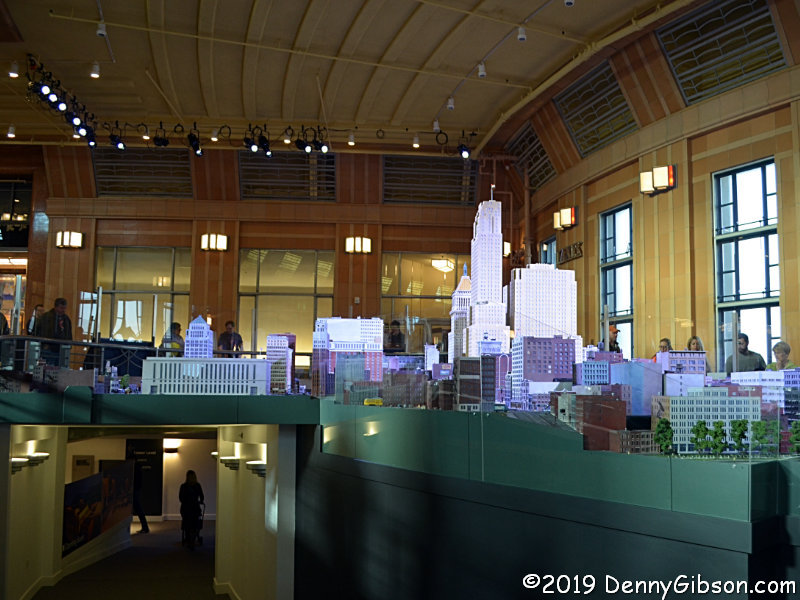
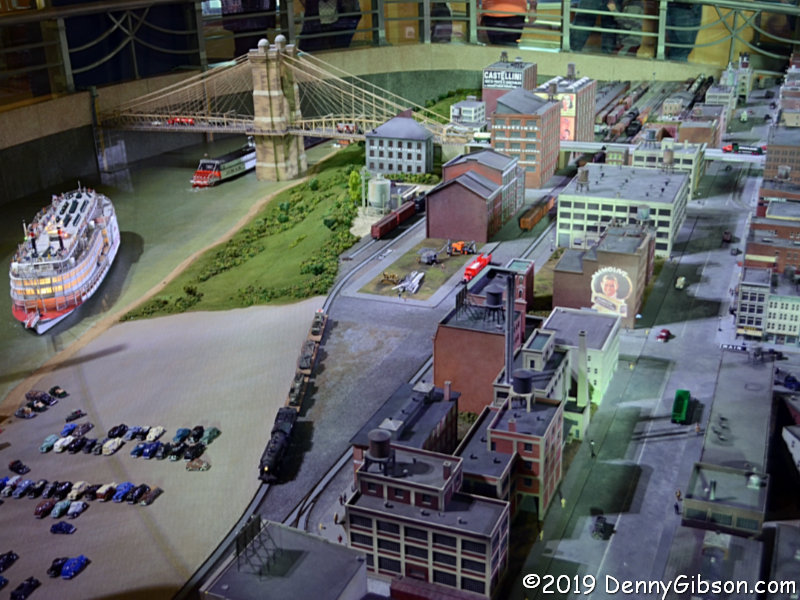
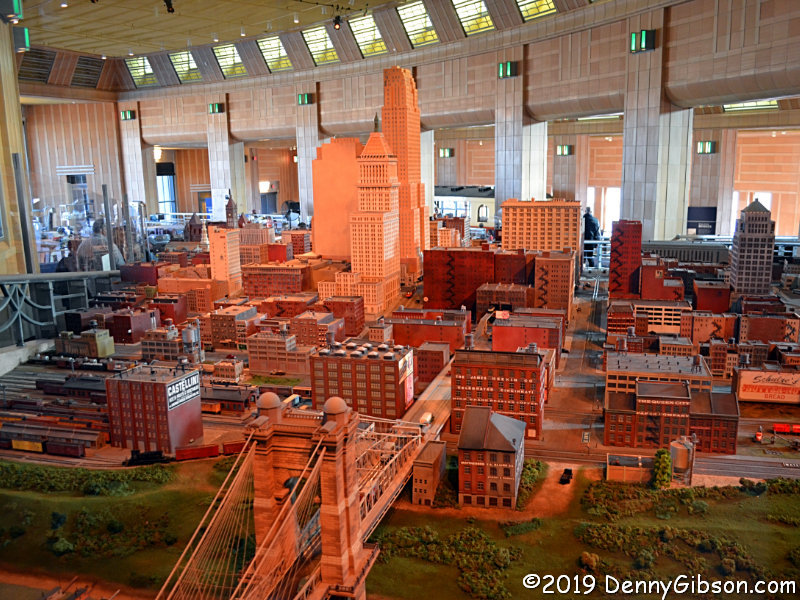
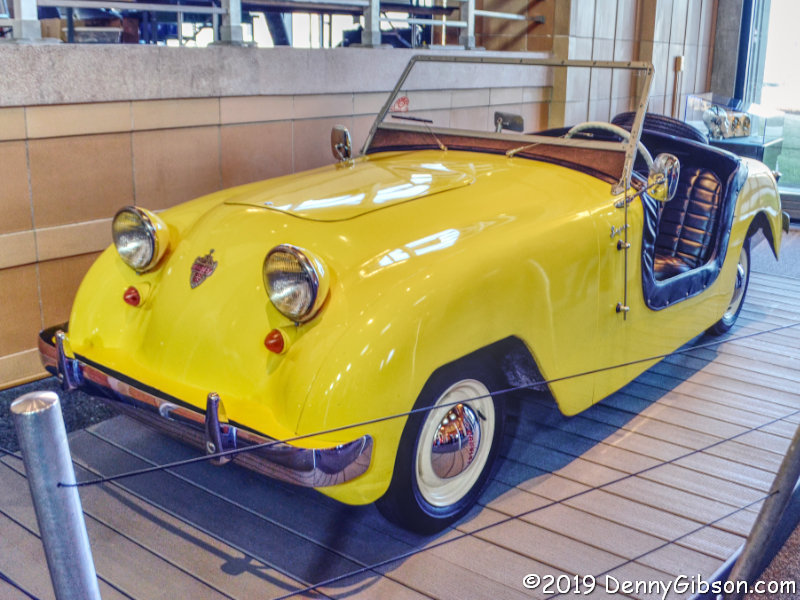
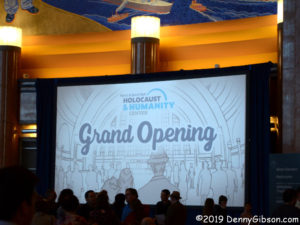
 The Cincinnati Holocaust and Humanity Center reopened in its new location last Sunday on the 74th anniversary of the liberation of Auschwitz. I had seen the space it moved into on a “hardhat tour” during the Cincinnati Museum Center’s members’ preview in November. At the time, I noted my failure to visit the center in its current location, despite it being on my list and relatively near my home. I once again resolved to get there “before they start carrying stuff out” but I failed. I tried after about a week had passed, but it was already too late. The move had already begun and the operation at Rockwern Academy in Kenwood had already closed.
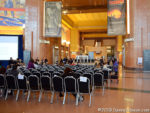
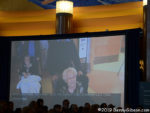
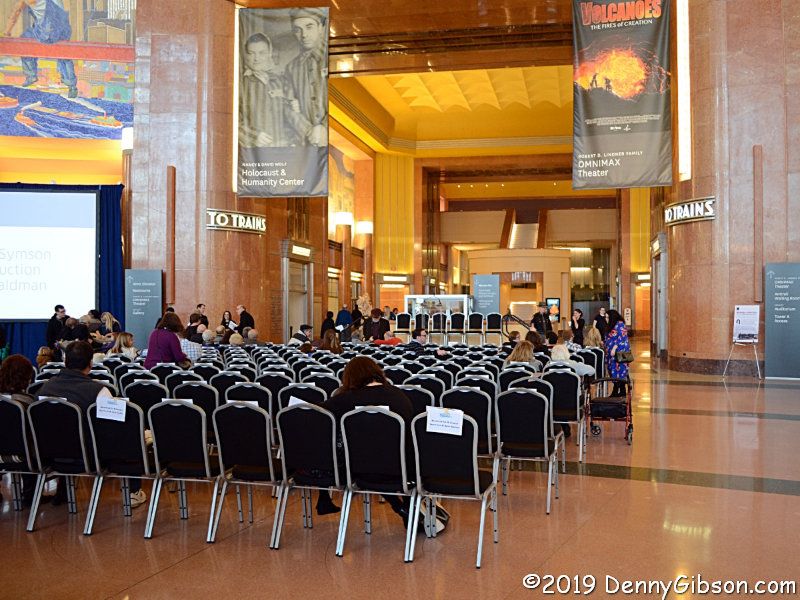
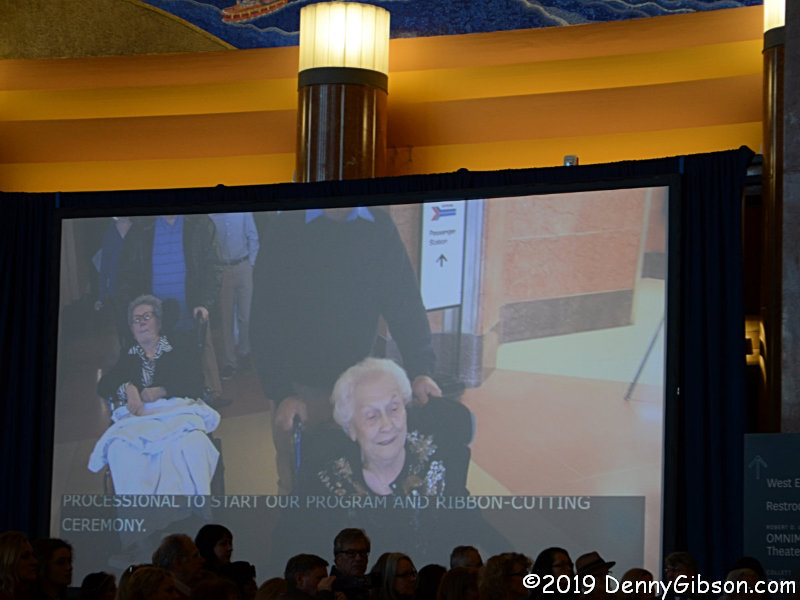
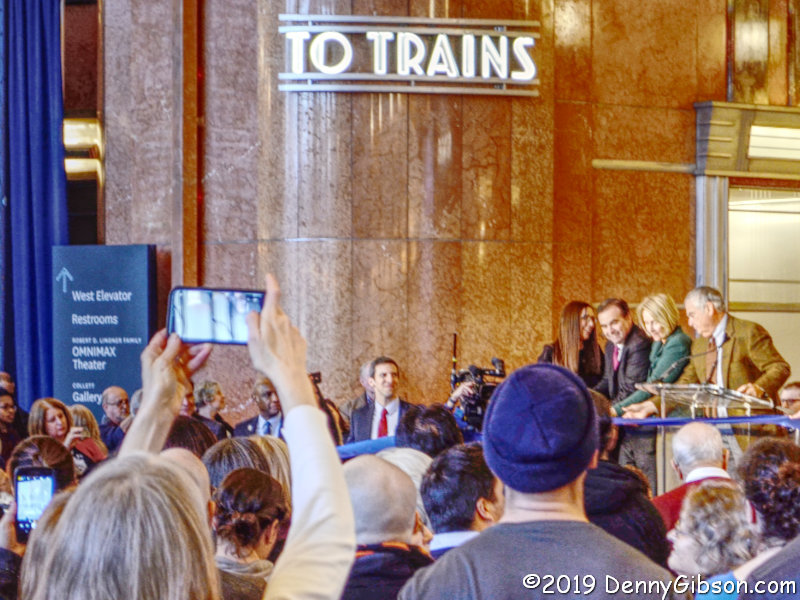
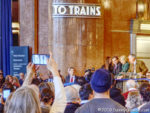 I would not get inside the Center today, either, but it wasn’t because I was too late. I arrived about half an hour before the 1:00 opening ceremony, when the space around chairs provided for holocaust survivors and family members was wide open. I could have staked out a spot right next to them but didn’t. By the time the procession of survivors and descendants began, my best view was via the giant screens at either side of the stage. The processional was quite moving, not only for those participating or watching familiar faces enter the rotunda, but for folks like me who recognized no one. Some in the procession may have been experiencing memories of when they first saw Union Terminal. This was where many people escaping Europe or recently freed from Nazi concentration camps arrived in the 1940s to begin a new life in Cincinnati. The last picture shows the center’s Executive Director, Sarah Weiss, cutting the ceremonial ribbon along with Cincinnati Mayor John Cranley and Nancy and David Wolf, for whom the center is named.
Entry to the Holocaust and Humanity Center was free on Sunday via time stamped tickets. I doubt that people were actually being forced out of the center after fifteen minutes, which was the interval on the tickets, but it was pretty obvious that this was not the day for a leisurely stroll through the exhibits. I thought it absolutely wonderful that the opening had attracted so many people, but quickly decided to take advantage of one of the perks of being retired and come back sometime during the week.
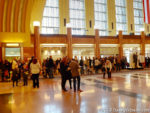 Incidentally, the HHC opening wasn’t the only thing bringing people to the museum center on Sunday. The picture at right, taken long before the crowd appeared for the opening ceremony, shows a line of people stretched across the front of the rotunda waiting to get museum and movie tickets. There probably wasn’t a lot of overlap with the HHC crowd; Most of the groups in line included young children. I noted in my post about the theater reopening that families with school-age children were flocking to the renovated Union Terminal during the holiday break, and it looks like that flocking continues on weekends. I bet it’s the dinosaurs.
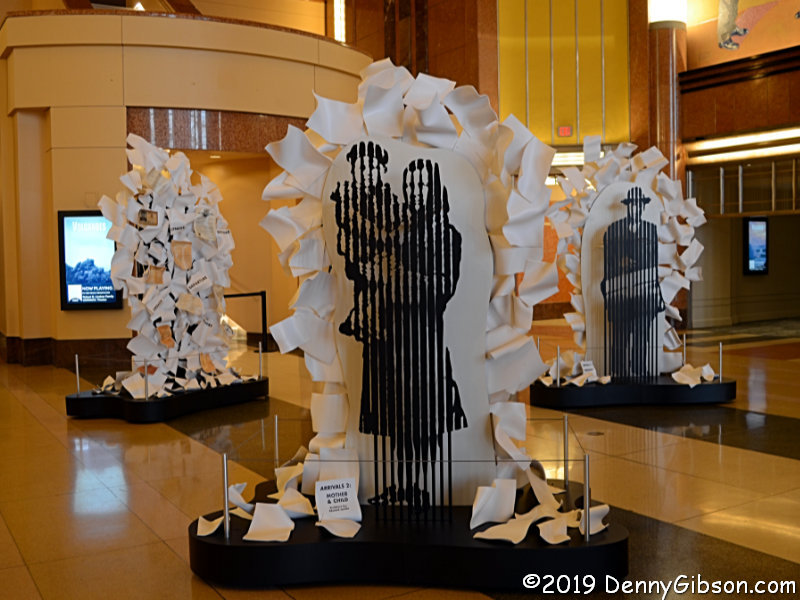
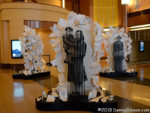 I made it back on Tuesday. Entry to the Holocaust and Heritage Center is not included in Cincinnati Museum Center membership, but tickets are sold through the CMC kiosk in the rotunda and there is a discount for CMC members. These sculptures were at the front of the rotunda and usually surrounded by people on Sunday. At present, they are near the stairs leading down to the HHC. The HHC is right next to where the Cincinnati History Library and Archives were and will be. The library closed in 2016 along with the CMC and has not yet reopened.
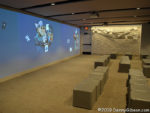
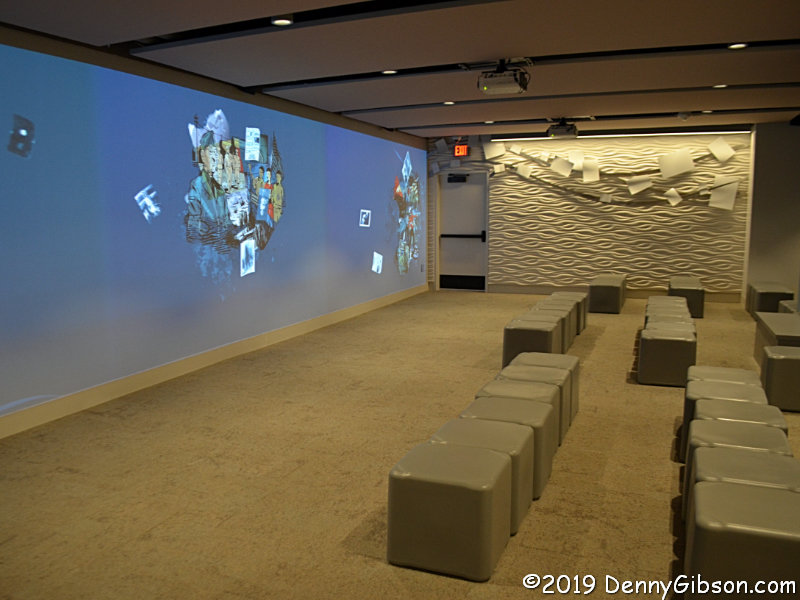
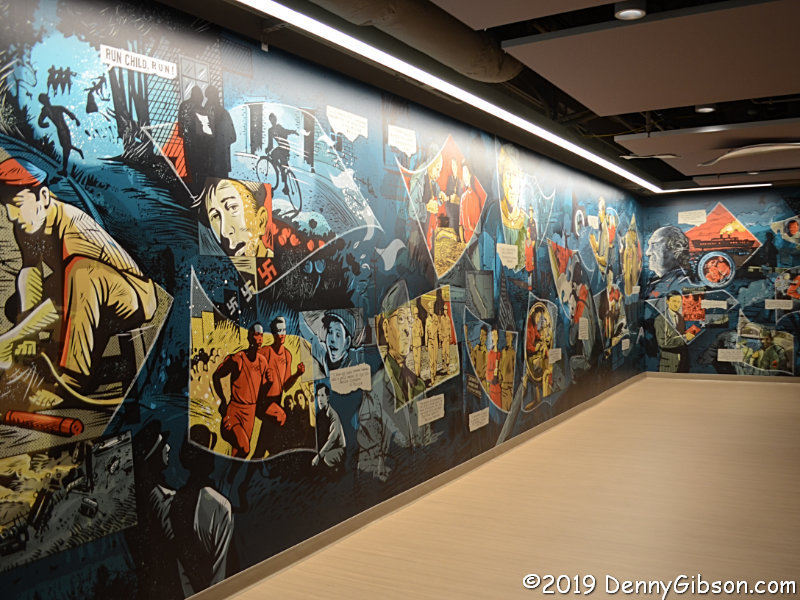
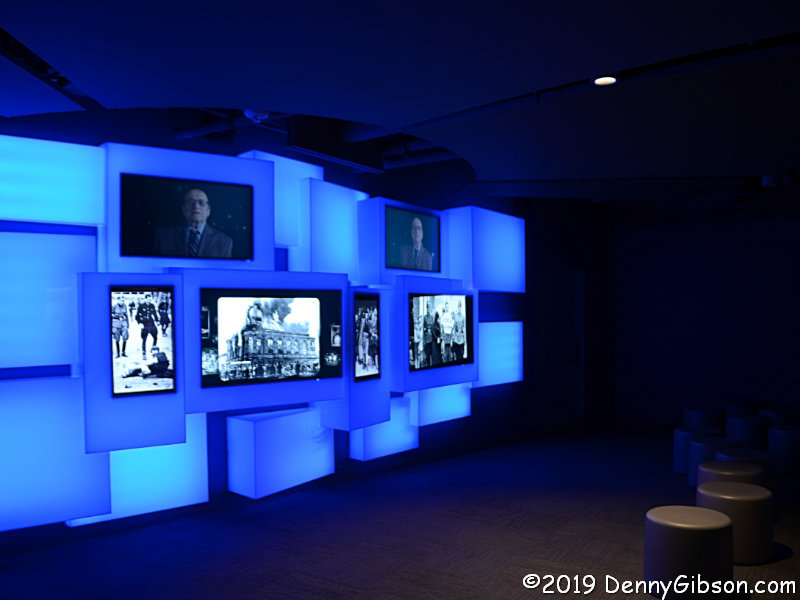
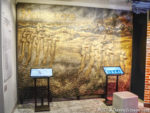
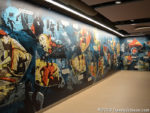 We were given a peek at a small portion of this mural on that November “hardhat tour”, and I had been looking forward to seeing the whole thing. It didn’t disappoint. The 63-foot mural covers more than one wall of the center’s lobby area. I had some time to look it over as I waited to enter the “Winds of Change” theater that separates the lobby from the museum galleries, but know I have some more looking to do. I believe all of the mural’s twenty-six scenes come from stories that are told, at least partially, inside the museum. Inside the theater, holocaust survivors now living in Cincinnati tell pieces of their stories in a video. The local connection appears throughout the museum in the display of artifacts and quotations from local survivors.
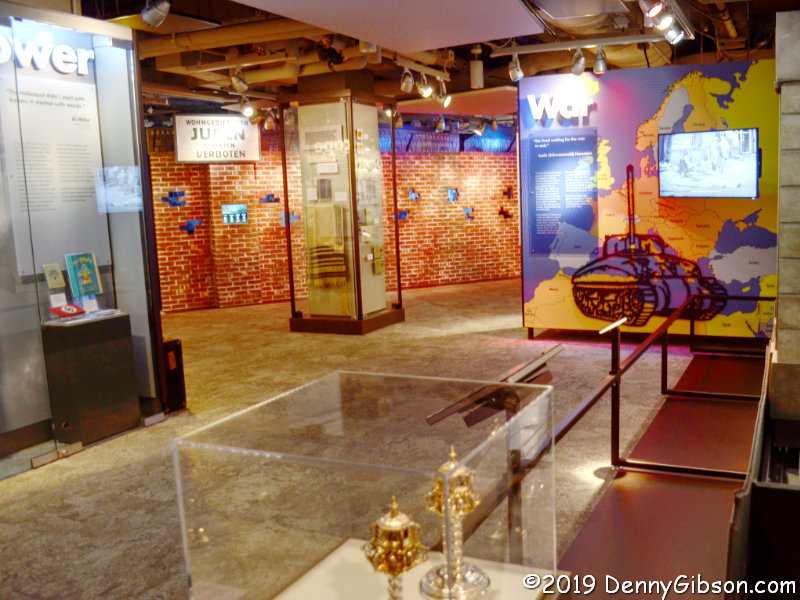
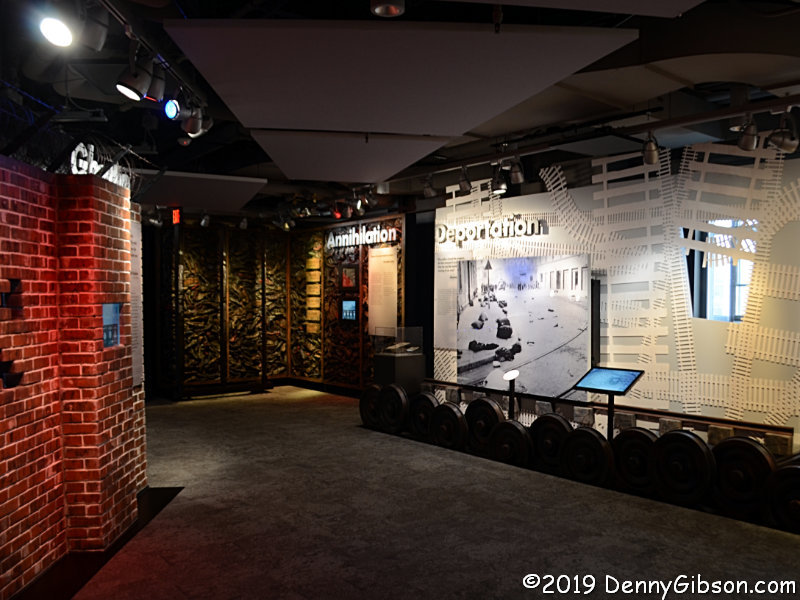
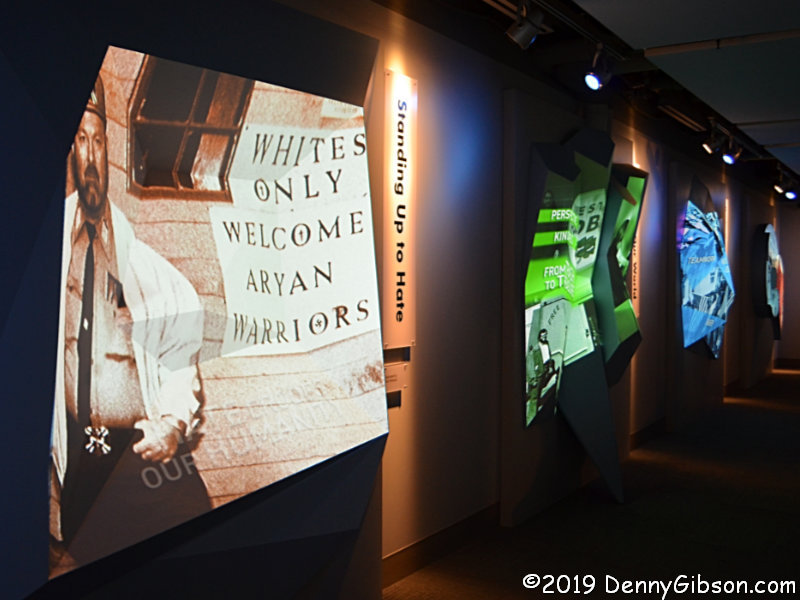
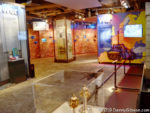 The first gallery beyond the “Winds of Change” theater begins with the story of the rise of Nazism. It’s a story of relatively small steps that go from Jews being valued members of their communities to their extermination being seen as a solution to something. The HHC utilizes two types of interactive exhibits. One uses touch screens to allow selection from a small set of recorded first-person accounts related to the display they are part of. The second uses sliding panels operated by push-buttons. This not only provides more surface area for images and text but also involves visitors ever so slightly. At first, I thought this was a little hokey, but I quickly became a fan. If you don’t press the button, you will miss out on something, and when you do press it, you’re kind of committed to studying what is revealed.
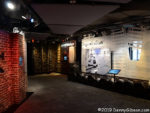
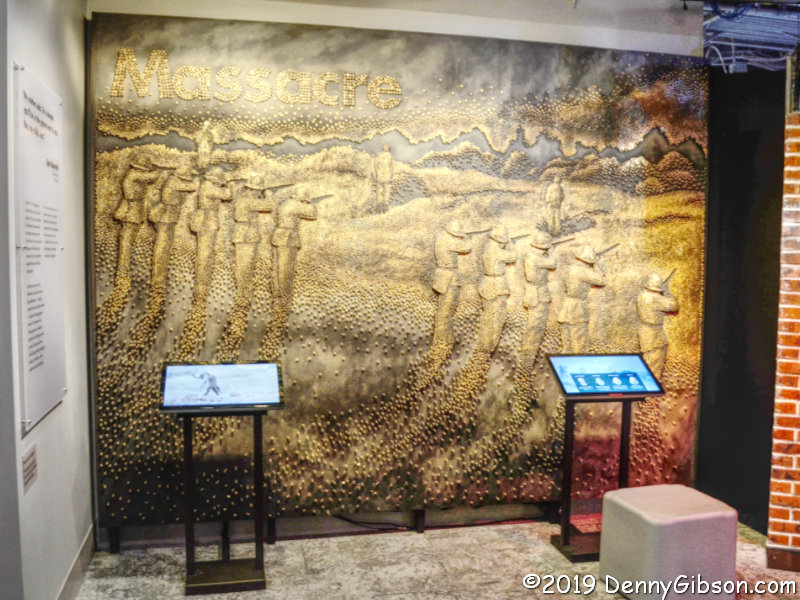
 In addition to the big mural, I believe that every description of the center I have seen mentions the bullet picture and the train window. The bullet picture is an image, reproduced with empty shell casings, of Jews being gunned down in a burial pit they had been forced to dig themselves. The train window is simply a window in the museum wall that opens onto the active tracks behind the building. Only a tiny bit of passenger traffic trickles through Union Terminal but freight traffic passing through the yard is quite significant. Visualizing human beings stuffed into box cars isn’t difficult.
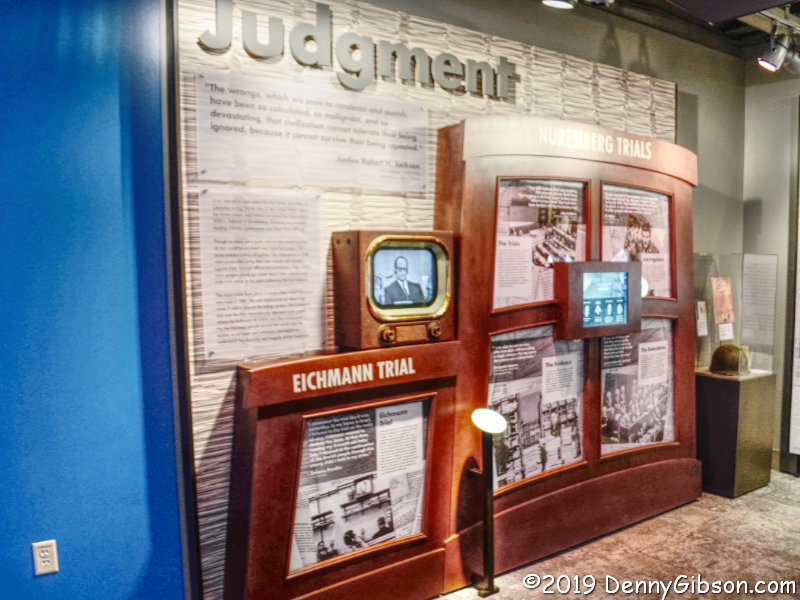
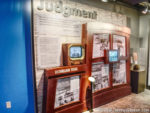 The aftermath of the holocaust is also examined. I was on the leading edge of the Baby Boomer generation. The war was over and the death camps liberated before I was born. Some of the war crimes trials occurred in my lifetime, but I certainly don’t remember them. However, I do remember seeing the movie Judgment at Nuremberg in a theater during its first run and same-day TV coverage of the Eichmann trial. This was in 1961, when the events they dealt with were less than twenty years in the past. The holocaust was just outside of my own memory, but was quite fresh in the memories of the adults in my world.
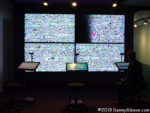
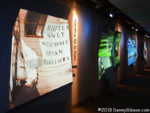
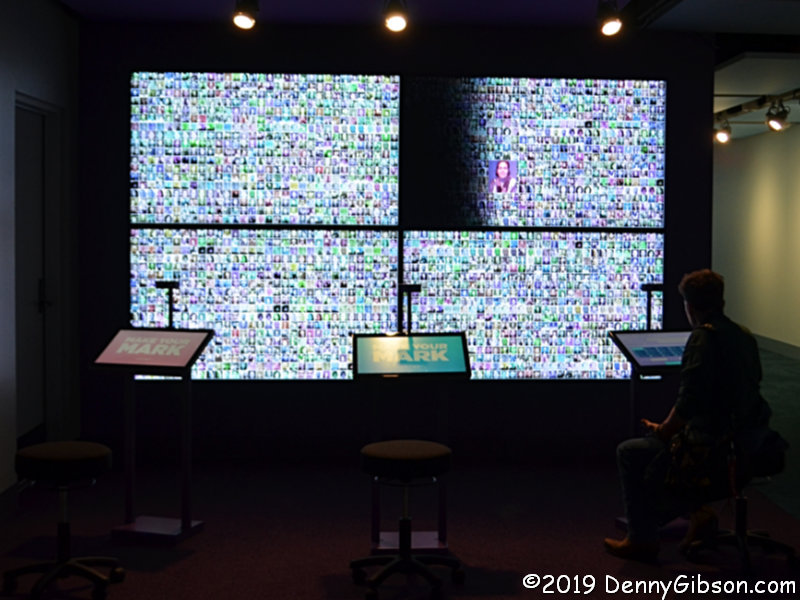
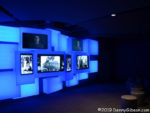 The “Points of Light” theater marks the end of the Holocaust Gallery and the beginning of the Humanity Gallery. From here on out, the exhibits deal more with today’s world. People called “upstanders” are identified, and their stories of resisting hate or doing something else to improve their part of the world are told. The last picture is of the “Make Your Mark Wall”. Visitors can leave their thoughts and impressions via the touch screens and add their selfie to the wall if desired. On the day I was there, a portion of one of the large screens was blacked out, but I’m guessing that was just from someone leaving their coffee in front of a projector or something similar.
The Nancy & David Wolf Holocaust & Humanities Center is an impressive and welcome addition to the Cincinnati Museum Center. I entered the “Winds of Change” theater by myself, but took my time going through the galleries, and found myself in the presence of several other visitors by the time I exited the museum. Even so, I know I need to go back. It is really impossible not to see similarities between the increasing hatred seen in some corners today and some of the events described in the center. The centers’ creators were certainly aware of these similarities, and I don’t doubt helped make them more apparent here and there. That sure doesn’t seem like a bad thing to me.
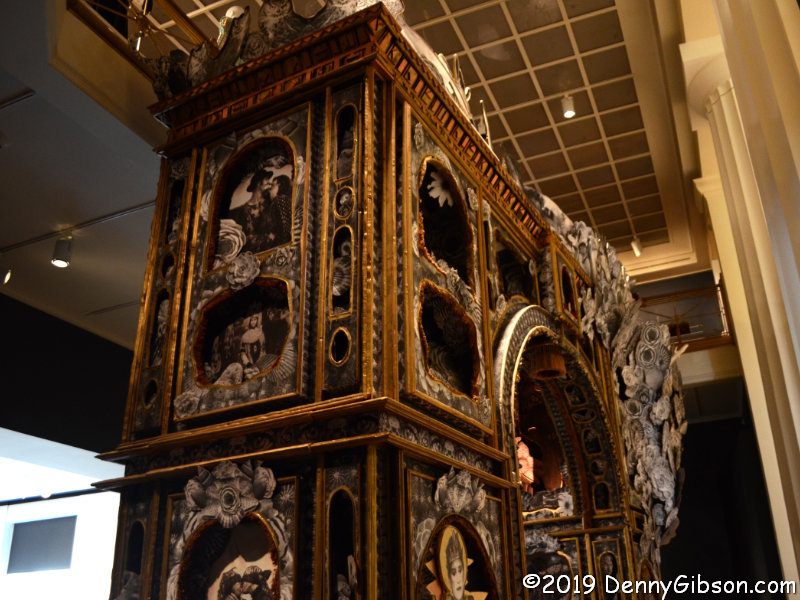
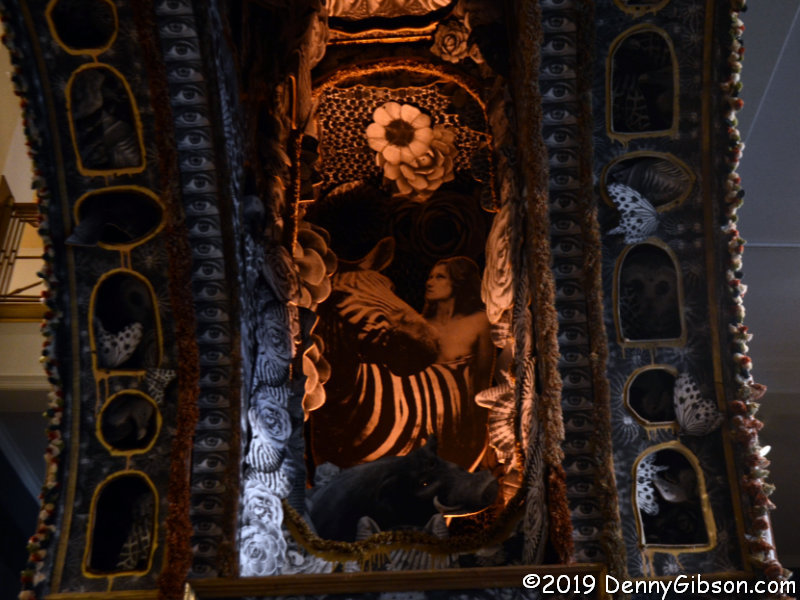
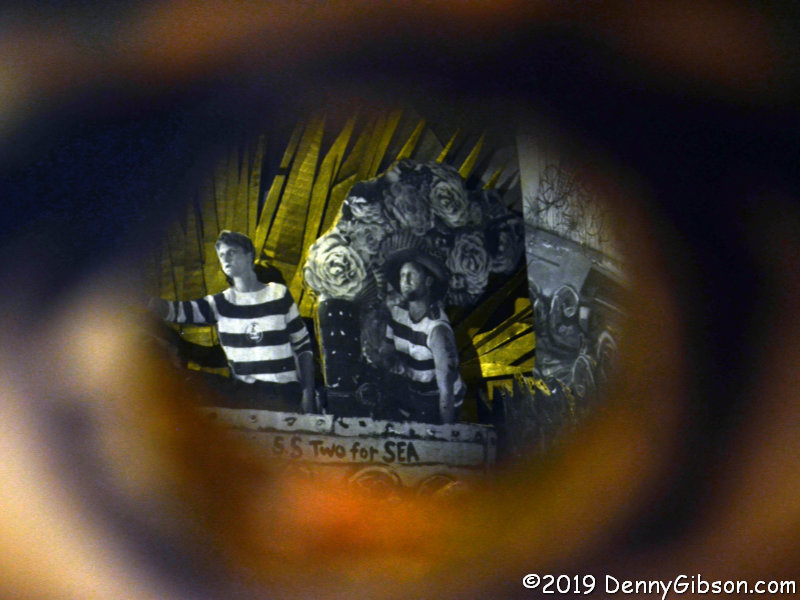
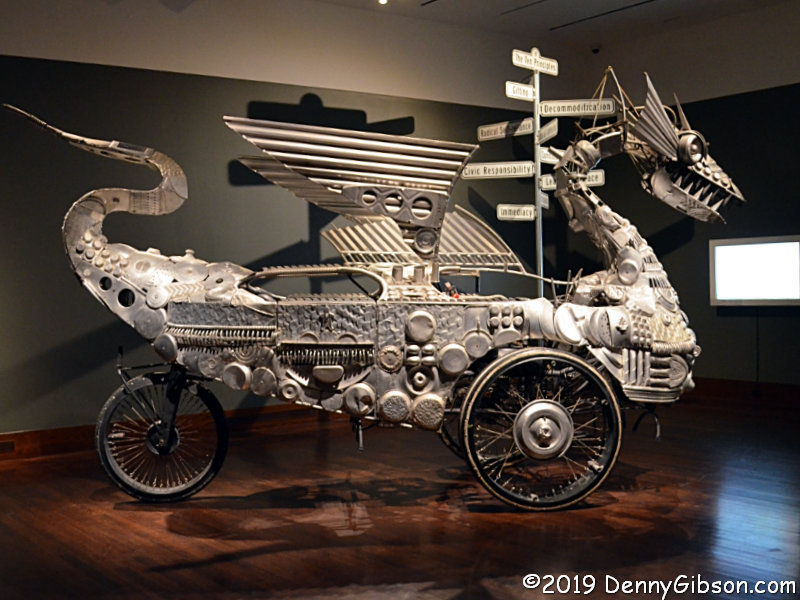
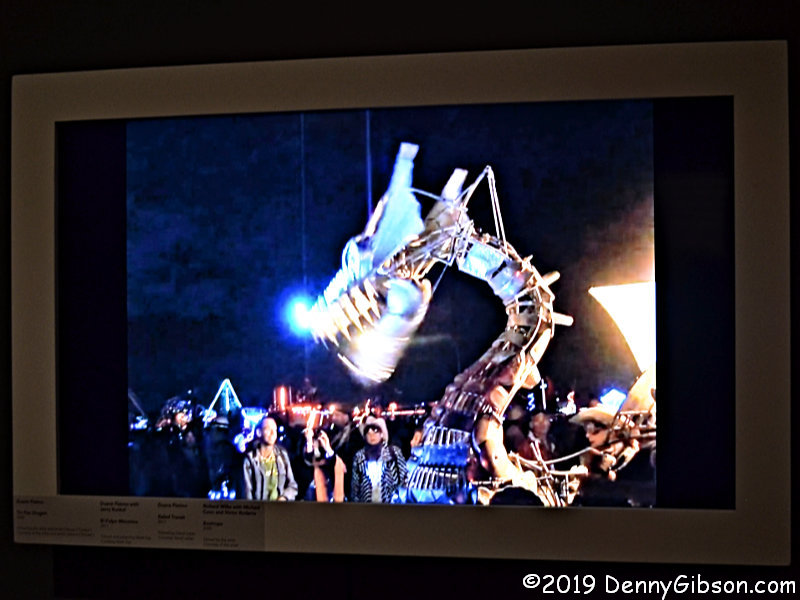
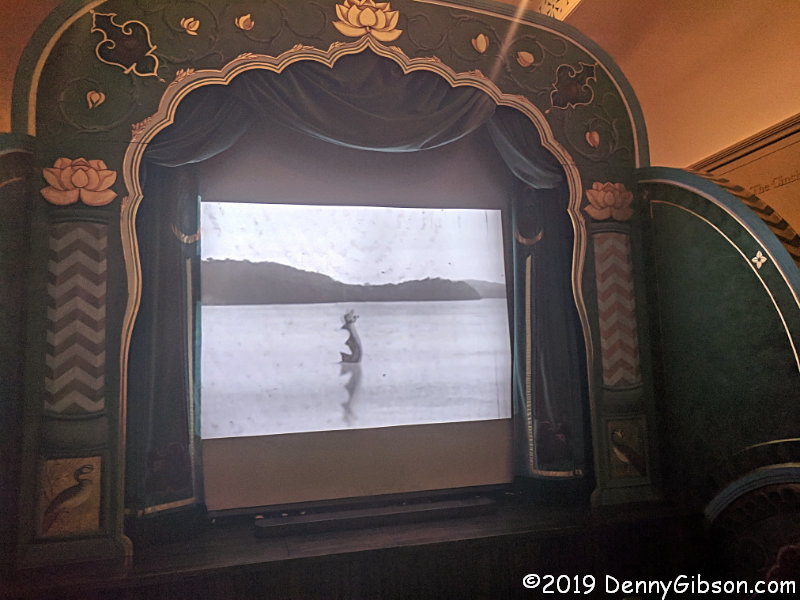
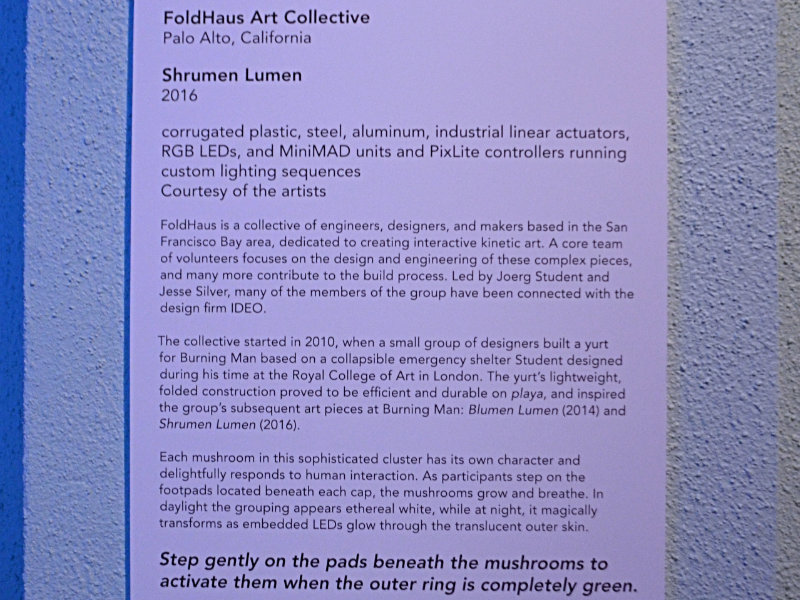
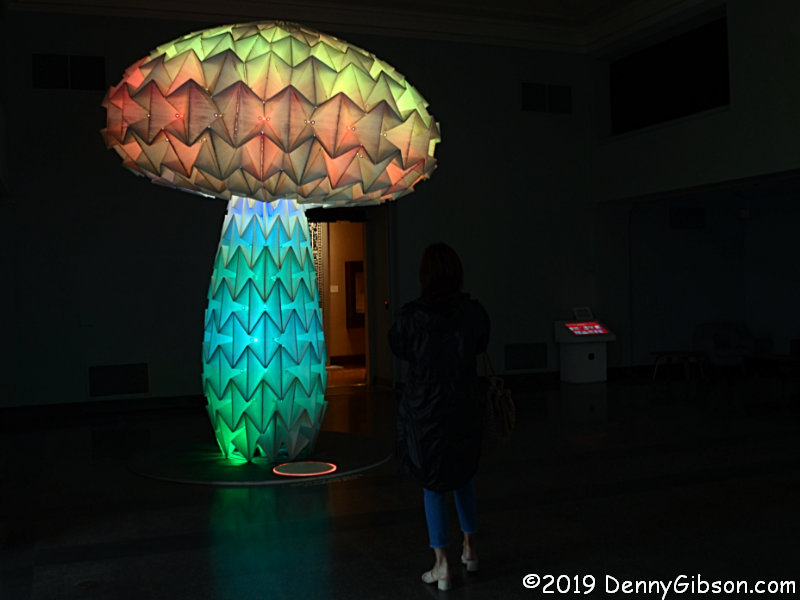
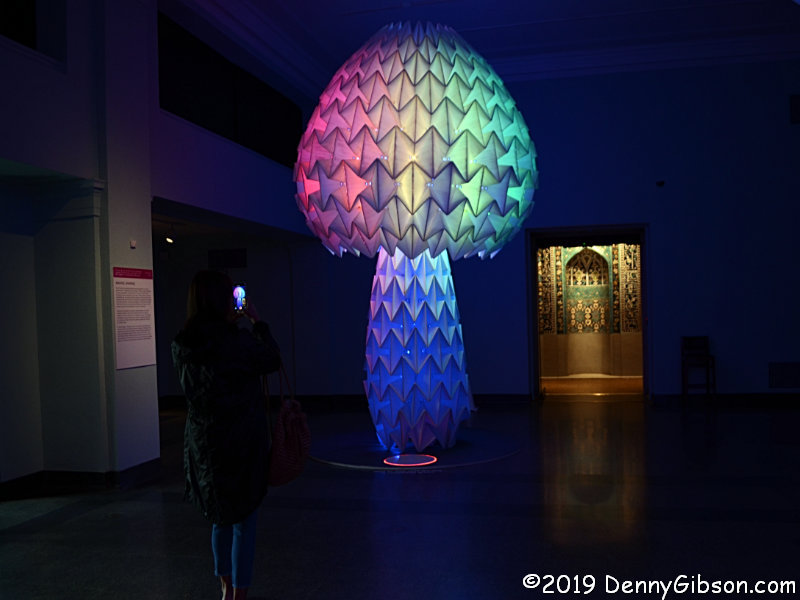
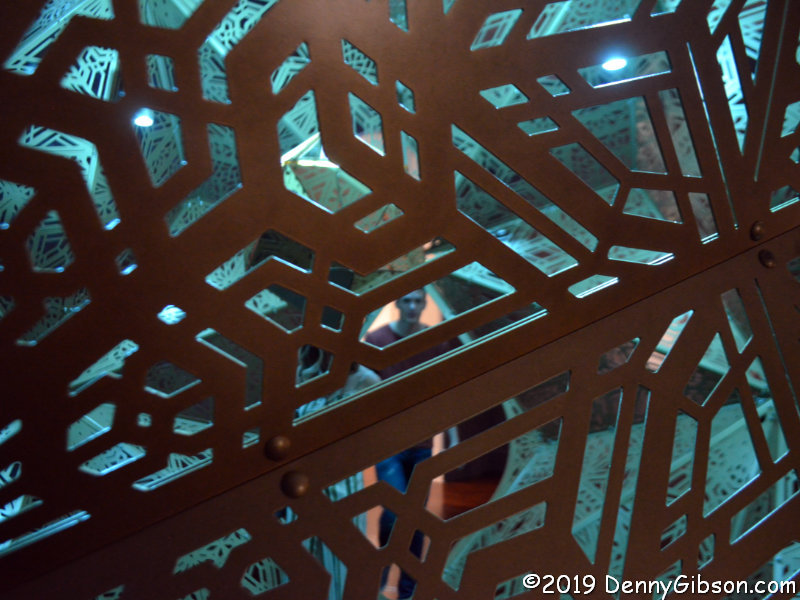
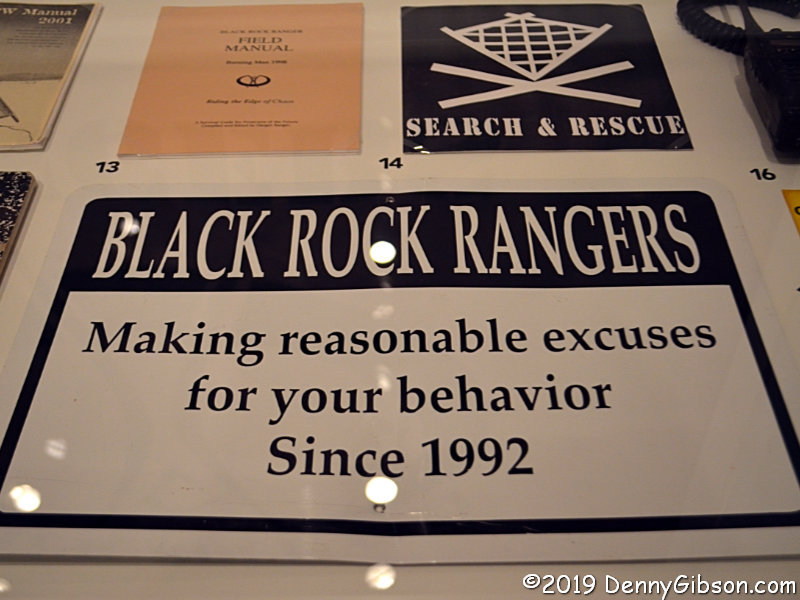
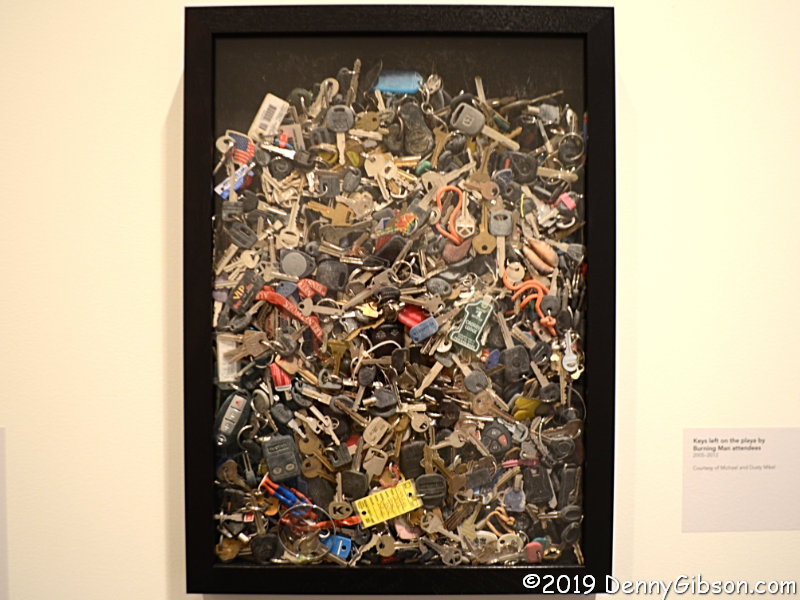
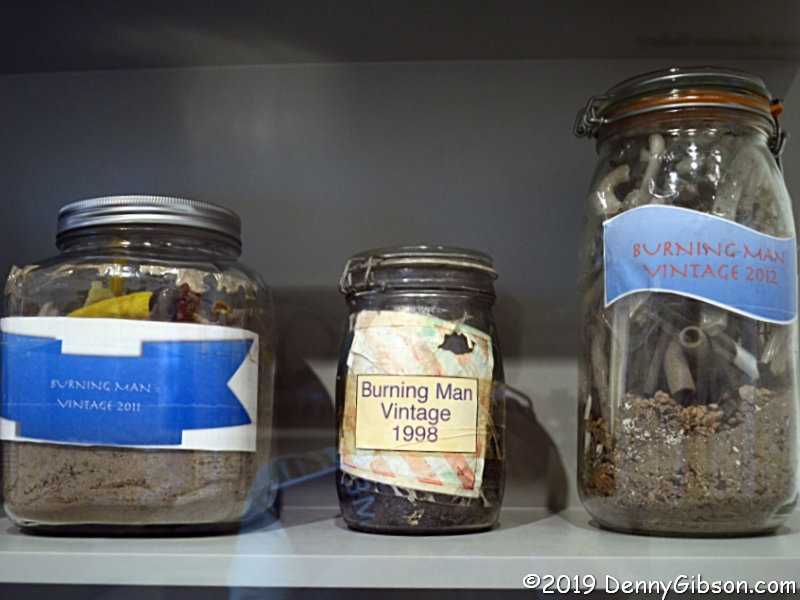
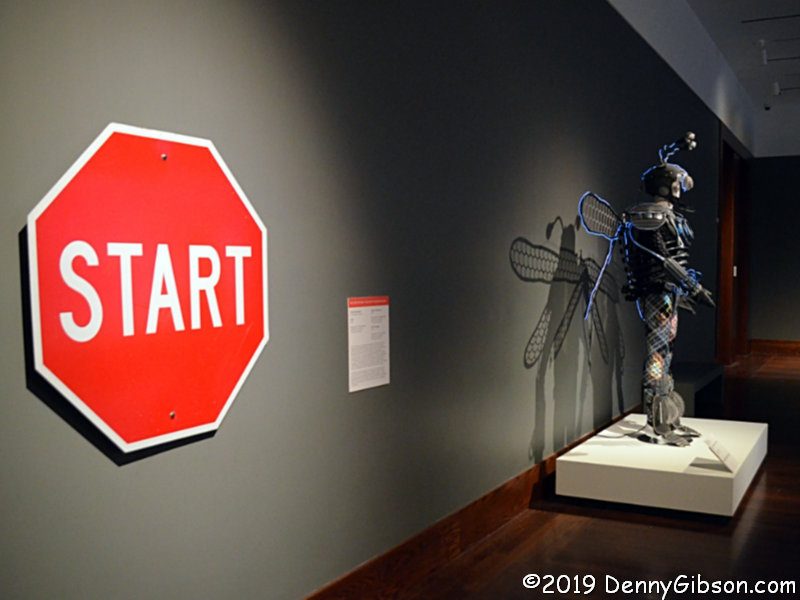
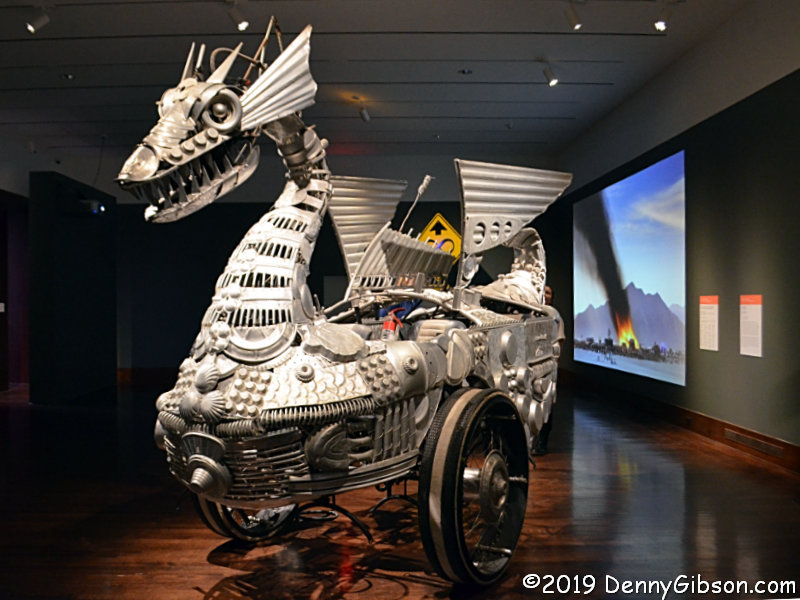
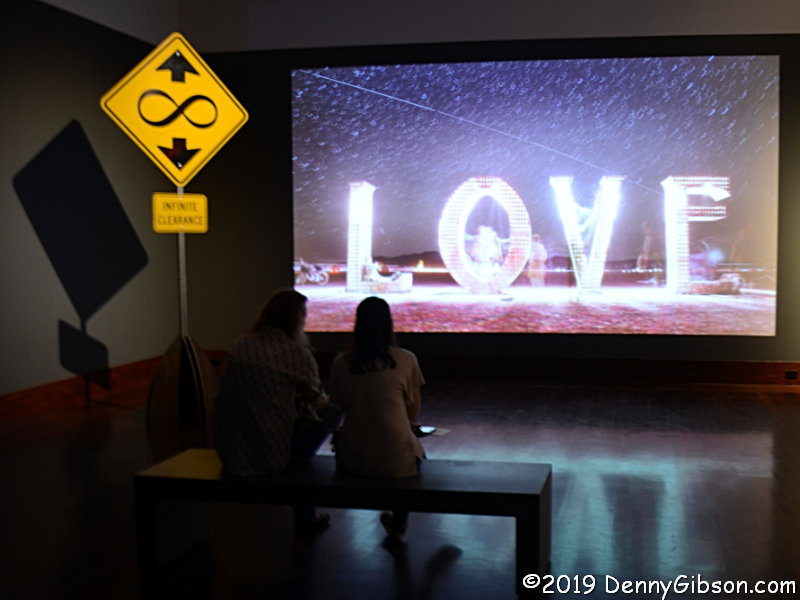
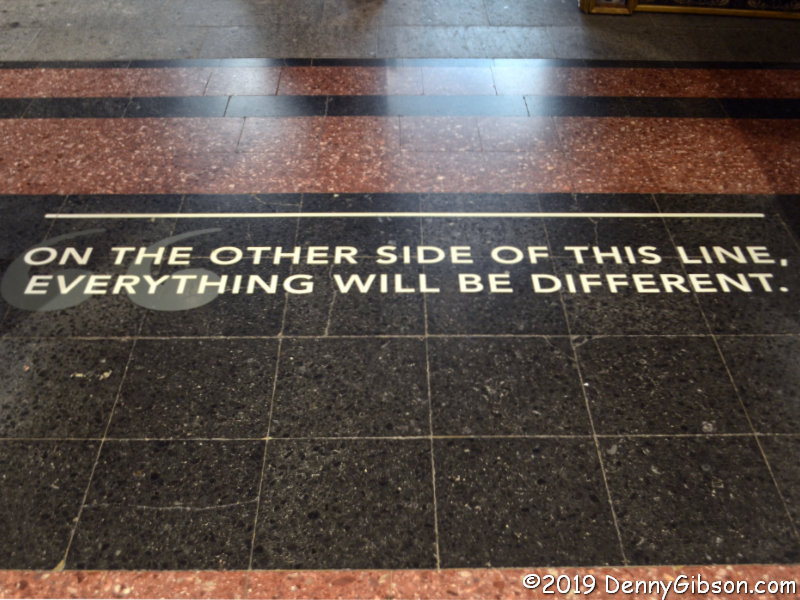 I visited Phase 1 of the Cincinnati Art Museum’s Burning Man exhibit about two weeks after it opened (Burning Man at CAM). It took me more than a month, however, to take in Phase 2. Phase 2 adds three galleries to “No Spectators: The Art of Burning Man” while leaving everything that was part of the first phase in place. The pictured quote — and line — went unnoticed on that earlier visit although they were certainly there. I was probably looking only at the structure that stands above the line. It represents the Burning Man Temple which, like the man itself, is turned to ashes before the festival ends. It’s a fraction of the size of the real temple but is still much too large to fit into my lens inside the museum. Here are shots of the top half, of one of the panels, and through one of the peepholes.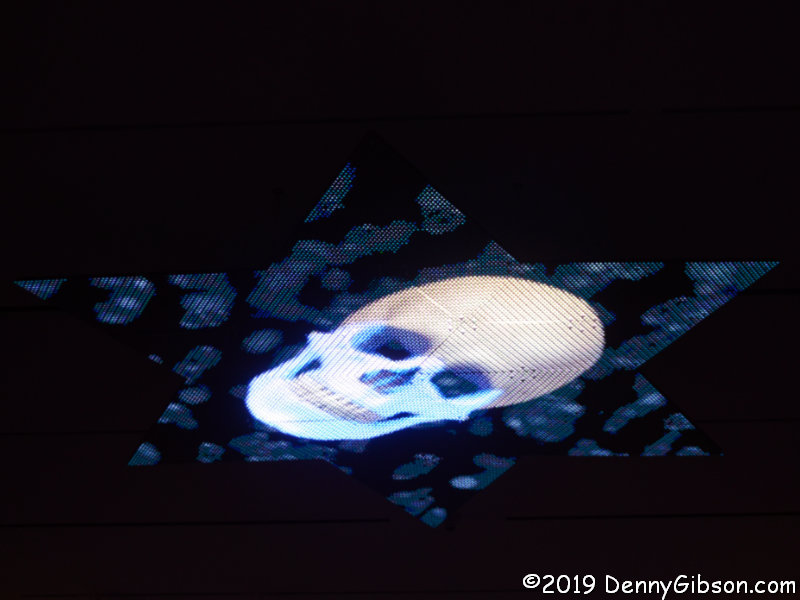
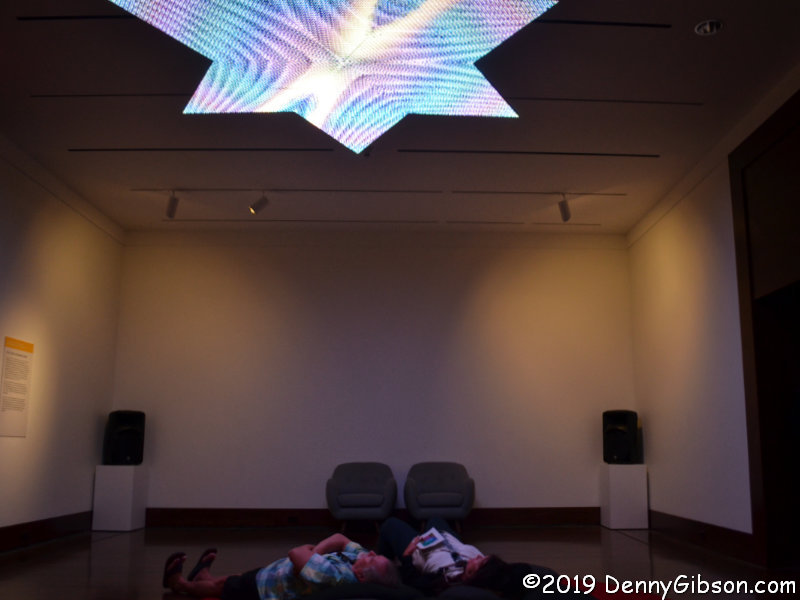
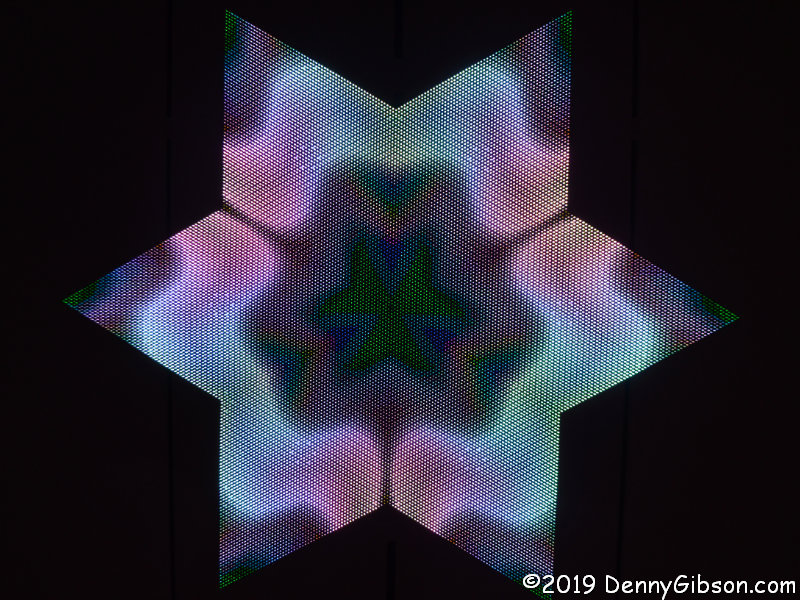 Christopher Schardt’s Nova was actually part of Phase 1 but, like the line at the entrance, I somehow missed it on my visit in May. Images in the ceiling-mounted LED panel are coordinated with classical music. The last photo was taken while I lay on the floor. I kind of wish I had waited for the skull to come around again.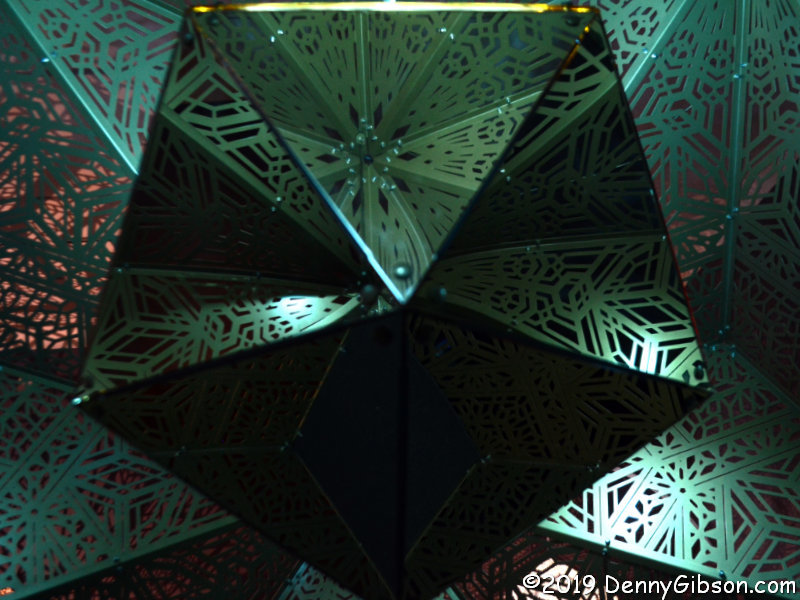
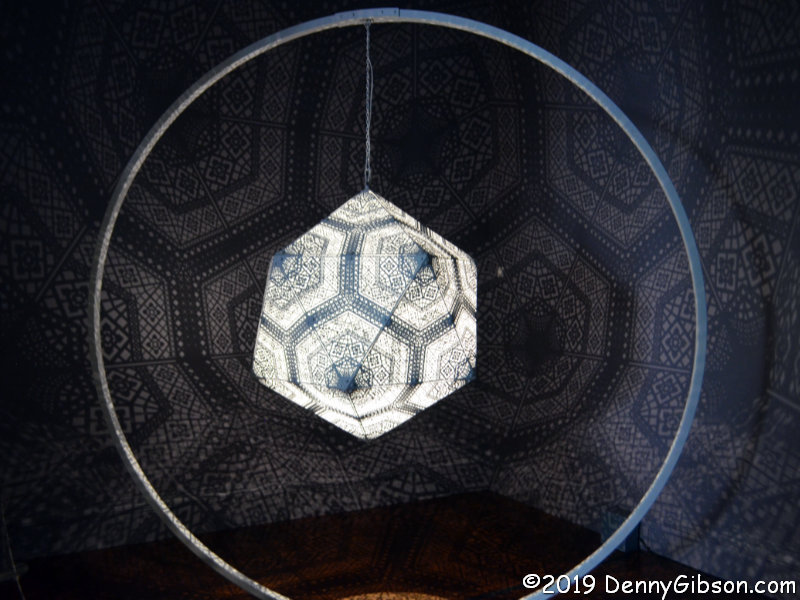
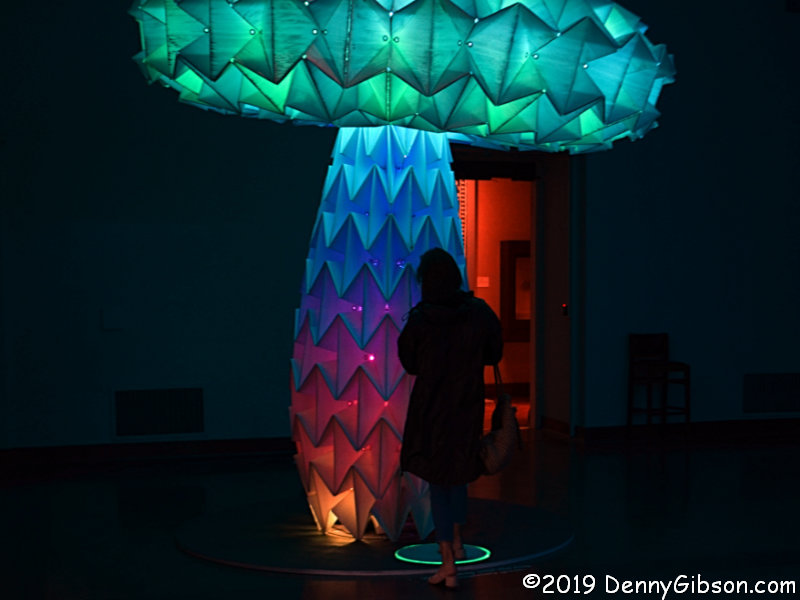
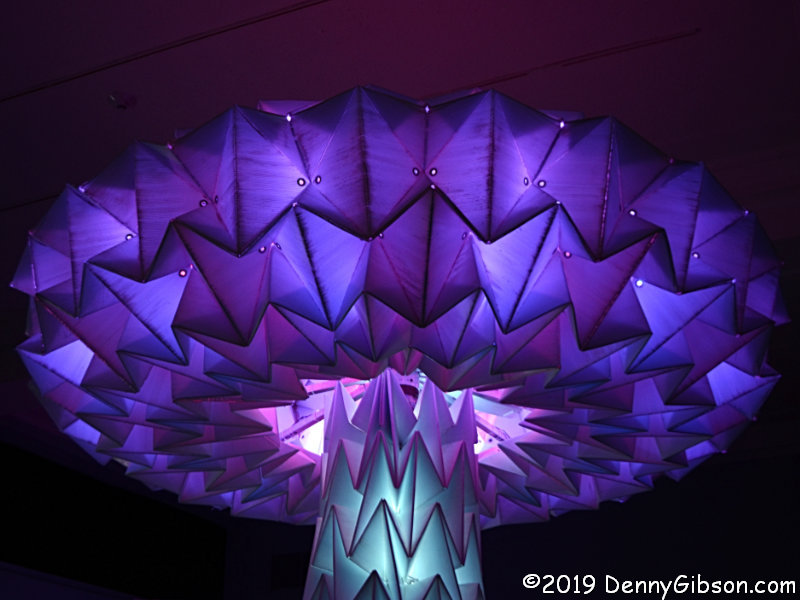
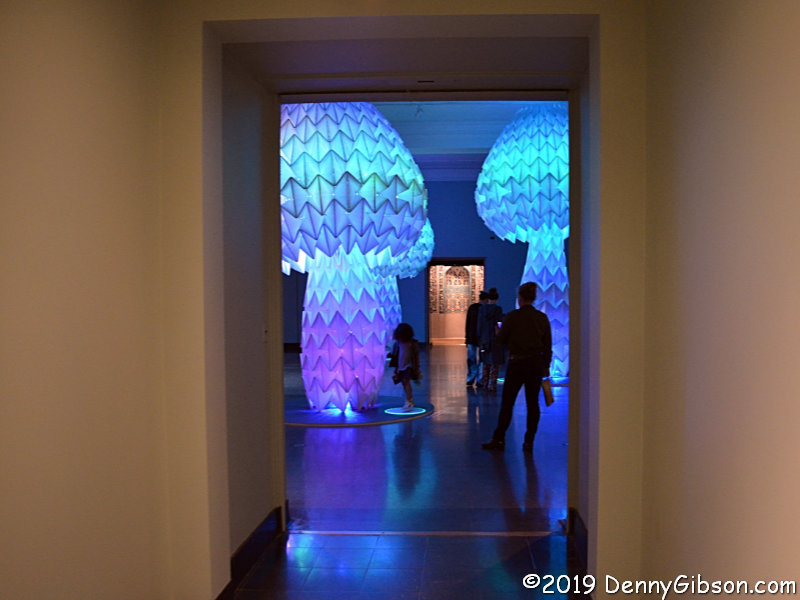
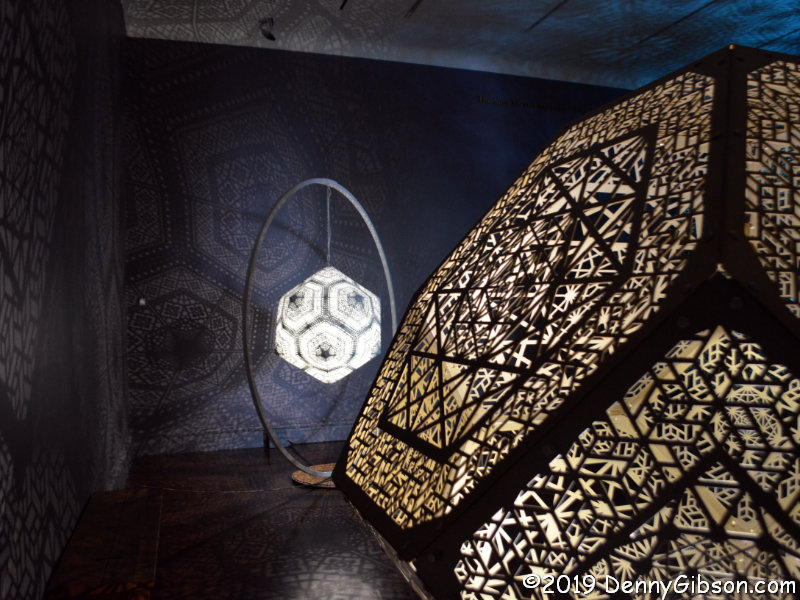 One of the galleries added for Phase 2 is filled with three polyhedral sculptures from Yelena Filipchik and Serge Beaulieu. There’s a direct view of the suspended polyhedron here. One of the sculptures, with yet another polyhedron inside, can be entered.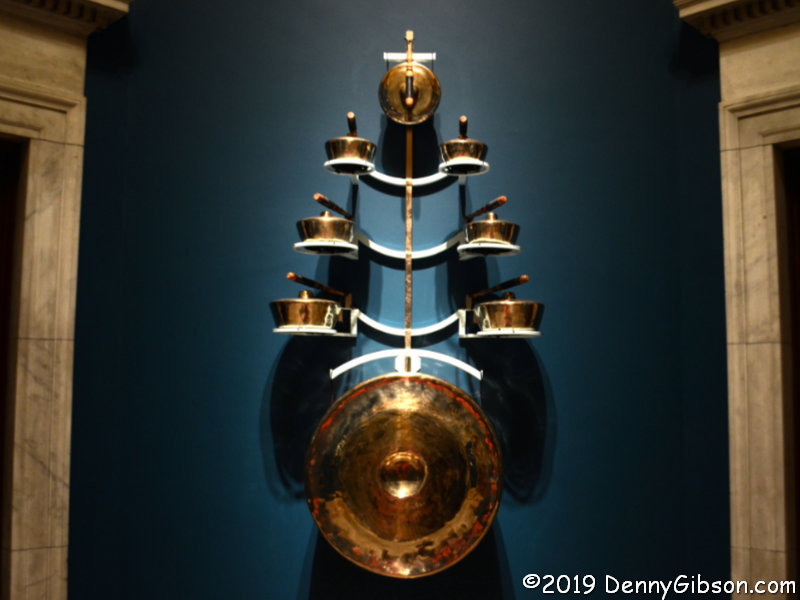
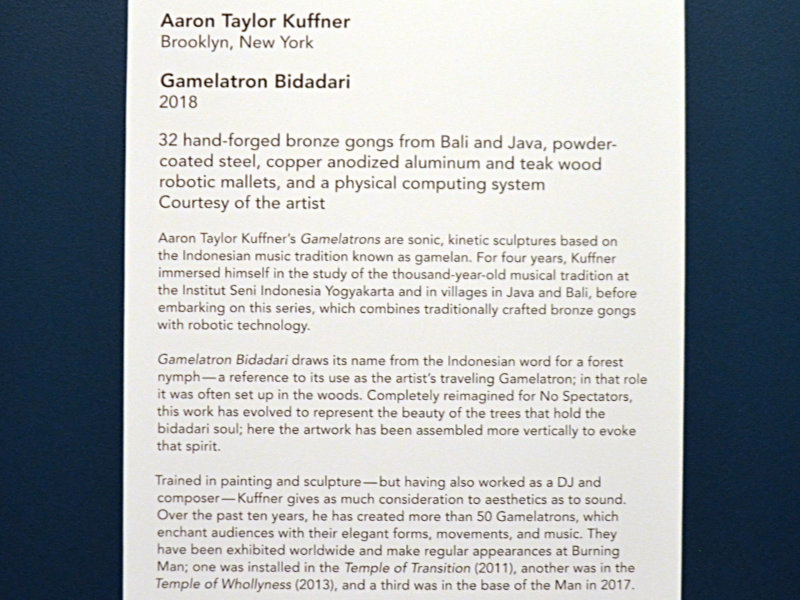
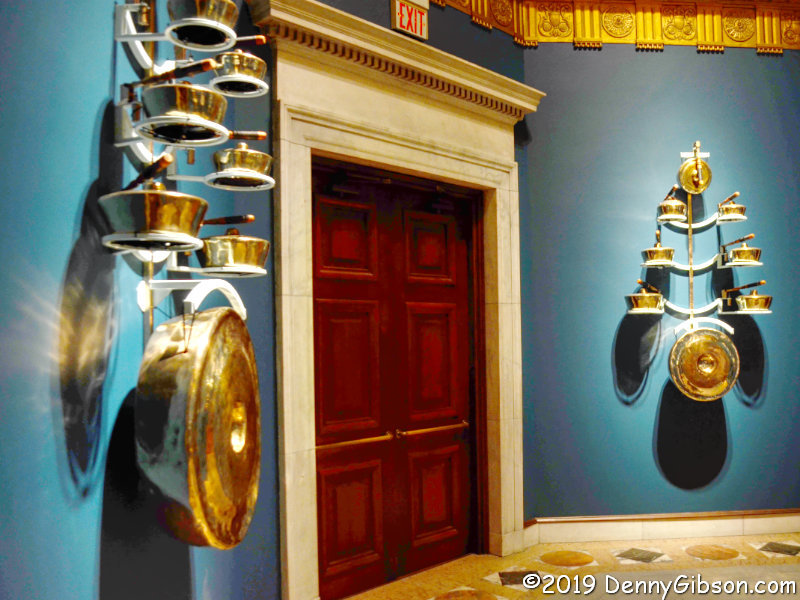
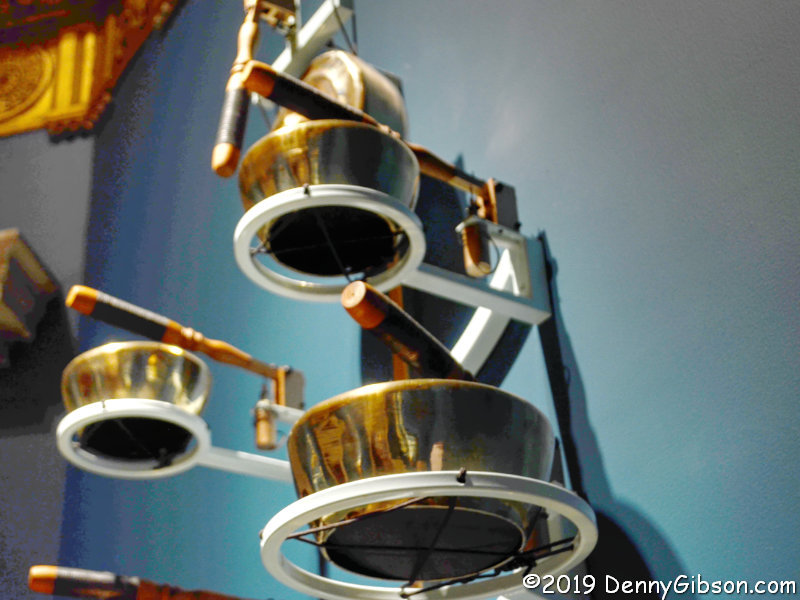
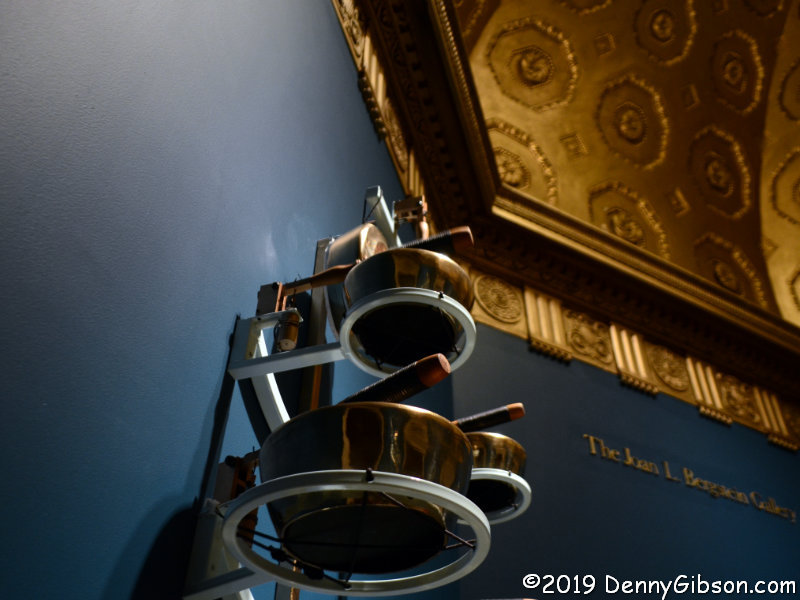 This is a part of Phase 1 that I definitely did not miss. In fact, I ended that first post with a promise “to listen to those gongs some more.” I very much kept my promise and am now pretty much convinced that living inside Gamelatron Bidadari would make me a nicer person.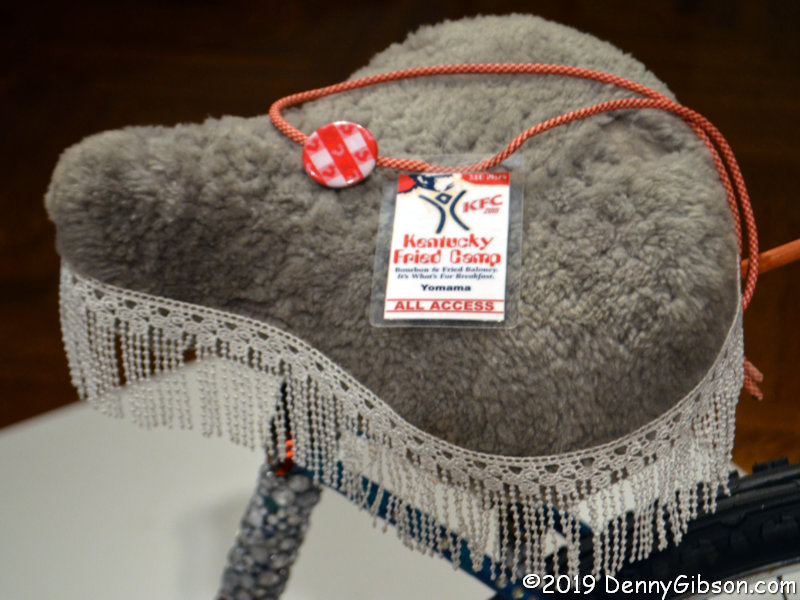
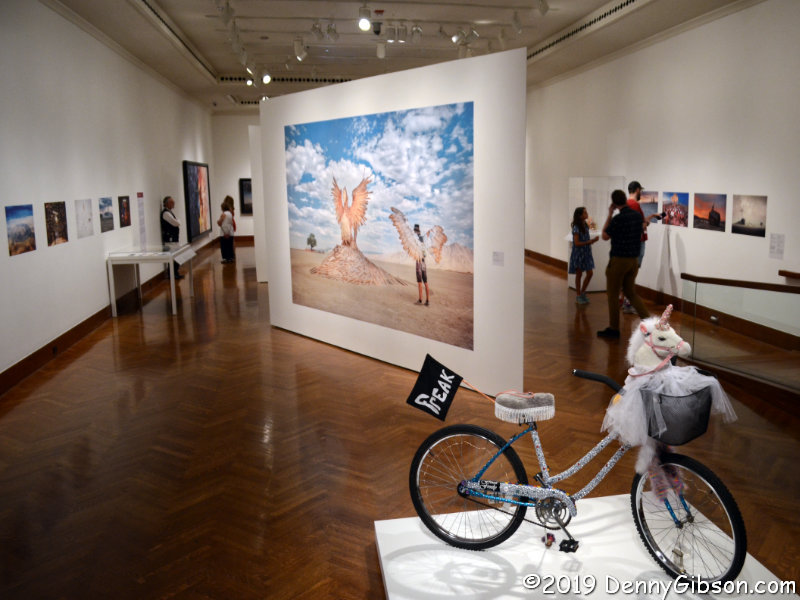 This is the largest of the Phase 2 additions. It consists mostly of two-dimensional art including photographs. I took the picture of the bicycle seat primarily to show the tag but I didn’t do a very good job. It is slightly more readable here.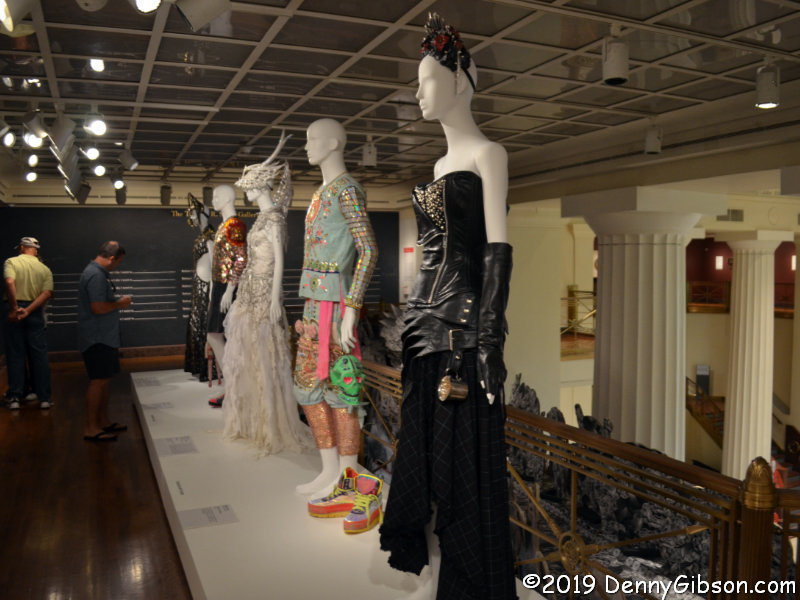
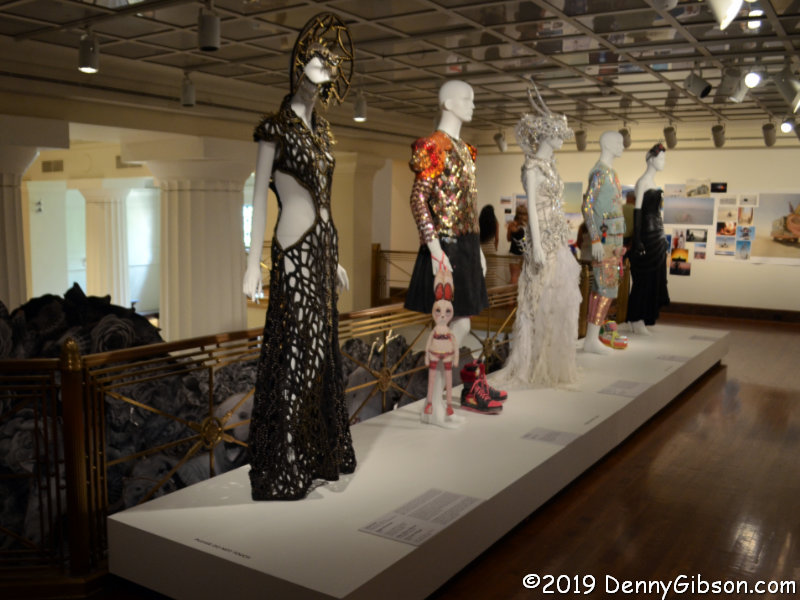
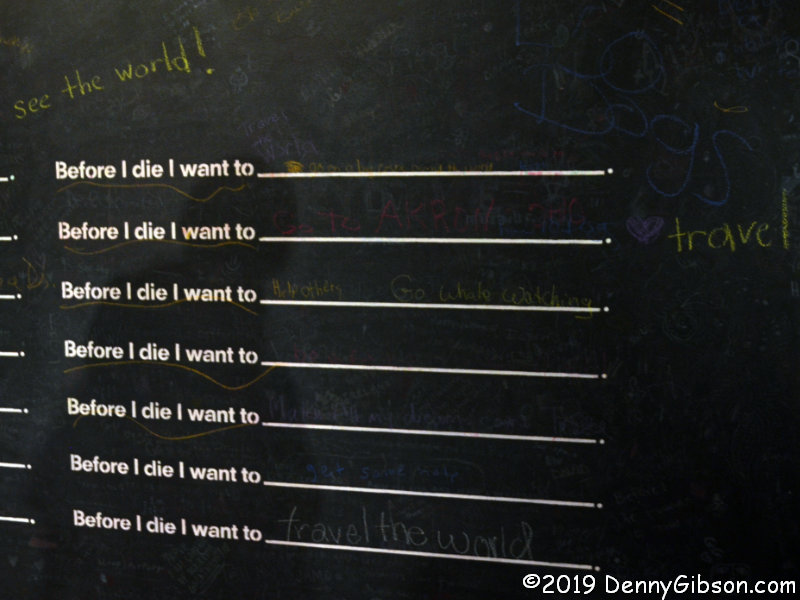
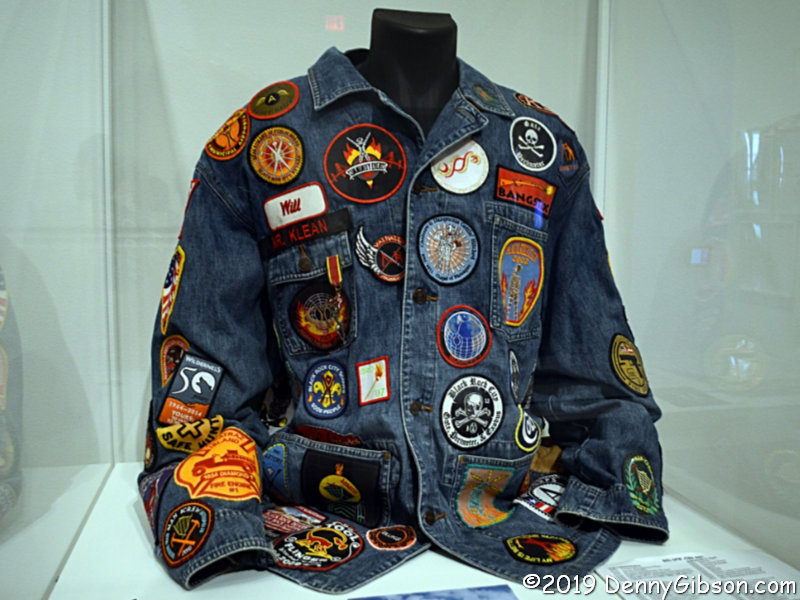
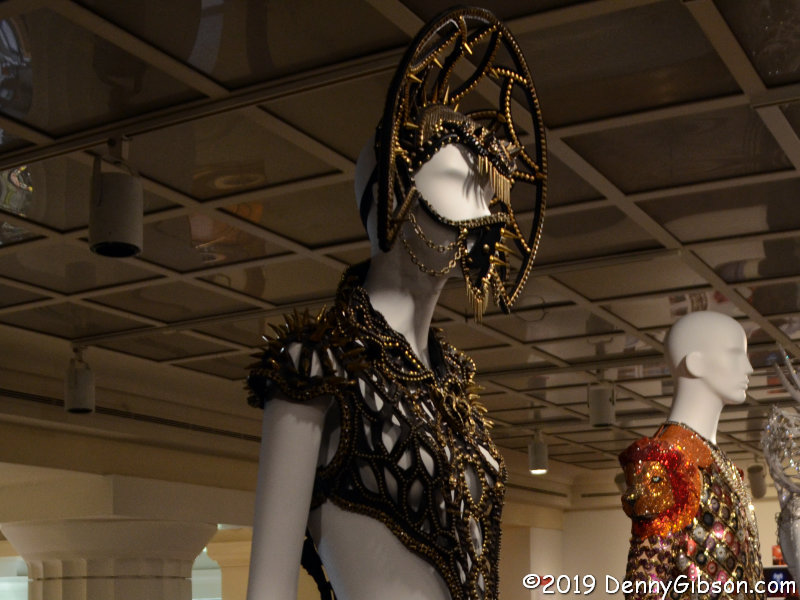 The third Phase 2 gallery is the balcony above the temple replica and the museum’s main entrance. The central space is filled with clothing created for and worn at Burning Man. Photographs showing the many aspects of Burning Man fill most of the wall space but some of that space holds Candy Chang “Before I die…” chalkboards. Apparently, more than 4000 of these have been erected around the world giving people an opportunity to “pick up a piece of chalk, reflect on death and life, and share their personal aspirations in public.” Some truly deep and personal thoughts have appeared on the walls and the Cincinnati board contains some noble sentiments such as “Help others” and some fairly modest goals like “Go whale watching”, but “Travel” is a very common theme. Pay attention, people.
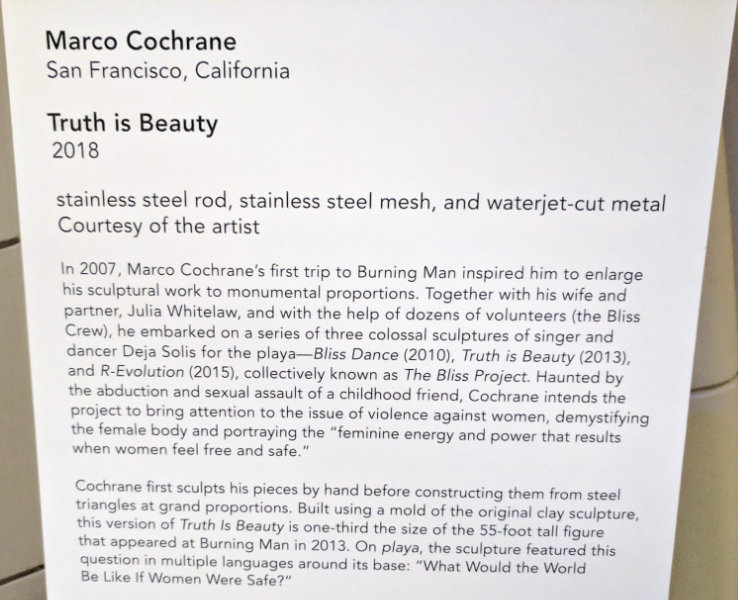
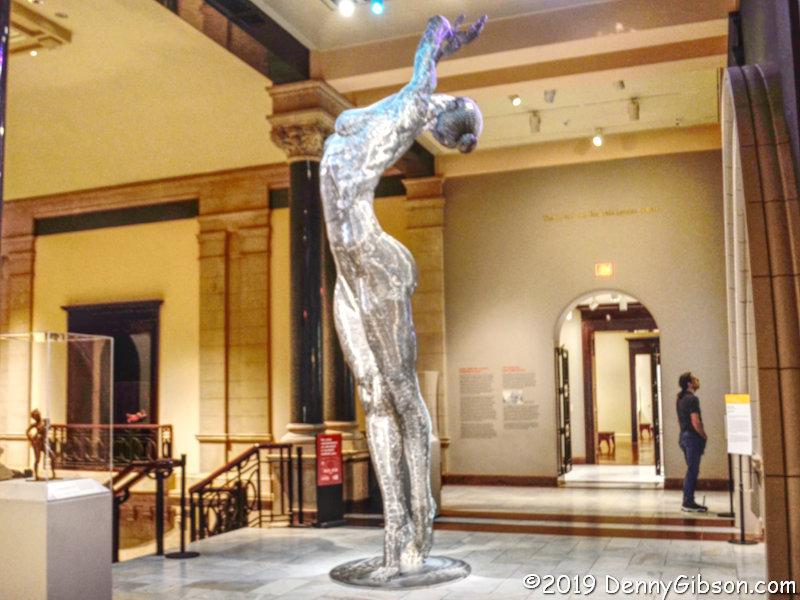
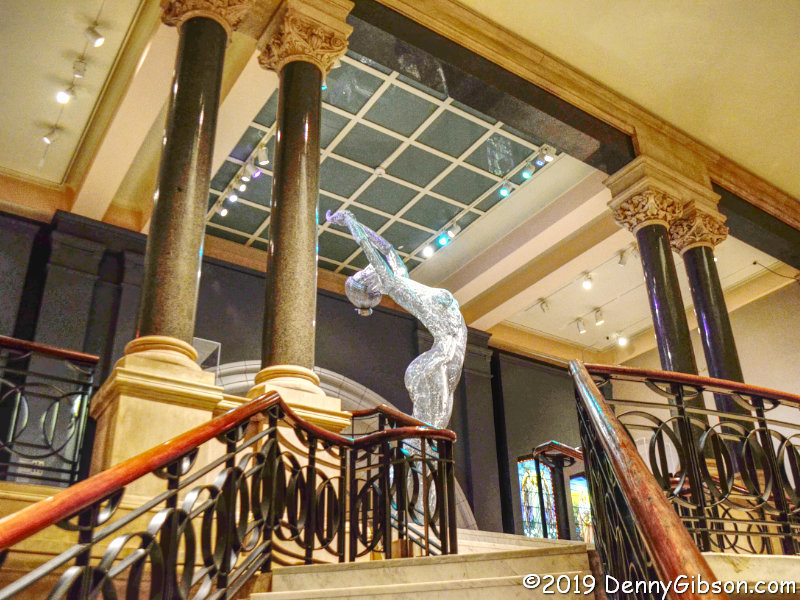
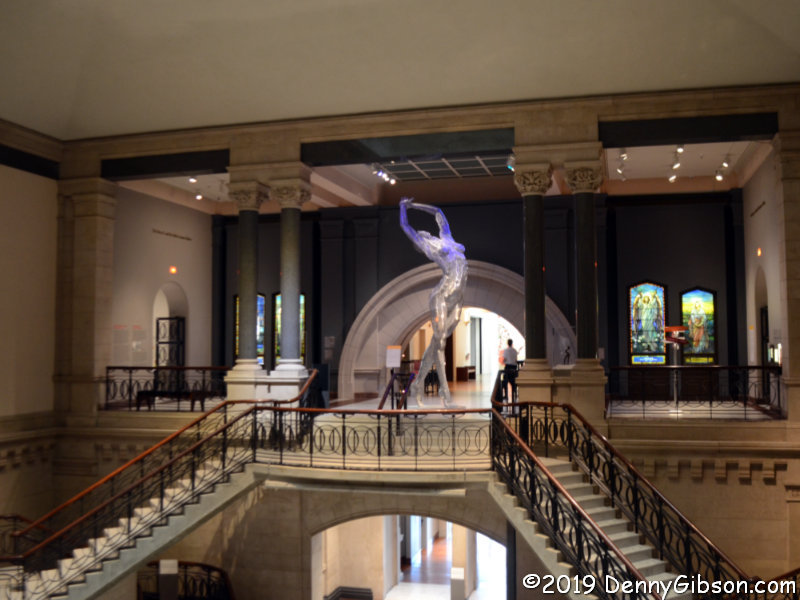 My post on Phase 1 opened with a photo of the smallish Truth is Beauty standing above the museum’s Great Hall. This one is closing with a photo of it taken from the balcony across the way. There are pictures on display that show the original 55-foot sculpture at Burning Man with no roofs or walls penning it in. It’s obvious that seeing this one third scale copy in climate-controlled comfort is a very poor substitute. I’m guessing that seeing reproductions of or even some of the actual pieces that were once part of Burning Man is just about as much like the experience of being there as my tapping on the steering wheel is like manning the riser behind Mick and Keith at Wembley Stadium. But it’s as close as I’m likely to get. I’ll take it.

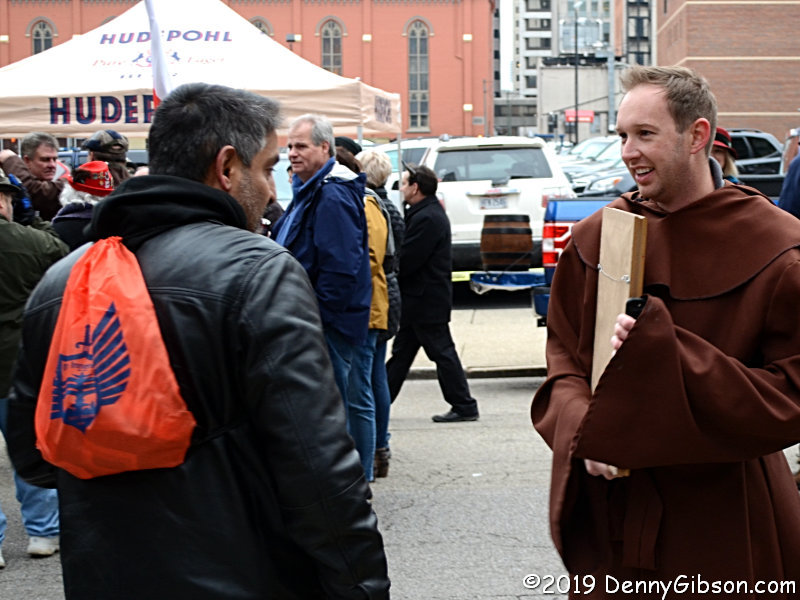
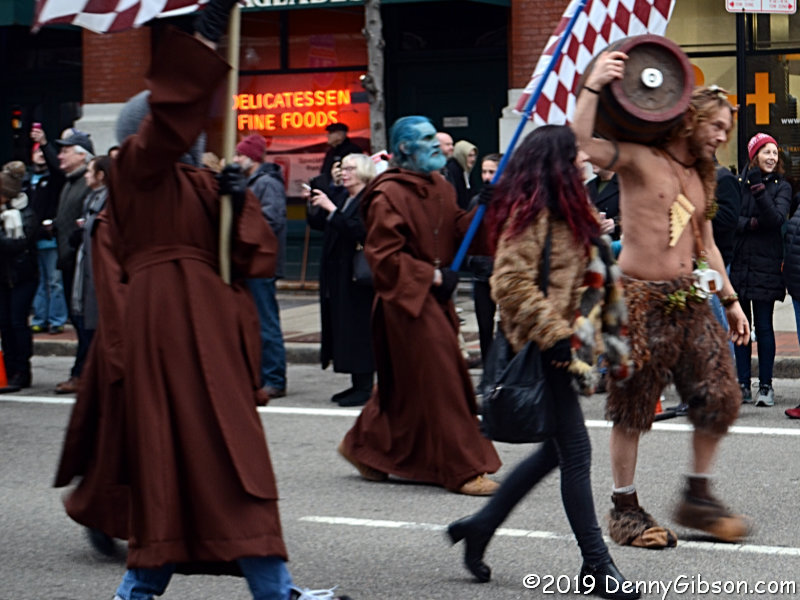
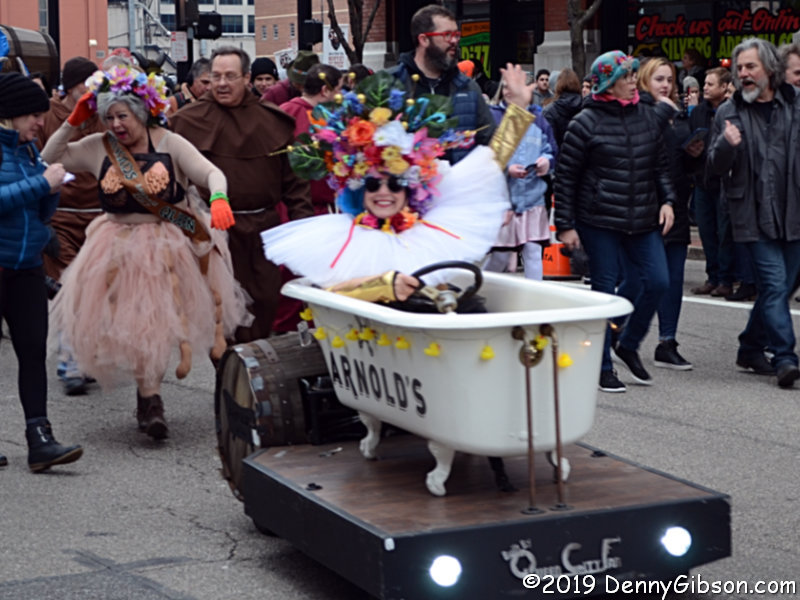
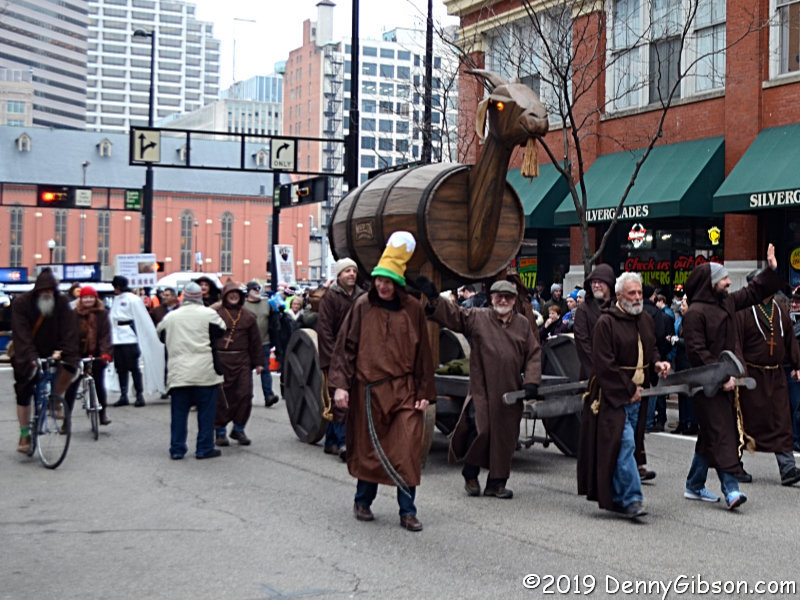
 I’m embarrassed, angry, and disappointed. I missed the 2019 Findlay Market Opening Day Parade. I was close but no cigar. More accurately, no parking place. I left home slightly before 10:00. Traffic was a little heavy on the expressway but not really an issue. I was where I wanted to be around 10:30. It’s a spot a few blocks from the parade start point where I intended to grab a breakfast sandwich before walking to and strolling around the parade staging area.